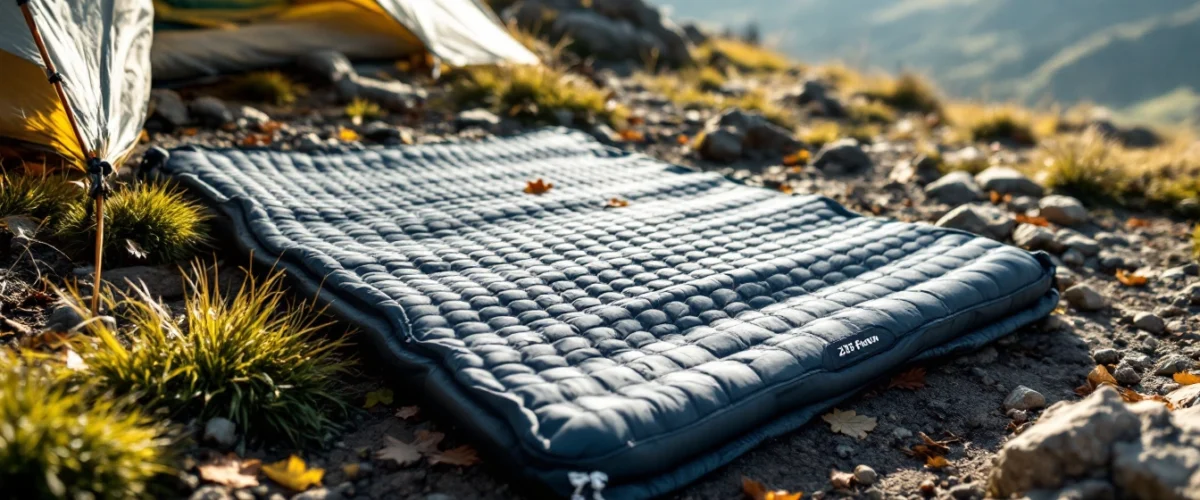
You don’t really think about your sleeping pad—until 5 a.m., when the cold ground steals the last bit of warmth from your bag and your hip finds a rock you somehow missed. I’ve been there. The difference between a good trip and a long night often comes down to a few inches of insulation and a pad that packs small enough to fit your plan. In these compact sleeping pad reviews, I’ll break down what actually matters in the field and combine it with a practical Lightweight sleeping pad guide so you can choose based on terrain, season, and pack space—not marketing claims.
Table of Contents
- Why Compact Sleeping Pads Matter in 2026
- Lightweight Sleeping Pad Guide – How to Choose the Right One
- Compact Sleeping Pad Reviews 2026 – Top Categories Compared
- Real-World Performance: Field Testing Insights
- Durability, Safety & Cold-Weather Considerations
- Cost vs. Value: What Are You Really Paying For?
Why Compact Sleeping Pads Matter in 2026
Packs are getting lighter, trips are getting longer, and campsite options are sometimes rougher than we’d like. A compact sleeping pad doesn’t just shave ounces—it changes how you pack, how you move, and how well you recover overnight.
Pack Volume vs. Base Weight: What Actually Changes Your Hike
Saving 5 ounces feels good on paper. Saving a liter of pack space can feel even better on the trail. Volume affects how tightly you have to cram your gear, whether your food bag fits inside, and whether you can keep everything protected from rain.
Before upgrading, open your fully loaded backpack. Is there unused space above your food and insulation layers? If yes, shaving grams may matter more than shrinking size. If you’re strapping gear to the outside, compactness should move higher on your list.
How Campsite Conditions Influence Pad Choice
Rocky desert sites, wooden tent platforms in alpine zones, damp forest duff—each demands something different. On uneven ground, a slightly thicker inflatable can smooth out pressure points. On hard-packed tent pads, insulation becomes the priority, especially when temperatures dip overnight.
When camping in U.S. parks, it’s smart to review the National Park Service camping safety guidance for site-specific considerations. Ground conditions and seasonal weather shift quickly, particularly at elevation.
When Compact Is Not the Priority
If you’re car camping or walking 200 yards from the parking area, comfort usually wins. A thicker, wider lightweight camping mattress might mean better sleep with almost no downside. In that case, packed size is less critical than thickness and durability.
Lightweight Sleeping Pad Guide – How to Choose the Right One
Think of this section as your decision filter. Instead of asking, “What’s the best compact sleeping pad?” ask, “What does my trip demand?” For side-by-side comparisons and top-rated models, see the best lightweight sleeping pads 2026 stunning comfort guide.
R-Value Explained in Plain Terms
R-value measures resistance to heat loss into the ground. Cold air is uncomfortable; cold ground is relentless. Even on a mild evening, the earth beneath you can pull warmth away for hours.
For many 3-season trips, backpackers look for moderate R-values that balance insulation and weight. Shoulder-season or alpine environments call for more. Always check expected overnight lows and review seasonal safety advice, such as the National Park Service winter safety resources, if traveling in colder conditions.
Quick field cue: if frost is common in the forecast, don’t gamble on a minimal pad. Add insulation beneath you before you add ounces elsewhere.
Inflatable vs. Closed-Cell Foam vs. Hybrid
Inflatable sleeping pad: Packs small, often thicker, adjustable firmness. Vulnerable to punctures.
Closed-cell foam: Nearly indestructible, works even if soaked, but bulkier and thinner.
Hybrid systems: Foam combined with air or reflective layers for warmth and redundancy.
Mistake to avoid: assuming inflatable automatically means warmer. Some ultralight air pads achieve low weight by sacrificing insulation. Check the R-value, not just the shape.
Thickness, Shape & Sleep Position
Side sleeper? You’ll likely want more thickness to keep hips off the ground. Back sleeper on soft forest duff? You can sometimes go thinner.
Test at home. Inflate fully, lie on your side, and shift your weight. If you feel the floor through your hip bone indoors, it will feel worse on compacted soil outside.
Compact Sleeping Pad Reviews 2026 – Top Categories Compared
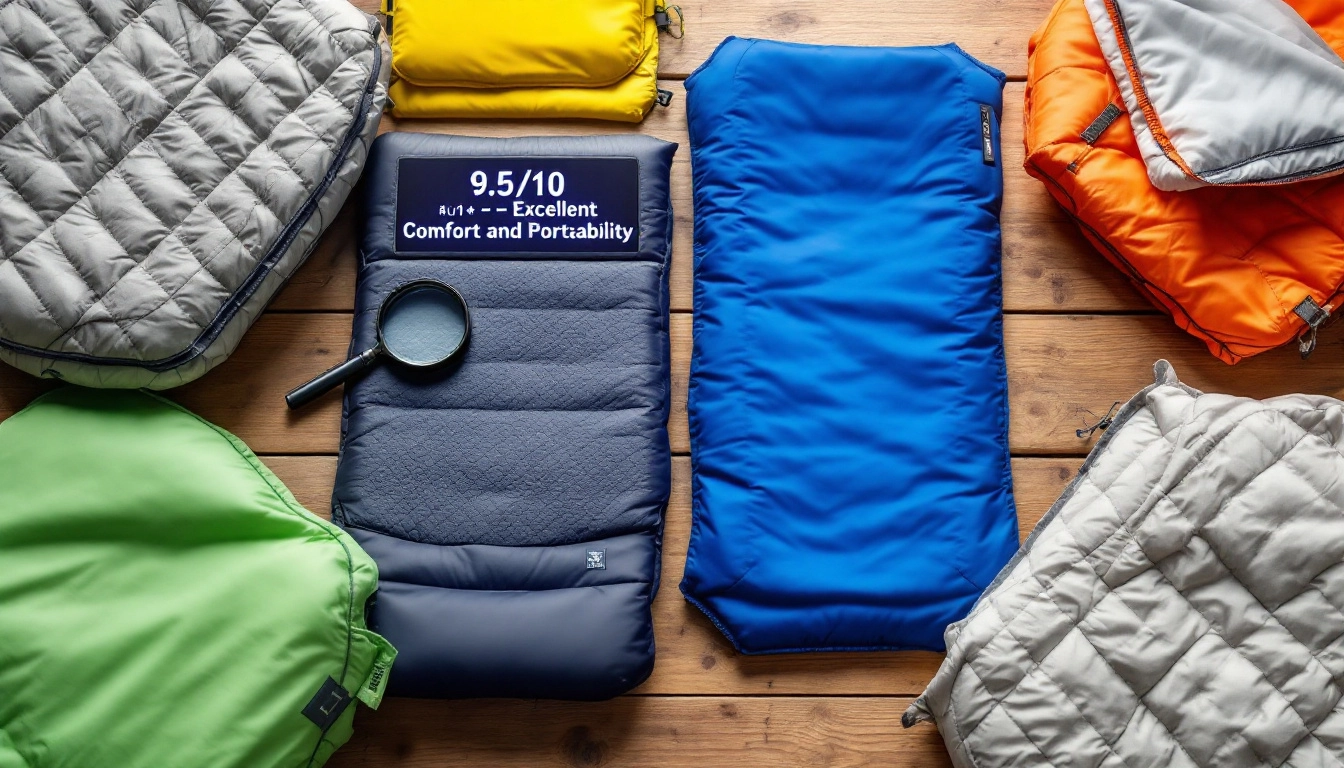
Rather than pushing one “best compact sleeping pad,” it makes more sense to match categories to trip styles. Our curated picks in the best lightweight sleeping pads for backpacking roundup show how different models perform across conditions.
Best for Ultralight Thru-Hikes
Prioritize weight-to-warmth ratio and packed cylinder size. On 20-mile days, you’ll feel every extra ounce climbing passes.
Look for:
- Low weight with reasonable R-value for season
- Compact deflated size that fits inside your pack
- Durable valve that seals quickly during late-night setup
If rain is moving in, you’ll appreciate a pad that inflates fast and doesn’t require complicated pump systems.
Best for Cold-Weather Adventures
Higher R-value becomes non-negotiable. Some hikers layer a foam pad under an inflatable for added insulation and backup protection.
Before winter trips, review local backcountry policies, including Parks Canada backcountry safety recommendations if heading north. Ground insulation is a core safety element, not just comfort.
Best Budget Compact Options
Budget pads can perform well, but inspect them carefully:
- Inflate fully and leave overnight to check for slow leaks.
- Listen for loud crinkling if you’re a light sleeper.
- Check seam quality and valve seal.
Trade-offs often show up in fabric durability and noise—not always in comfort on day one.
Real-World Performance: Field Testing Insights
Specifications matter. Real nights matter more.
Noise, Crinkling & Light Sleepers
Some ultralight pads use reflective or insulated layers that produce a crinkling sound. In a quiet alpine basin, that can seem amplified.
Roll side to side inside your tent before committing on a big trip. If it wakes your partner at home, it probably will at camp.
Inflation & Deflation in Wind or Rain
Small valves are fine in your living room. In wind with cold fingers, they can be frustrating.
Practice a quick pack-down. Time yourself deflating, folding, and stuffing the pad. If a storm rolls in, speed matters.
Packed Size in a Loaded Backpack
Manufacturer specs are helpful, but measure for yourself. Roll the pad tightly and measure length and diameter. Then slide it into your fully packed bag.
If it forces the zipper or distorts your load, rethink the model. External carry exposes it to weather and abrasion.
Durability, Safety & Cold-Weather Considerations
A lightweight backpacking sleeping pad should still survive contact with real terrain.
Puncture Risk & Ground Protection
Clear your site before pitching. Sweep away sharp gravel, pine cones, and thorns. A simple groundsheet adds a thin buffer against hidden hazards.
Follow Leave No Trace practices to protect both your gear and the environment: The 7 Leave No Trace Principles.
Moisture Build-Up Inside Inflatable Pads
Breath inflation introduces moisture. Over time, that can lead to odor or internal degradation. Pump sacks reduce condensation and require less effort at elevation.
If you must inflate by mouth, store the pad loosely at home and let it air dry periodically.
Hypothermia Risk & Ground Insulation
Cold ground contact accelerates heat loss. In shoulder seasons, pairing an ultralight sleeping pad with an additional foam layer can provide redundancy if the inflatable fails.
If temperatures drop below expectations, wear insulated layers to bed and increase separation from the ground immediately. Don’t ignore early shivering—it’s a signal to act.
Cost vs. Value: What Are You Really Paying For?
Higher price often reflects lighter fabrics, advanced baffle construction, and improved valves—but not always better sleep for everyone.
Materials & Construction
Denier ratings indicate fabric thickness. Lower denier reduces weight but can mean less abrasion resistance. Internal baffles affect how evenly weight is distributed across the pad.
Warranty & Repairability
A field repair kit is essential for multi-day trips. Carry patches and learn how to locate a leak before you’re forced to do it at dusk.
Upgrade Now or Make Yours Work Another Season?
Ask yourself:
- Did I consistently wake up cold last season?
- Is my current pad losing air?
- Am I changing trip styles (e.g., moving into alpine or longer thru-hikes)?
If discomfort is occasional and your trips are short, you may not need a replacement yet.
Checklist
- Define trip type (weekend, thru-hike, alpine).
- Confirm minimum R-value for expected temperatures.
- Test inflation at home overnight.
- Check pack space before prioritizing weight savings.
- Bring patch kit on multi-day trips.
- Inspect campsite before setting up tent.
Common Mistakes
- Choosing lowest weight without considering sleeping pad R-value.
- Ignoring noise factor in shared tents.
- Skipping home leak test before first trip.
- Assuming a 3-season sleeping pad works in shoulder season frost.
- Packing pad externally without weather protection.
Frequently Asked Questions
What should I look for in compact sleeping pad reviews before buying?
Look beyond weight. Check R-value, packed size, noise level, valve design, and durability. Read reviews that describe actual field conditions—rocky ground, cold mornings, or long-distance hikes—not just living room tests.
How much R-value do I really need for 3-season camping?
It depends on nighttime lows and ground conditions. For mild summer trips, moderate insulation often works. If frost or high elevation is likely, increase R-value or layer pads for safety.
Are inflatable pads warmer than foam pads?
Not automatically. Warmth depends on insulation and R-value. Some foam pads outperform ultralight air models in cold conditions, though they take up more pack space.
Is a Lightweight sleeping pad guide really necessary for beginners?
Yes—especially if you’re deciding between ultralight and comfort-focused gear. A structured lightweight sleeping pad buying guide helps you match insulation, thickness, and durability to your actual trip instead of guessing.
How small should a compact sleeping pad pack down for backpacking?
Small enough to fit inside your backpack without forcing the zipper. Measure the packed cylinder and compare it to your available internal space rather than relying on product photos.
Do compact sleeping pad reviews 2026 highlight big improvements over previous years?
Most updates refine weight, valve efficiency, and materials rather than rewriting the rules. The core decision—balancing warmth, packed size, and durability—remains the same.
Conclusion
The right sleeping pad disappears beneath you. It insulates against the ground, packs without drama, and survives rough campsites. Start with your trip conditions—distance, temperature, terrain—then compare categories that fit. Use these compact sleeping pad reviews as a practical checklist, not a popularity contest. When warmth, size, and durability align with your adventure style, you’ll wake up ready for the next mile instead of counting the minutes until sunrise.