Dusk settles in, the stove hisses, and then—the flame drops. A tiny screw has rattled loose. You dig through your pack, wishing you’d brought something small but capable. Moments like that are why the best lightweight camping multi-tools earn a permanent spot in a smart kit. The trick is simple: carry enough tool to solve real problems, not so much that you notice it every mile. In this practical Lightweight multi-tool guide, we’ll sort through weight vs. usefulness, what actually matters at camp, and how to choose confidently for 2026. Expect decision cues, real campsite scenarios, and clear trade-offs—no spec dumping.
Table of Contents
- What Makes a Multi-Tool Truly Lightweight?
- How to Choose the Best Lightweight Camping Multi-Tools in 2026
- Lightweight Multi-Tool Guide: Tools That Actually Matter at Camp
- Trail-Tested Picks: Best Lightweight Camping Multi-Tools 2026 Stunning Picks
- Safety, Maintenance & Responsible Use Outdoors
- Ultralight vs. Versatile: Making the Right Trade-Off
What Makes a Multi-Tool Truly Lightweight?
“Lightweight” isn’t just a number on a product page. It’s how the tool feels in your pocket after 12 miles and whether it replaces other items in your repair kit.
Weight vs. Real Functionality
Ounces matter—but only if they work. If a 90-gram multi-tool replaces a loose screwdriver, mini pliers, and a tiny knife, you’ve simplified your system. Weigh your current repair pouch at home. If the tool can eliminate three small items without sacrificing performance, that’s real weight savings.
On the trail, test this mentally: could it tighten a stove screw, crimp a tent pole splint, and slice paracord cleanly? If not, it’s decorative.
Compact Design & Carry Options
Look for a secure pocket clip, or a slim sheath that rides flat on a hip belt. For day hikes, keychain-compatible tools can make sense. In store, open and close the tools with cold fingers. If you can’t deploy the blade without breaking a nail, it won’t be easier at 10,000 feet in wind.
Material & Durability Considerations
Most quality tools use stainless steel; verify exact grades and specs directly on manufacturer sites before buying. Skeletonized handles shave grams but can dig into your palm during harder tasks. If you expect real torque—tightening clamps, twisting wire—comfort matters more than minimalism.
How to Choose the Best Lightweight Camping Multi-Tools in 2026
Choosing well comes down to trip style. Backpackers, car campers, and canoe trippers solve different problems.
Match the Tool to Your Camping Style
Backpacking: If your base weight sits under 15 pounds, aim for a sub‑100g tool. Every ounce counts.
Car camping: You can afford a slightly heavier model with stronger pliers and extra drivers.
Canoe trips: Moisture resistance jumps in priority. Dry it daily.
Quick rule: the more remote you go, the more self-reliant your tool should be—especially when comparing options like these multi-use camping tools for 2026.
Essential Tools for Campsite Reality
Think back to your last three gear fixes. Most campers rely on:
- Plain-edge knife blade for food prep and cord
- Pliers for gripping hot pot handles or bending wire
- Screwdrivers for stove, trekking poles, headlamps
- Scissors for tape, moleskin, and first aid
If a feature didn’t show up in those scenarios, question whether it deserves pocket space.
Budget vs. Long-Term Value
Entry-level tools can handle light tasks, but inspect hinge play and tool alignment. Soft screws strip fast. If you camp often, a well-built model with a solid warranty pays off. Always confirm weight, materials, and warranty details on official manufacturer pages before purchasing—especially when evaluating top-rated multi-use camping tools across categories.
Lightweight Multi-Tool Guide: Tools That Actually Matter at Camp
This section is the heart of the Lightweight multi-tool guide: the pieces that consistently earn their keep.
Blade Types for Camp Tasks
Straight edges excel at slicing food and shaving tinder. Combo edges chew through synthetic rope quickly but are harder to sharpen. If you mostly cut cord and open packaging, combo works. If you prep vegetables and carve tent stakes, go straight edge.
Before traveling, check local knife laws and regulations—especially when crossing borders or flying. Regulations vary, so verify rules through official park or government sources.
Pliers & Wire Cutters for Gear Fixes
Pliers are the backbone of a real camping repair tool kit. They grip hot metal, pull tent stakes from rocky soil, and help splint a cracked pole with a repair sleeve.
Test the spring tension. Are the wire cutters aligned evenly? If they don’t meet cleanly, they’ll mash instead of cut—an issue often highlighted in detailed reviews of lightweight multi-use tools for camping.
Add-Ons: Nice-to-Have vs. Dead Weight
Bottle openers are harmless. Wood saws on ultralight frames often flex. Tiny rulers and fish scalers rarely see use.
A simple rule: if you haven’t used that feature in two seasons, it’s probably dead weight.
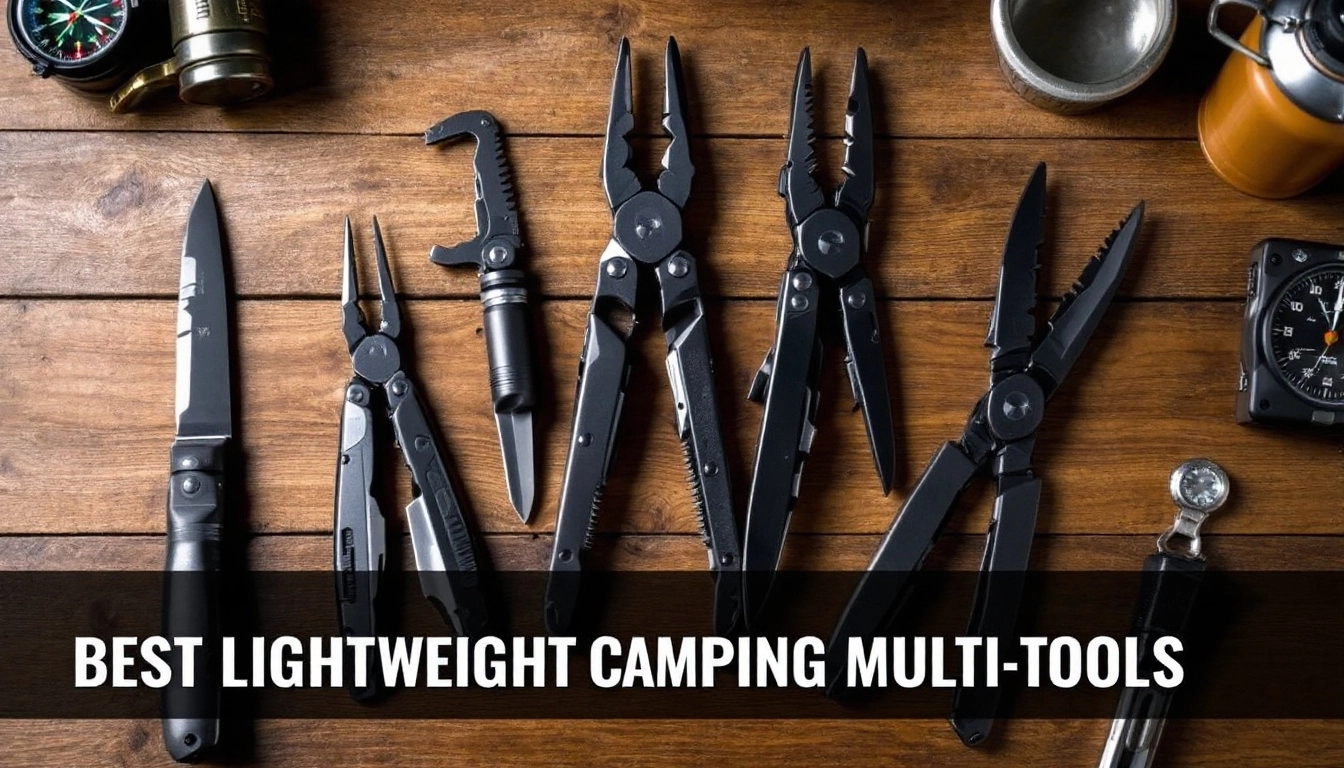
Trail-Tested Picks: Best Lightweight Camping Multi-Tools 2026 Stunning Picks
Below are structured pick categories to help you narrow options. Verify all specifications directly with manufacturers before buying. For a broader comparison across styles and weights, see this breakdown of seven standout multi-use camping tools for 2026.
Best Under 3 oz (Ultralight Minimalist Pick)
- Ideal for: Solo hikers on short trips
- Strength: Tiny footprint, pocket carry
- Trade-off: Limited plier leverage, fewer drivers
If your kit already includes a dedicated knife, this might replace only pliers and drivers.
Best All-Around Lightweight Camp Tool
- Ideal for: Most backpackers
- Strength: Balanced pliers, blade, scissors
- Test: Can it tighten a loose trekking pole clamp?
This is the sweet spot for many campers—enough strength for real fixes without dragging you down.
Best Budget Lightweight Option
- Ideal for: Occasional campers
- Check: Hinge wobble, blade lockup, tool play
If tools wiggle when locked open, pass. Confidence matters when hands are cold.
Best Compact Tool with Scissors
- Ideal for: First aid kits and tape-heavy repairs
- Strength: Controlled cuts for gauze, blister care
Small scissors can save frustration when trimming patch material inside a tent vestibule.
Safety, Maintenance & Responsible Use Outdoors
Using Multi-Tools Safely at Camp
Cut away from your body. Stabilize what you’re working on—brace a tent pole against the ground before applying pressure. Close tools fully when not in use.
Review general campground safety through the National Park Service safety guidance before your trip.
Cleaning & Rust Prevention After Trips
After wet conditions, rinse with clean water, dry thoroughly, and apply a light coat of oil to moving joints. Saltwater trips demand extra care. Open every tool while drying to prevent trapped moisture.
Leave No Trace Considerations
Multi-tools should solve problems—not create them. Avoid carving live trees or altering established campsites. Follow the 7 Leave No Trace Principles to minimize impact.
Before heading out, check local regulations on tool use and campground policies through official sources like the U.S. Forest Service Know Before You Go page.
Ultralight vs. Versatile: Making the Right Trade-Off
When Ultralight Makes Sense
Short trips. Established campsites. Clear weather windows. If failure won’t end your trip, minimalism works.
When Extra Tools Are Worth the Ounces
Remote routes. Shoulder seasons. Group trips where you’re the fix-it person. If your stove breaking would end the trip, prioritize capability over grams.
Quick Decision Checklist
- Trip length
- Remoteness
- Your DIY repair skill level
- Backup gear available
Checklist
- Confirm tool weight from official manufacturer site
- Test deployment with gloves
- Check locking mechanism reliability
- Match tool selection to real past repair scenarios
- Verify local knife regulations before travel
Common Mistakes
- Choosing the lightest option without pliers
- Ignoring grip comfort in prolonged use
- Overpacking duplicate repair tools
- Not drying your tool after rainy trips
- Assuming all blades are travel-legal
Frequently Asked Questions
What are the best lightweight camping multi-tools for backpacking trips?
The best lightweight camping multi-tools for backpacking balance sub‑100g weight with functional pliers, a reliable blade, and at least one screwdriver. For most hikers, a compact multi-tool for backpacking with scissors adds real versatility without much bulk.
How do I choose the right tool in a Lightweight multi-tool guide for my camping style?
Start with your trip type. Ultralight hikers should prioritize minimal weight and essential drivers. Car campers can add stronger pliers. A good Lightweight multi-tool guide always begins by reviewing the actual repairs you’ve made before.
Are the best lightweight camping multi-tools strong enough for tent and stove repairs?
Quality models are. Look for solid plier pivot points and properly aligned wire cutters. If the tool flexes when applying pressure in your hand, it may struggle with stove hardware.
How light should a camping multi-tool be for ultralight backpacking?
Many ultralight hikers aim for under 3 ounces. Just be sure it still covers your essential backpacking gear repair tools.
Do lightweight multi-tools include locking blades?
Some do, some don’t. Locking blades add safety during heavier cutting tasks. Verify specifications on the manufacturer’s site before purchase.
How do I maintain a camping multi-tool after wet or coastal trips?
Rinse, dry thoroughly, and apply light oil to joints. Open all moving parts while drying. Saltwater exposure requires extra attention to prevent corrosion.
Conclusion
The right choice isn’t about chasing the smallest number on a scale. It’s about carrying a tool that quietly solves real problems. The best lightweight camping multi-tools balance durability, comfort, and practical features—without dragging down your pack. Before buying, replay your last trip. What broke? What annoyed you? Choose based on those answers, verify current specs with manufacturers, and head into 2026 prepared—not overloaded. If you’ve found a favorite lightweight EDC for camping, test it against this checklist on your next outing.