It’s 3 a.m. The wind has shifted, the temperature has dropped harder than forecast, and your “30°F” bag suddenly feels more like a thin sheet. Moments like that are why choosing from the best ultralight sleeping bags isn’t about chasing the lowest number on a scale—it’s about matching gear to real conditions. In this Lightweight sleeping bag guide, we’ll cut through fill power hype, ISO ratings, and down-vs-synthetic debates to focus on what actually works in the field. You’ll learn how to choose by trip type and sleep style, avoid common ultralight mistakes, and balance warmth, weight, pack size, and durability for 1–5 night adventures.
Table of Contents
- How to Choose the Best Ultralight Sleeping Bags for Your Trips
- Temperature Ratings Explained (What They Don’t Tell You)
- Down vs Synthetic in 2026: What Makes Sense Now?
- Key Features That Actually Matter in Ultralight Bags
- Top Picks: Best Ultralight Sleeping Bags by Use Case
- Lightweight Sleeping Bag Guide: Care, Storage & Longevity
How to Choose the Best Ultralight Sleeping Bags for Your Trips
The right bag starts with one honest question: what’s the coldest overnight low you’ve actually experienced on your trips? Not the website forecast, not the valley-town high—the number you felt at 4 a.m. in camp.
Match the Bag to Your Trip Type
A summer weekend in low elevations calls for a lighter 40°F-class bag or quilt. Shoulder-season desert or alpine trips? That’s closer to 20–30°F comfort territory. Thru-hikers often trade a little warmth for weight savings because they’ll rarely see true freezing temps night after night. On a high route where storms roll fast, that gamble can backfire.
If you’re uncertain, lean slightly warmer. Adding 3–6 ounces for insulation is usually easier than sleeping through a long, cold night.
Know Your Sleep Style (Cold, Warm, Side Sleeper?)
Cold sleepers should choose a comfort rating several degrees lower than the expected low. If your partners complain about sweating while you’re still zipped tight, build in that buffer.
Side sleepers need to check girth measurements. A narrow ultralight mummy can feel efficient on paper but restrictive after the first hour of tossing. If you wake up twisted in the hood, the cut may be too tight.
Big mistake: choosing a bag purely based on weight. Ounces matter—but not more than recovery.
Quick Decision Rule (Weight-to-Warmth Ratio)
Don’t look at fill power alone. A higher number (800–950) means the down is fluffier per ounce, but total fill weight determines real warmth. Compare bags with the same temperature class and check how much insulation they actually contain—using a curated comparison like this top ultralight sleeping bag picks for ultimate comfort can make side-by-side evaluation easier.
If you’re paying $100 more to save 3 ounces, ask yourself: does that meaningfully affect your base weight? On a weekend trip, maybe not. On a 2,000-mile thru-hike, it might.
Temperature Ratings Explained (What They Don’t Tell You)
Temperature ratings are standardized, but your experience won’t be. Understanding the gap is what keeps you warm.
ISO/EN Ratings vs Real-World Performance
Most reputable brands use ISO-tested ratings that list a “comfort” and “limit” temperature. Comfort is the temperature where an average cold sleeper should rest reasonably well. Limit is closer to a survival edge for warm sleepers.
Humidity, wind seepage, and campsite exposure all shift that experience. Camp on a breezy ridge and a 30°F bag may feel noticeably colder. Set up in a protected treeline pocket, and it performs closer to spec.
For a deeper overview of how ratings work, REI’s guide on choosing a sleeping bag explains industry testing standards clearly.
Layering Strategy Instead of Buying a Warmer Bag
Before upsizing to a heavier bag, check your sleeping pad. An inadequate R-value is a common source of nighttime chill. Heat loss to the ground happens fast.
If cold creeps in:
- Put on dry base layers.
- Add your puffy jacket inside the bag around your core.
- Cover your head properly—most heat escapes there.
This system is often more versatile than carrying a warmer bag year-round.
Common Cold-Night Mistakes
- Using the “limit” rating as your buying guide.
- Underinflating your pad.
- Sleeping in damp hiking clothes.
Down vs Synthetic in 2026: What Makes Sense Now?
The down vs synthetic sleeping bag debate is still relevant, but materials have improved.
Down: Compressibility & Longevity
High-fill-power down remains unbeatable for compressibility and weight savings. It packs smaller and lasts longer when cared for.
If ethical sourcing matters to you, look for Responsible Down Standard certification. The Responsible Down Standard (RDS) outlines how brands verify animal welfare practices.
The field issue isn’t single-night moisture—it’s multi-day buildup. On a damp coastal trek, down can slowly lose loft if never fully dried.
Synthetic: Wet-Weather Reliability
Synthetic insulation continues to insulate when wet and dries faster. It typically weighs a bit more and occupies more space in your pack for the same temperature rating, but the margin may be worth it for canoe trips or humid forests.
Hybrid or Treated Down?
Hydrophobic-treated down resists moisture better than untreated down. It’s helpful, but not magic. If you’re camping in persistently wet climates, moisture management habits matter more than marketing claims.
Key Features That Actually Matter in Ultralight Bags
Specs are useful—but design details define comfort.
Cut & Shape (Mummy, Tapered, Quilts)
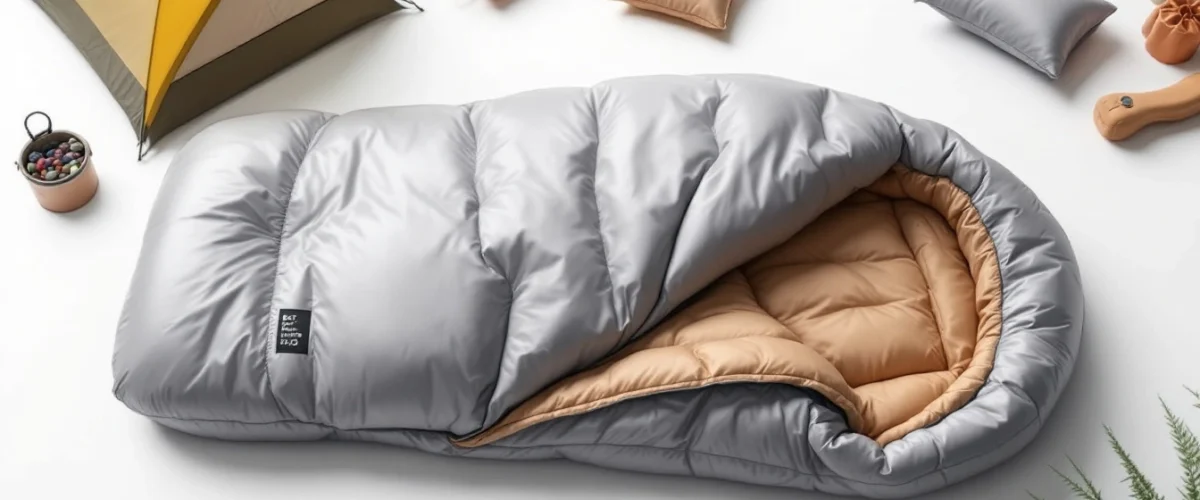
An ultralight mummy bag reduces dead air space and traps heat efficiently. Quilts eliminate underside insulation and save weight but require a solid pad attachment system.
If you toss and turn, make sure the cut won’t twist around you. After night one, confined shoulders feel smaller than they did in the store.
Zippers, Draft Collars & Baffles
Full-length zips vent heat on warmer nights. Half-zips cut weight but limit airflow.
Box baffles minimize cold spots in colder-rated bags. Sewn-through construction reduces weight but can allow heat loss in freezing temps.
Packed Size & Material Durability
Ultralight shell fabrics keep weight low but can puncture easily in rocky camps. Choose your campsites carefully and follow Leave No Trace principles to avoid damaging delicate gear—and the landscape.
Top Picks: Best Ultralight Sleeping Bags by Use Case
Instead of naming specific models without context, use this framework when narrowing your list among the best ultralight sleeping bags available this year.
Best for Thru-Hiking
Prioritize low weight and high compressibility. Expect a higher cost per ounce saved. Keep features minimal and focus on proven temperature control in variable weather.
Best Budget Ultralight Option
A slightly heavier bag with good fill weight often offers stronger value. Budget versions may use lower fill power, shorter zippers, or simpler baffles—but still perform well in fair conditions.
Best for Shoulder Season or Alpine Trips
Choose a higher fill weight, effective draft collar, and a comfort rating at least 5°F below your expected low. If storms surprise you, you’ll appreciate the extra margin.
Before heading out, review local regulations and preparedness tips through the U.S. Forest Service’s Know Before You Go camping guidance.
Lightweight Sleeping Bag Guide: Care, Storage & Longevity
A solid Lightweight sleeping bag guide doesn’t stop at purchase. How you treat your bag determines how long it performs.
Storage Rules That Preserve Loft
- Store uncompressed in a large mesh sack or hang loosely.
- Keep in a dry, cool space.
Washing & Drying Safely
Use a detergent designed for down or technical insulation. Rinse thoroughly. Dry on low heat with clean tennis balls to restore loft, checking regularly to prevent overheating.
When to Repair vs Replace
Small shell tears are repairable with patch kits. Loss of loft—especially around the torso—often signals insulation breakdown. If warmth no longer matches the original rating, it may be time to replace.
Checklist
- Confirm true comfort temperature rating.
- Match bag to coldest realistic conditions.
- Evaluate weight vs cost trade-off.
- Check sleeping pad R-value.
- Inspect zipper quality and draft collar.
- Verify manufacturer specs before purchase.
- Plan for moisture management.
Common Mistakes
- Buying for rare extreme temps and carrying excess weight year-round.
- Ignoring sleeping pad insulation.
- Confusing limit rating with comfort rating.
- Storing your bag compressed all winter.
- Choosing ultralight fabric without considering campsite terrain.
Frequently Asked Questions
What are the best ultralight sleeping bags for 3-season backpacking in 2026?
Look for a 20–30°F comfort-rated bag or quilt with a strong weight-to-warmth ratio. The best ultralight sleeping bags for 3-season use balance reliable insulation, manageable pack size, and a cut that matches your sleep style.
How do I choose a bag in a Lightweight sleeping bag guide if I sleep cold?
Select a comfort rating several degrees below your expected low and pair it with an adequately insulated pad. Cold sleepers benefit more from proper ground insulation than from chasing ultra-high fill power.
Are the best ultralight sleeping bags warm enough for alpine trips?
Yes—if you pick a model with an appropriate comfort rating, solid draft control, and sufficient fill weight. Always account for wind exposure and realistic overnight lows.
Is down or synthetic better for wet hiking conditions?
Synthetic offers more insurance in persistently damp environments. Down excels when weight and compressibility matter and you can keep it reasonably dry.
How light is too light for a backpacking sleeping bag?
If you’re sacrificing warmth margin to save minimal weight, it’s too light. A miserable night costs more than a few extra ounces.
Can I use a quilt instead of a mummy bag for cold nights?
Yes, but only if paired with a properly insulated pad and a secure attachment system. Draft gaps are the main issue—eliminate those, and quilts perform well.
Conclusion
The right balance between warmth, weight, and pack size is personal. Your metabolism, terrain, and trip style matter more than marketing labels. As you compare the best ultralight sleeping bags this season, focus on comfort ratings, total fill weight, realistic campsite conditions, and how you actually sleep—not just published specs. Evaluate your next trip’s lowest expected temperatures, your target base weight, and your sleep style. Then choose confidently from the best ultralight sleeping bags that truly fit your backcountry reality.