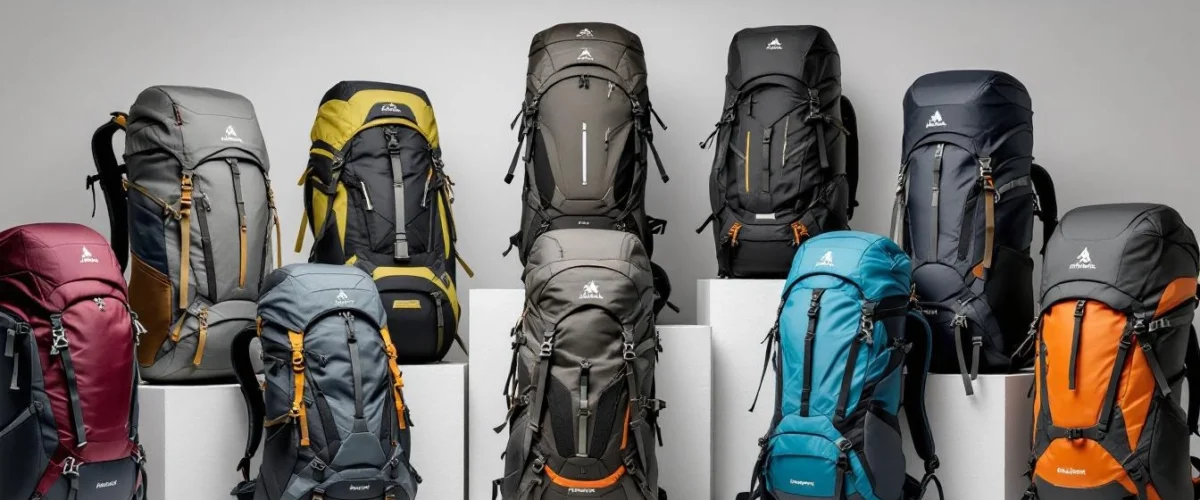
Ten miles in, your shoulders start talking. By mile twelve, they’re shouting. Most hikers blame their fitness or boots when the real issue is riding on their back. The best lightweight backpacks for hiking don’t just trim ounces—they transfer weight properly, breathe in summer heat, and match your trip length without forcing you to overpack. Choose wrong, and even a scenic loop turns into a grind.
This guide walks through 10 standout packs for 2026 with honest pros, real trade-offs, and who they’re actually for. You’ll also get a practical Lightweight backpacking guide to help you choose capacity (40L vs 55L vs 65L), understand frame types, and avoid common sizing mistakes. If you’re carrying anywhere from 20 to 35 pounds, this will help you dial it in. For a deeper dive into reducing pack weight overall, review these smart ultralight backpacking tips before finalizing your setup.
Table of Contents
- Top 10 Best Lightweight Backpacks for Hiking in 2026
- How to Choose the Right Lightweight Backpack (Lightweight Backpacking Guide)
- Weight vs Comfort: Real-World Trade-Offs
- Fit, Sizing & On-Trail Adjustments
- Materials, Durability & Weather Resistance
- Who Should Go Ultralight (And Who Shouldn’t)
Top 10 Best Lightweight Backpacks for Hiking in 2026
Below are ten proven options covering weekend trips, thru-hike prep, and lightweight internal frame backpack designs that handle moderate loads. Always verify exact weight, capacity, and load ratings on the manufacturer’s site before buying—brands update fabrics and frames frequently.
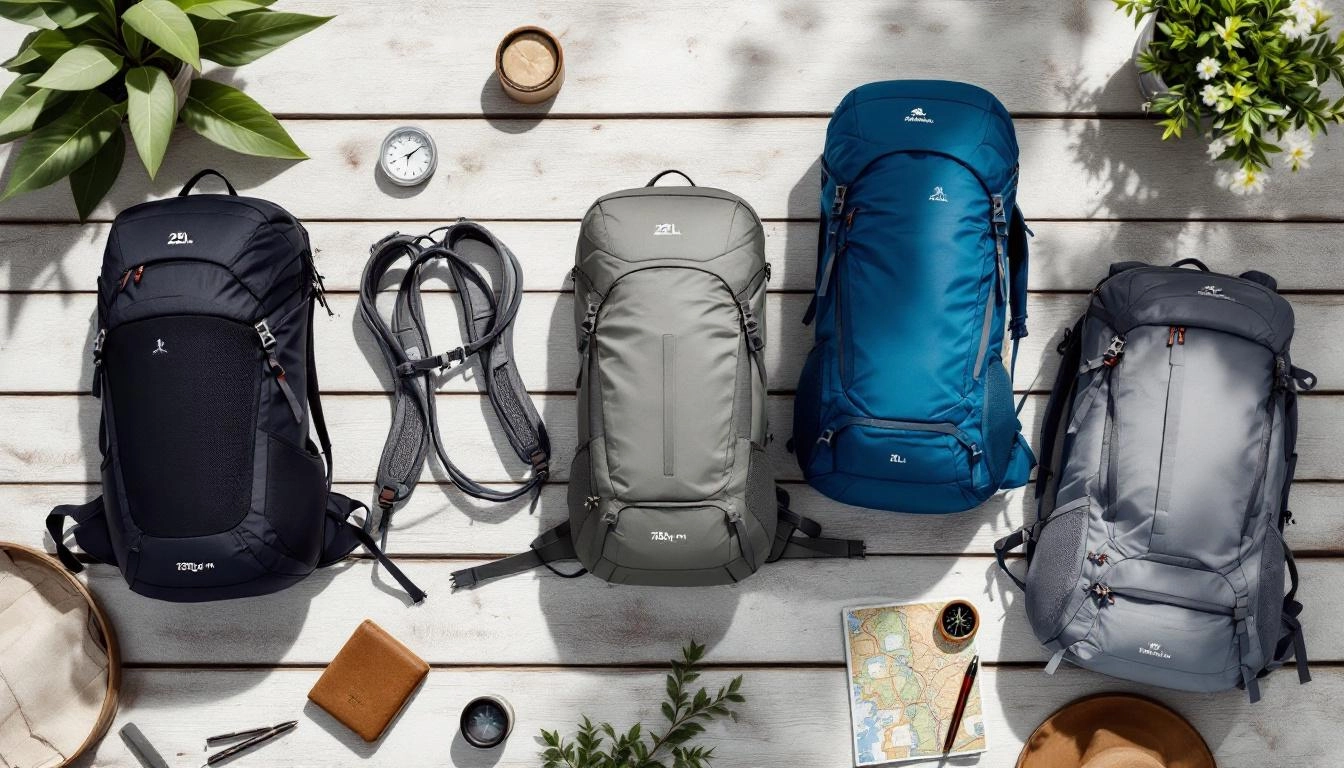
1. Osprey Exos 58 – Best for Ventilated Comfort
Positioning: Best for warm-weather multi-day trips.
- Pros: Excellent suspended mesh ventilation; balanced load transfer around 30 lbs; accessible side pockets.
- Trade-offs: Lighter fabrics require care around sharp rock; minimal padding compared to heavier packs.
- Ideal for: 3–5 day hikes where airflow matters.
2. Gregory Focal 58 – Best Load Stability
Positioning: Best for hikers carrying 30–35 lbs comfortably.
- Pros: Solid internal frame; supportive hip belt; intuitive adjustment system.
- Trade-offs: Slightly heavier than ultralight models.
- Ideal for: Hikers transitioning from traditional packs to lighter setups.
3. ULA Circuit – Best for Thru-Hike Prep
Positioning: Lightweight with real-world durability.
- Pros: Strong fabric choices; customizable fit; handles bear canisters well.
- Trade-offs: Less ventilation than suspended mesh designs.
- Ideal for: Long-distance hikers dialing down base weight.
4. Hyperlite Mountain Gear 3400 Southwest – Best Minimalist Durability
- Pros: Weather-resistant materials; simple, clean exterior; lightweight for capacity.
- Trade-offs: High price; minimal built-in organization.
- Ideal for: Hikers who prefer streamlined packing.
5. REI Co-op Flash 55 – Best Value Lightweight
- Pros: Modular features; adjustable torso; budget-friendly.
- Trade-offs: Fabric not as abrasion-resistant as premium ultralight options.
- Ideal for: Weekend backpacking and entry-level lightweight hikers.
6. Gossamer Gear Mariposa 60 – Best for Organized Ultralight
- Pros: Large external pockets; light frame support; adaptable capacity.
- Trade-offs: Comfort drops if pushed beyond recommended load.
- Ideal for: Experienced packers keeping loads below 30 lbs.
7. Deuter Aircontact Ultra – Best for Balanced Durability
- Pros: Supportive frame; durable materials; solid hip belt structure.
- Trade-offs: Heavier than frameless or minimal designs.
- Ideal for: Hikers who prioritize load stability over shaving every ounce.
8. Zpacks Arc Haul Ultra – Best Sub-2.5 lb Option
- Pros: Adjustable arc frame for ventilation; very light for its capacity.
- Trade-offs: Premium pricing; needs careful packing to maximize comfort.
- Ideal for: Ultralight backpack for backpacking enthusiasts.
9. Granite Gear Crown3 60 – Best Budget-Friendly Long Trips
- Pros: Adjustable fit; removable lid; decent load rating.
- Trade-offs: Back padding less breathable in humid climates.
- Ideal for: Best backpack for multi day hike on a budget.
10. Osprey Levity 60 – Best True Ultralight Internal Frame Feel
- Pros: Light frame system; excellent airflow; sleek design.
- Trade-offs: Not built for very heavy carries.
- Ideal for: Well-planned 3–5 day summer treks.
Best by Use Case
- Weekend backpacking: REI Flash 55, Osprey Exos 58.
- Thru-hiking prep: ULA Circuit, Zpacks Arc Haul.
- Budget lightweight: Granite Gear Crown3 60.
How to Choose the Right Lightweight Backpack (Lightweight Backpacking Guide)
Step 1: Match Capacity to Trip Length
1–2 nights usually fit in a lightweight hiking backpack 40L to 50L. For 3–5 days, many hikers prefer 50L–60L. Week-long trips or bear canister requirements may push you higher—especially if you haven’t yet applied practical lightweight hiking gear strategies to shrink bulk.
Decision cue: If your quilt or food only fits when crammed into mesh pockets, you’ve likely undersized.
Step 2: Understand Frame Types
- Frameless: Lightest option; best under ~25 lbs.
- Internal frame: Better load transfer for 25–35 lbs.
- Suspended mesh: Improved airflow, slightly more structure.
If you expect water carries or heavier food loads, lean toward a structured frame—and pair it with proven ultralight gear planning principles to stay within comfort range.
Step 3: Consider Load Rating vs Your Real Pack Weight
Weigh your full kit at home—food, water, everything. Your base weight matters, but total trail weight determines comfort. A practical Lightweight backpacking guide principle: never choose a pack at its maximum rating. Stay comfortably below it.
Weight vs Comfort: Real-World Trade-Offs
Back Panel Ventilation in Hot Weather
Suspended mesh helps in humid forests. Foam panels sit closer and feel stable on uneven terrain. If your shirt is soaked after one climb, airflow should be higher on your priority list.
Hip Belt Structure & Load Transfer
The weight should sit on your hips. If your shoulders ache after minor adjustments, check that the hip belt is snug over your iliac crest and tighten load lifters slightly.
Minimalism vs Organization
Fewer pockets mean less weight. But on rocky switchbacks, stopping to dig for snacks wastes energy. Balance ounces with accessibility—something emphasized in many ultralight backpacking gear tips focused on efficiency.
Fit, Sizing & On-Trail Adjustments
How to Measure Torso Length Properly
Follow the brand’s measurement guide carefully. Measure from the base of your neck to the top of your hip bones. Double-check sizing charts on official sites before ordering.
Dialing in Load Lifters & Sternum Strap
If shoulder straps dig in, slightly tighten the load lifters. If hands tingle, loosen them and readjust the hip belt first.
Women-Specific vs Unisex Fit
Women-specific packs often adjust hip belt angle and shoulder spacing. Still, fit varies—try both if possible.
Materials, Durability & Weather Resistance
Common Fabrics
Dyneema-based and high-tenacity nylon fabrics aim to reduce weight while maintaining tear resistance. Check with each manufacturer for exact fabric specs and care recommendations.
Abrasion Points to Inspect
- Bottom panel after rocky rests.
- Hip belt stitching.
- Stretch mesh pockets.
Rain Covers vs Pack Liners
Even water-resistant fabric benefits from a liner or cover in sustained rain. For official safety and backcountry preparation guidance, review the
National Park Service hiking safety advice and
USDA Forest Service hiking guidelines before your trip.
Who Should Go Ultralight (And Who Shouldn’t)
Ideal Candidates
- Experienced packers with trimmed gear lists.
- Long-distance hikers reducing base weight steadily.
When Lightweight Isn’t the Best Choice
- Winter conditions.
- Heavy water carries in arid zones.
- Trips requiring bear canisters or technical gear.
Lighter isn’t automatically safer. Stability and durability matter when terrain turns rough. Follow Leave No Trace principles from the
Leave No Trace Center for Outdoor Ethics to reduce impact while traveling in the backcountry.
Checklist
- Confirm torso measurement before buying.
- Weigh full packed load at home.
- Check hiking backpack weight limit from manufacturer.
- Inspect hip belt padding.
- Test with 20–30 lbs before first overnight.
- Verify return policy.
- Confirm park/backcountry rules via official sources.
Common Mistakes
- Choosing the lightest option without considering load weight.
- Ignoring fit because reviews were positive.
- Overpacking because the pack allows it.
- Skipping adjustment practice before trip day.
- Assuming water-resistant fabric replaces rain protection.
Frequently Asked Questions
What are the best lightweight backpacks for hiking in 2026 for multi-day trips?
Options like the Osprey Exos 58, ULA Circuit, and Gregory Focal 58 balance weight with structure, making them solid for 3–5 day hikes when loads stay within recommended limits.
How much should a lightweight hiking backpack weigh?
Many lightweight models fall roughly between 2–3 pounds, depending on capacity and frame design. Always compare weight alongside load rating.
Is a frameless pack suitable for beginners?
Usually only if total pack weight stays low. Beginners often benefit from a lightweight internal frame backpack for added stability.
How do I choose capacity using a Lightweight backpacking guide approach?
Start by weighing your gear and matching it to trip length. A thoughtful Lightweight backpacking guide mindset focuses on realistic load and required gear, not just volume.
Are lightweight backpacks durable enough for rocky terrain?
Many are, if used carefully. Reinforced fabrics help, but dragging your pack over granite will shorten its life.
Can I use one lightweight backpack for both weekend and week-long trips?
Yes—if capacity and load rating support your heaviest planned carry. Modular packs make this easier.
What features matter most when comparing the best lightweight backpacks for hiking?
Fit, load transfer, ventilation, realistic load rating, and durability at stress points matter more than shaving a few final ounces.
Conclusion
The right pack doesn’t just lighten your load—it improves how you move all day. Capacity should match trip length. Frame type should match real trail weight. Fit should feel stable before you ever step onto dirt. The best lightweight backpacks for hiking are the ones that support your body, your gear list, and your goals—not just the lightest number on a product page. Measure your torso, test with real weight, confirm manufacturer specs, and take your chosen pack on a short shakedown hike before committing to a longer backcountry route.