There’s nothing more frustrating than carrying a “lightweight” stove miles into the backcountry only to find it bulky, unstable, or useless in wind. I’ve made that mistake—and I’ve also learned what actually works on trail. This guide to the best lightweight camping stoves is built around real-world decisions, not hype. Consider it a practical Lightweight stove guide for 2026: how different stove types perform, where fuel efficiency really matters, and which setup fits your style of camping. You’ll get comparison factors, use-case recommendations, safety reminders, and a few field-tested checks that can save a meal—or a trip.
Table of Contents
- What Makes the Best Lightweight Camping Stoves in 2026?
- Types of Lightweight Camping Stoves Explained
- How to Choose the Right Stove (Lightweight Stove Guide)
- Safety Rules and Fuel Handling Basics
- Best Lightweight Camping Stoves by Use Case
- Care, Maintenance, and Long-Term Reliability
What Makes the Best Lightweight Camping Stoves in 2026?
In 2026, the conversation around the best lightweight camping stoves isn’t just about grams. It’s about reliability in bad weather, packability, and how efficiently a stove uses fuel over multiple days.
Weight vs. Packed Size: What Actually Matters on Trail
A stove might weigh only a few ounces, but once you add a fuel canister, pot, and lighter, the system tells the real story. I always check if the stove and a small fuel canister fit inside my cook pot. If they do, packing is simple. If they don’t, you’ll be stuffing loose metal into awkward corners of your pack.
On tight alpine routes, compactness matters more than shaving off a few grams. For car camping, that equation flips—bulk is less critical. If you’re weighing trade-offs between carrying less gear or prioritizing comfort, it helps to understand the broader philosophy behind minimalist camping vs traditional camping trends in 2026.
Boil Time vs. Fuel Efficiency (Don’t Chase Marketing Claims)
Manufacturers list boil times under controlled conditions: no wind, moderate temperature, ideal water volume. Real campsites are rarely that polite.
Faster boil times often mean a hotter, wider flame—which can burn through fuel quickly. On a three-day trip, efficiency can matter more than speed. If wind kicks up, even the most efficient stove struggles. Use natural wind barriers like rocks, but follow manufacturer guidance on windscreens to avoid overheating fuel canisters.
Stability and Pot Support in Real Campsites
Camp tables wobble. Forest floors are uneven. Desert ground can be soft.
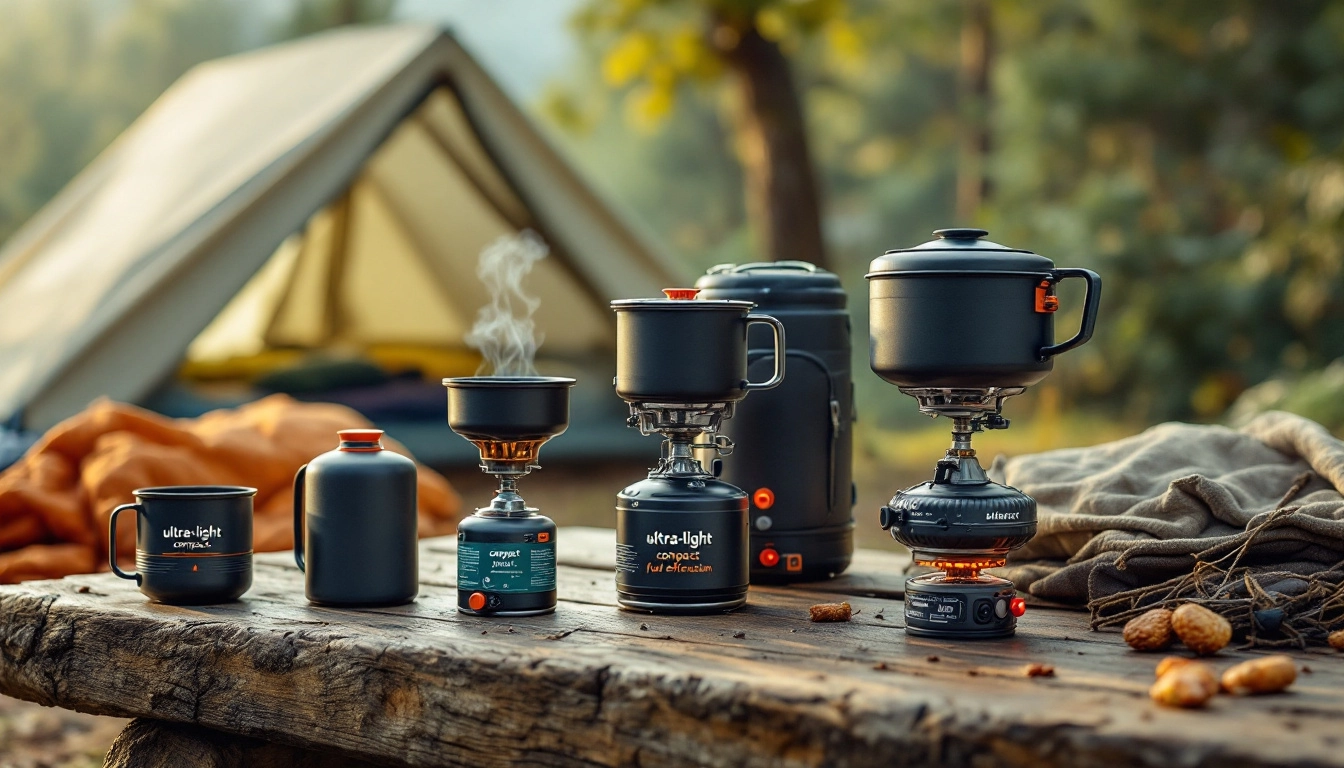
Here’s a simple field test: place your empty pot on the stove and gently nudge it. If it rocks, it’ll be worse with boiling water inside. Narrow pot supports are fine for a solo mug but sketchy for wide frying pans or group cooking—especially if your overall setup leans toward a more minimalist camping approach with less backup gear.
Types of Lightweight Camping Stoves Explained
Canister Stoves (Isobutane/Propane Mix)
These are the most common ultralight backpacking stove options. They screw directly onto a fuel canister, ignite quickly, and require little maintenance.
- Pros: Fast setup, easy flame control, compact design.
- Cons: Performance drops in colder temperatures.
If you’re heading somewhere remote, check fuel availability in advance. Not every small-town shop stocks compatible canisters. This is especially important when planning trips aligned with minimalist camping vs traditional camping strategies, where you may carry fewer backup supplies.
Liquid Fuel Stoves
Heavier and more complex, but dependable in cold and at altitude. These stoves require priming, which means preheating the fuel line before stable combustion.
Common mistake: trying to prime one for the first time at 10,000 feet in fading light. Practice at home. Learn the sound of a clean burn versus a flare-up.
Alcohol & Integrated Systems
Alcohol stoves are ultralight and simple but typically slower to boil and more affected by wind.
Integrated systems combine stove and pot into a single efficient unit. If you only boil water for dehydrated meals, this setup can be extremely fuel-efficient. If you sauté vegetables or cook pancakes, less so—often a deciding factor in debates around minimalist versus traditional camping gear choices.
How to Choose the Right Stove (Lightweight Stove Guide)
This part of the Lightweight stove guide is where most buying decisions are won—or regretted later.
Match the Stove to Your Trip Style
Solo overnight: Go light. A compact camping stove with a small pot is enough for coffee and freeze-dried meals.
Couple or small group: Choose stronger pot supports and better flame distribution. Trying to balance a wide pan on a tiny burner is a recipe for spills.
Car camping backup: Weight matters less. Stability and simmer control matter more.
Season & Climate Considerations
Cold weather reduces pressure in canisters, affecting flame strength. Some backpackers warm canisters in a jacket pocket before use—always within manufacturer guidance.
Wind is often the hidden enemy. Even a compact camping stove struggles in exposed terrain. Position your setup behind natural barriers and keep flames clear of flammable materials.
Budget vs. Durability Trade-Offs
Entry-level stoves can perform well for casual trips. For frequent backcountry travel, stronger materials and available spare parts become more important.
Check warranty details directly from the manufacturer. Avoid assuming lifespan claims unless clearly stated.
Safety Rules and Fuel Handling Basics
Ventilation and Carbon Monoxide Risks
Never operate a stove inside a tent, enclosed vehicle, or poorly ventilated shelter. Carbon monoxide is odorless and dangerous. The U.S. Consumer Product Safety Commission’s fuel-burning appliance guidance provides clear safety reminders for outdoor equipment.
If weather turns bad, cook under a well-ventilated tarp only if the manufacturer allows it—and keep flames safely away from fabric.
Fuel Storage and Transport
Store fuel canisters in cool, dry conditions away from direct heat. Follow official transport regulations when traveling. For Canadian travelers, consult Transport Canada’s dangerous goods guidance for up-to-date rules.
Fire Restrictions and Campsite Regulations
Some areas restrict open flames during high fire risk periods. Before each trip, check updates from land managers such as the National Park Service camping page. Conditions change quickly.
Apply the Leave No Trace principles: cook on durable surfaces and pack out all waste, including empty fuel canisters where required.
Best Lightweight Camping Stoves by Use Case
Solo Backpacking (Ultralight Priority)
Look for an ultralight backpacking stove with minimal components and strong pot supports for a single mug or small pot. Trade-off: limited stability for complex meals.
If your menu is mostly hot water and oatmeal, simple wins.
Small Group or Couple Camping
Choose a burner with wider flame spread and better simmer control. A compact camping stove with a remote fuel line can improve stability.
Common regret: buying the lightest option available, then struggling to cook evenly for two.
Shoulder-Season and High-Altitude Use
Reliability outweighs minimal grams here. Liquid fuel stoves or cold-capable canister systems perform better in low temperatures.
Test ignition with gloves on. If you can’t adjust the flame easily while wearing gloves, that’s a real-world problem waiting to happen.
Care, Maintenance, and Long-Term Reliability
Cleaning Burner Heads and Jets
A weak or uneven flame often means a clogged jet. Follow the cleaning procedure outlined in the manufacturer’s manual. Don’t improvise with sharp objects that could damage components.
O-Rings, Seals, and Leak Checks
Inspect seals before each trip. When attaching a canister, listen carefully for hissing and check for any unusual odor. If something feels off, detach immediately—well away from open flames.
Storage Between Seasons
Store your stove dry and clean. Remove fuel from the stove if recommended by the manufacturer. Keep everything in a protective pouch to prevent bent pot supports or clogged burners.
Checklist
- Total packed weight calculated (stove + fuel + lighter).
- Tested ignition at home before trip.
- Verified fuel availability near destination.
- Checked local fire regulations.
- Stable surface identified before lighting.
- Backup ignition source packed.
Common Mistakes
- Buying based only on boil time claims.
- Ignoring cold-weather performance limits.
- Using a stove inside a tent vestibule.
- Underestimating wind exposure.
- Not carrying enough fuel for trip length.
Frequently Asked Questions
What are the best lightweight camping stoves for backpacking in 2026?
The best lightweight camping stoves for backpacking in 2026 are those that balance low weight with reliable ignition, stable pot support, and efficient fuel use. Most solo hikers choose compact canister stoves or integrated systems for boiling water. For colder or higher trips, a liquid fuel option may be more dependable.
How do I choose the right model using a Lightweight stove guide?
Start with your trip style: solo or group, summer or shoulder season, simple boils or real cooking. A good Lightweight stove guide helps you compare fuel types, packed size, and stability instead of focusing only on stove weight.
Are canister stoves safe to use in cold weather?
They can function in cool temperatures, but performance drops as temperatures fall. Always follow manufacturer recommendations and never modify a stove system to force performance in cold conditions.
How much fuel should I pack for a weekend trip?
Estimate based on meal plan and boil time. Count how many boils you’ll need per day, then add a safety margin for wind or longer cook times. Running out of fuel on the last morning is more common than you’d think.
Can I use lightweight camping stoves during fire bans?
Sometimes, but not always. Regulations vary by location and conditions. Check official park guidance before your trip to confirm whether contained fuel stoves are permitted.
What’s the safest way to store fuel canisters between trips?
Keep them in a cool, dry space away from heat sources. Follow any storage instructions provided by the manufacturer and local transport regulations if traveling.
Conclusion
The best lightweight camping stoves aren’t defined by a single number on a spec sheet. They’re defined by how well they match your trip style, climate, and cooking habits. Prioritize stability, realistic fuel planning, and safety over trends. Before heading out, test your setup at home, double-check current regulations, and make sure your system works the way you expect. Choose your stove based on how you actually camp—and you’ll get far more value from the best lightweight camping stoves than any marketing claim can promise.