Every backpacker knows the trade-off: shave weight, or stay warm when the temperature dips at 3 a.m. on a windy ridge. That tension is exactly why smart ultralight sleeping bag recommendations matter. You’re not just counting ounces—you’re protecting recovery, morale, and safety. In this experience-driven Lightweight sleeping bag guide for campers, you’ll learn how to evaluate temperature ratings, compare seven standout use cases, and avoid the common mistakes that lead to cold, restless nights. Whether you’re planning a multi-day alpine trek, a humid forest thru-hike, or a minimalist summer loop, this guide will help you choose confidently.
Table of Contents
- Understanding Ultralight Sleeping Bag Ratings
- How to Choose the Right Ultralight Sleeping Bag for Your Trips
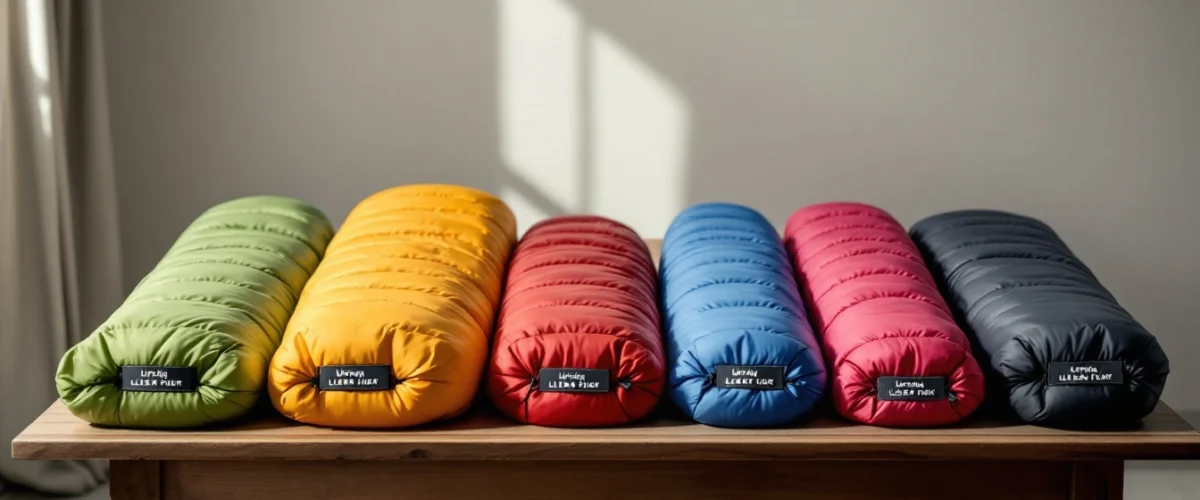
- Ultralight Sleeping Bag Recommendations: 7 Stunning Picks
- Temperature, Insulation & Real-World Comfort
- Weight vs Durability vs Price: The Real Trade-Offs
- Care, Storage & Longevity Tips
Understanding Ultralight Sleeping Bag Ratings
If you’ve ever shivered inside a “20-degree” bag, you already know numbers can be misleading. Before you compare brands, understand what those ratings actually mean.
ISO/EN temperature ratings: comfort vs limit
Most reputable brands use standardized ISO/EN testing. Two numbers matter:
- Comfort rating – Where an average cold sleeper should stay comfortable.
- Lower limit rating – Where an average warm sleeper can survive the night, curled up.
If you sleep cold, use the comfort rating as your baseline. For example, if the forecasted low is 5°C (41°F), don’t gamble on a bag with a 5°C lower limit. Give yourself a margin.
For broader trip planning and backcountry readiness, review guidance from the National Park Service’s backcountry camping safety page before heading out.
Pack weight vs packed volume
An 800-gram bag is great. But can it compress small enough for your 40L pack?
On shorter packs with tight volume, packed size often matters more than a 2–3 ounce difference. When possible:
- Compare stuff sack dimensions, not just weight.
- Test whether it fits horizontally in your pack.
- Check how it rebounds after compression.
If compressibility and warmth-to-weight are your priorities, studying a detailed down sleeping bag comparison for backpacking efficiency can clarify trade-offs between fill power and packed size.
Down fill power vs synthetic insulation
High-fill-power down offers the best warmth-to-weight ratio. Synthetic insulation performs more reliably in wet climates.
If you’re hiking coastal trails with high humidity or consistent condensation, down requires careful moisture management. Keep it dry at all costs. In persistently damp zones, synthetic may offer peace of mind—even if it’s slightly heavier.
How to Choose the Right Ultralight Sleeping Bag for Your Trips
This section acts as the practical core of your Lightweight sleeping bag guide. Match your gear to your real-world trips—not hypothetical extremes.
Match your bag to season and elevation
Summer alpine camps can dip near freezing even when valley towns stay warm. Shoulder seasons amplify swings.
- Summer-only: Mild lows, minimal insulation.
- 3-season: Reliable across spring through autumn.
- Shoulder-season: Added buffer for colder nights.
Rule of thumb: If forecast low equals the bag’s rating, choose a warmer option. Elevation and wind exposure matter.
To dial in seasonal insulation choices, reference a comprehensive lightweight down sleeping bag 2026 guide that breaks down temperature categories by trip type.
Consider your sleep style
Side sleepers need space to bend knees. Narrow “race-cut” bags save weight but can compress insulation when you curl up.
In-store cue: Lie down and pull knees into a fetal position. If you feel tension along shoulders or hips, expect cold spots.
Understand your sleeping pad’s R-value partnership
A warm bag on a poorly insulated pad equals a cold night. Your sleeping bag insulates above; your pad does the work below.
If you’re planning remote routes, check trip planning resources from the American Hiking Society to ensure your full sleep system fits the terrain and season.
Ultralight Sleeping Bag Recommendations: 7 Stunning Picks
Below are seven categorized picks reflecting real use cases. Always verify current specifications directly from the manufacturer before purchasing.
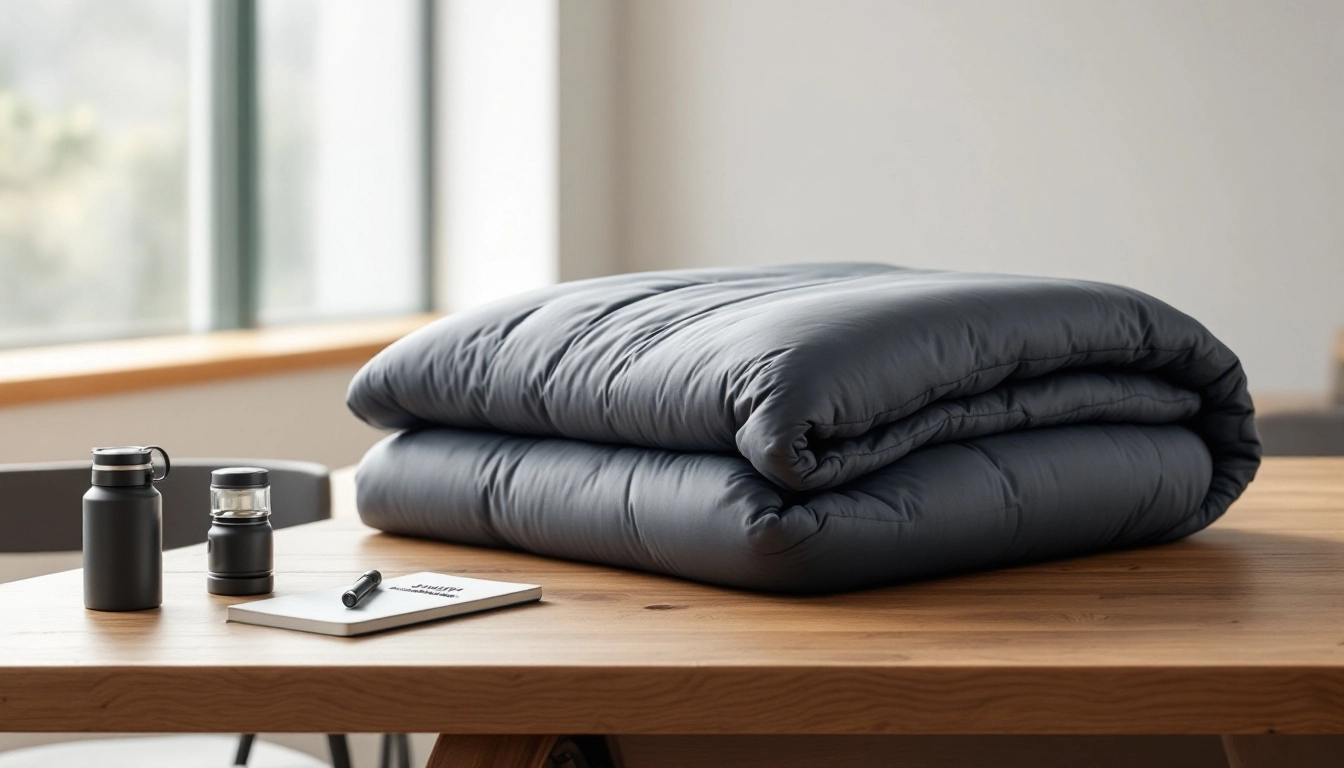
1. Best Overall Ultralight Down Bag
Best for: Balanced 3-season backpacking.
Why it stands out: Strong warmth-to-weight ratio, reliable draft collar, compressible for 40–50L packs.
Trade-off: Premium price, delicate shell fabric.
Skip if: You camp primarily in wet, humid climates without solid moisture protection.
2. Best Budget Ultralight Option
Best for: New ultralight hikers building their kit.
Why it stands out: Affordable down or hybrid insulation, solid 3-season coverage.
Trade-off: Slightly heavier, bulkier packed size.
Skip if: You’re optimizing for long-distance ounce savings.
3. Best Ultralight Quilt
Best for: Experienced hikers who move in their sleep.
Why it stands out: Removes back insulation (you compress it anyway), customizable width options.
Trade-off: Learning curve with pad attachment; drafts in windy shelters.
Skip if: You’re a restless cold sleeper.
4. Best for Cold Sleepers
Best for: Those who consistently wake up chilled.
Why it stands out: Conservative comfort rating, generous draft collar and hood.
Trade-off: Slightly heavier.
Skip if: You hike in consistently warm seasons.
5. Best Synthetic Ultralight Bag
Best for: Wet forests, unpredictable rain, or shorter trips.
Why it stands out: Maintains warmth when damp.
Trade-off: Typically bulkier.
Skip if: Maximum compressibility is critical.
6. Best Eco-Conscious Option
Best for: Sustainability-focused backpackers.
Why it stands out: Responsibly sourced materials, recycled fabrics.
Trade-off: Higher price.
Skip if: Budget is tight.
7. Best Minimalistic Summer Bag
Best for: Warm-weather overnights and fastpacking.
Why it stands out: Extremely light, tiny packed footprint.
Trade-off: Limited temperature range.
Skip if: Your trips include elevation gains with sharp overnight drops.
Temperature, Insulation & Real-World Comfort
Layering strategies inside your bag
Sleep in dry base layers. Add wool socks and a beanie before upgrading bags. Never crawl in wearing damp hiking clothes—it robs heat fast.
Managing condensation
Vent your tent slightly, even in cold weather. Avoid pressing your footbox against single-wall shelter fabric. Condensation soaks insulation over time.
Handling unexpected cold snaps
- Eat a calorie-dense snack before bed.
- Use a warm water bottle in the footbox.
- Avoid cold-air drainages and low valleys.
Choose campsites responsibly following Leave No Trace outdoor ethics principles.
Weight vs Durability vs Price: The Real Trade-Offs
Ultralight fabrics vs rugged shells
Fabrics in the 7D–15D range save grams but puncture more easily on rough granite or desert grit. Use a groundsheet if your terrain is unforgiving.
Is the premium price worth it?
The cost per ounce saved rises sharply under two pounds total weight. Ask yourself: will you notice the difference after ten miles?
Long-distance hiking considerations
Zippers fail. Down loses loft after heavy use. Consider long-term durability if you plan a thru-hike instead of a handful of weekends.
For extended mileage goals, reviewing durability notes in a comprehensive lightweight down sleeping bag buyer’s guide can help you balance grams against lifespan.
Care, Storage & Longevity Tips
Proper storage
Store uncompressed in a large breathable sack or hang loosely. Long-term compression damages loft.
Washing down safely
Use down-specific detergent and follow manufacturer instructions carefully. Dry thoroughly with low heat and clean tennis balls to restore loft.
When to replace vs repair
Persistent cold spots, leaking seams, or permanently flattened insulation signal replacement time. Minor tears? Patch promptly before they spread.
Checklist
- Confirm comfort rating matches expected lows (with buffer).
- Check bag + pad R-value compatibility.
- Test shoulder and footbox space.
- Compare packed size inside your actual backpack.
- Review return policy before purchase.
- Verify all specs directly from the manufacturer.
Common Mistakes
- Choosing based on lower limit instead of comfort rating.
- Ignoring humidity realities.
- Going too narrow for minimal weight savings.
- Assuming ultralight always means fragile.
- Forgetting pad insulation.
Frequently Asked Questions
What are the best ultralight sleeping bag recommendations for 3-season backpacking?
Look for a comfort rating slightly below your expected low, high-fill-power down, and a reliable draft collar. For unpredictable mountain weather, conservative warmth beats marginal weight savings.
How do I use a Lightweight sleeping bag guide to choose the right temperature rating?
Start with the coldest realistic overnight low. Add a buffer if you sleep cold or camp at elevation. Use comfort ratings—not lower limits—as your baseline.
Are ultralight sleeping bags warm enough for cold sleepers?
Yes, if you choose appropriately rated models and pair them with an insulated pad. Cold sleepers should avoid narrow race cuts and minimal draft protection.
What’s the difference between a quilt and a traditional ultralight sleeping bag?
A quilt removes underside insulation and relies on a pad for warmth. Bags fully enclose you with a hood. Quilts offer flexibility; bags provide security in windy or cold conditions.
Is down or synthetic better for wet climates?
Synthetic handles moisture better. Down offers superior warmth-to-weight but must stay dry. In damp forests, synthetic can be more forgiving.
How light is “ultralight” for a backpacking sleeping bag?
Many hikers consider under two pounds ultralight for 3-season use. Summer-only options weigh less, but warmth decreases accordingly.
Can I use an ultralight sleeping bag for winter camping?
Only if it’s specifically rated for winter conditions and combined with a properly insulated pad. Otherwise, choose a true cold-weather system.
Conclusion
The right choice comes down to three factors: realistic temperature buffer, proper pad pairing, and honest weight expectations. Ounces matter—but so does sleep. Before you commit to any of these ultralight sleeping bag recommendations, think about your climate, budget, and how often you truly push into colder conditions. Use this Lightweight sleeping bag guide before your next big trip, and prioritize restorative rest over marginal gram savings. A warm, well-rested hiker always makes better decisions on the trail.