You feel it at mile six. The pack starts pulling at your shoulders. Or worse, you wake up at 3 a.m., cold air seeping through your bag while you try to tuck your knees in tighter. For many campers, a lightweight down sleeping bag seems like the solution—lighter load, smaller pack size, better warmth for the weight. But choosing the right one takes more than glancing at a spec sheet. This practical Lightweight sleeping bag guide breaks down what really matters in 2026: temperature ratings, fill power, weight, fit, and real-world trade-offs. If you’re comparing current models, explore the best ultralight sleeping bags 2026 stunning lightweight sleeping bag guide for side-by-side insights. By the end, you’ll know exactly what to check—and what to ignore—before you buy.
Table of Contents
- Why Choose a Lightweight Down Sleeping Bag in 2026?
- How to Choose the Right Temperature Rating
- Fill Power, Weight & Packed Size Explained
- Shape, Fit & Comfort in Real Campsites
- Lightweight Sleeping Bag Guide: Comparing Key Features
- Care, Storage & Longevity Tips
Why Choose a Lightweight Down Sleeping Bag in 2026?
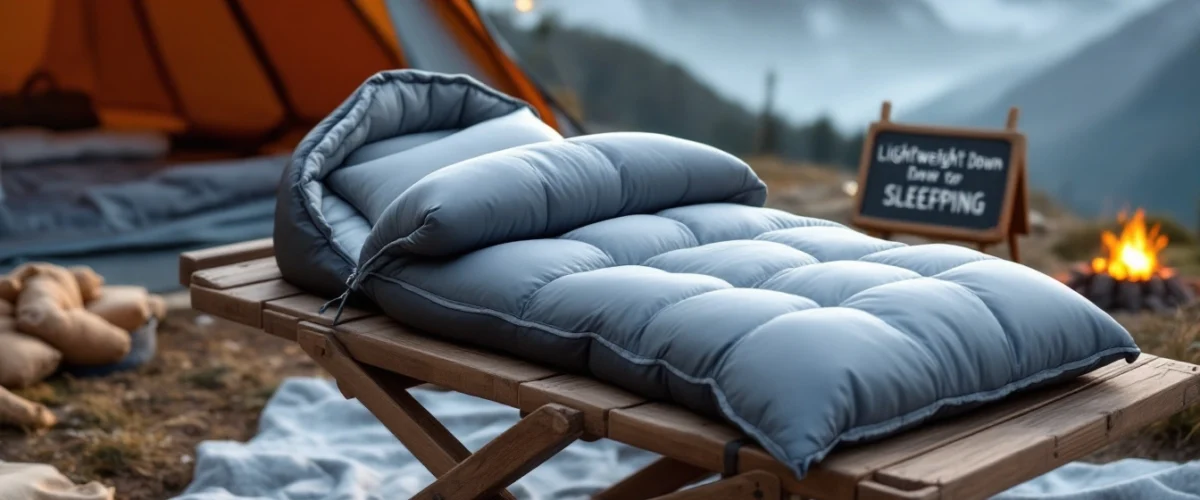
Down remains hard to beat when warmth-to-weight ratio is your top priority. A well-designed ultralight down sleeping bag compresses small, lofts high, and feels noticeably lighter in your pack compared to many synthetic options.
Down vs. Synthetic: Real-World Trade-offs
Down insulation traps heat efficiently with minimal bulk. That’s why backpackers and bikepackers often lean toward down for multi-day trips.
Synthetic insulation performs better when consistently wet. If you’re camping in steady rain, coastal humidity, or areas where gear rarely dries fully, pause and assess your shelter. A solid tent, groundsheet, and dry storage matter more than insulation type alone.
Helpful background on sleep systems is available through the National Park Service sleep systems overview. Sleep systems function as a unit—bag, pad, shelter, and clothing.
Quick decision cue: If you can reliably keep your bag dry, down is usually worth it for weight savings. If you expect frequent soaking moisture, build in extra protection or reconsider insulation type.
Who Really Benefits from Going Lightweight?
- Backpackers: Every gram counts after hour three on the trail.
- Bikepackers: Compact size matters as much as weight.
- Minimalist hikers: Smaller pack volume improves balance and comfort.
Car campers may care less about weight, but packed size still matters if trunk space is shared with coolers and gear bins.
Before upgrading, weigh your full pack. If your sleeping bag is already under a kilo but your tent and cook system are heavy, the bag might not be your biggest gain. Comparing several top-rated models from the 2026 ultralight sleeping bag guide can clarify where real weight savings come from.
When Lightweight Isn’t the Best Choice
For winter basecamps, family trips, or situations where durability and spacious comfort matter more than grams, a heavier bag can make sense. Extra fabric, roomier cuts, and reinforced materials often add weight—but also resilience.
How to Choose the Right Temperature Rating
The temperature rating is the first spec most buyers look at—and the one most misunderstood.
Understanding Comfort vs. Limit Ratings
Most reputable brands test bags under international standards that separate “comfort” and “limit” ratings. Comfort is the number cautious sleepers should prioritize. Limit typically reflects survival-level performance for warm sleepers.
REI’s expert advice on sleeping bags explains how ratings are intended to be interpreted in real use conditions: REI sleeping bag temperature guidance.
Practical cue: If you often say, “I get cold easily,” choose a bag with a lower comfort rating than your expected nighttime low.
Match Rating to Your Typical Trips
Three-season camping across much of North America often calls for a 3-season down sleeping bag, but conditions vary widely. Check typical lows using reliable forecasts such as the National Weather Service before finalizing your choice.
Camping at elevation? Subtract additional degrees for higher campsites. Clear skies and dry air often mean colder nights than expected.
Layering Strategy for Flexibility
Your sleeping pad’s R-value plays a major role in warmth. A high-performance bag on a low-insulation pad will feel underwhelming.
If temperatures dip below forecast:
- Wear a dry base layer and socks.
- Use a beanie inside the hood.
- Eat a small snack before bed to fuel overnight warmth.
Small adjustments often bridge the gap without overbuying a winter-rated bag.
Fill Power, Weight & Packed Size Explained
This is where many buyers get lost in numbers.
What Fill Power Actually Means
Down sleeping bag fill power measures loft—how much space one ounce of down occupies. Higher fill power down traps more air per ounce, meaning less weight for similar warmth.
But fill power alone doesn’t tell the whole story. Total fill weight matters too. Always review manufacturer specifications for both.
Balancing Weight and Warmth
Shaving 200 grams sounds impressive. In practice, if your total pack already weighs 15 kg, you might not notice much difference.
If you’re pushing into ultralight territory, compare total system weight:
- Bag weight
- Sleeping pad
- Stuff sack and liners
For detailed breakdowns of leading models by weight and warmth category, review the best ultralight sleeping bags for 2026 to see how different builds affect real pack loads.
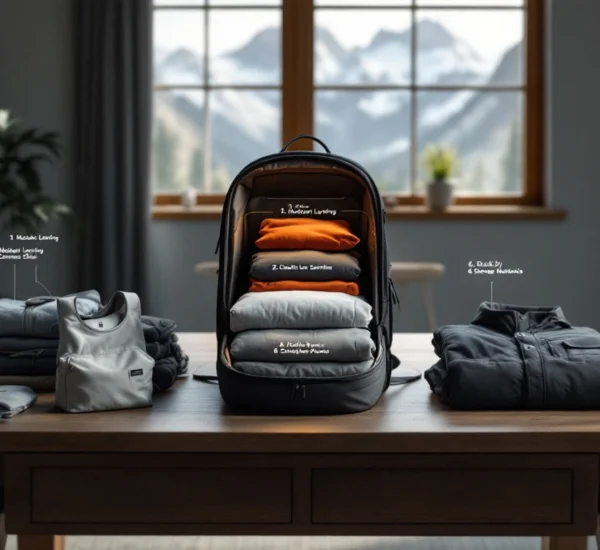
Packed Size: Real Backpack Fit Test
Don’t rely on listed compressed dimensions alone. Test fit it.
Quick test: Can it fit vertically inside your pack without forcing the zipper? If not, reconsider your packing layout.
Never store down compressed long-term. It reduces loft over time.
Shape, Fit & Comfort in Real Campsites
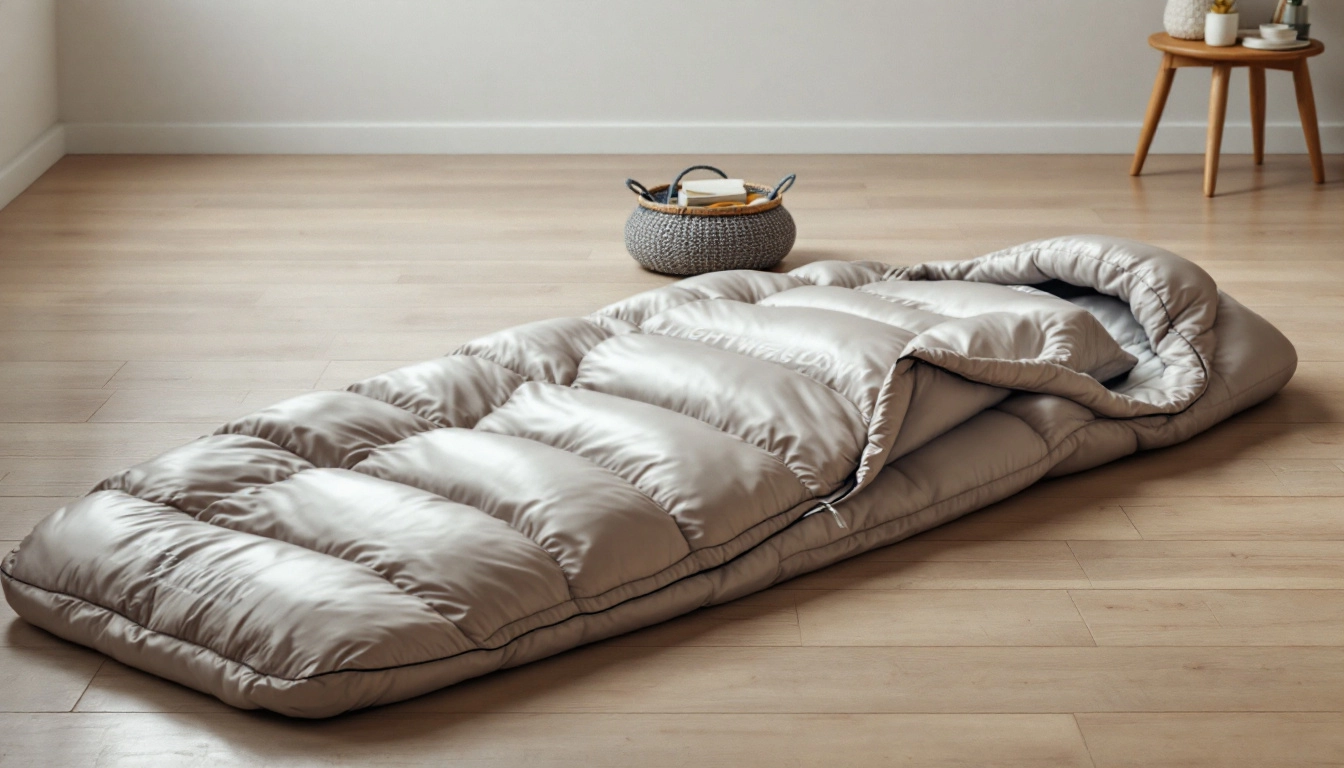
The cut of your mummy sleeping bag lightweight design can determine whether you sleep well—or fight fabric all night.
Mummy vs. Semi-Rectangular vs. Quilt
- Mummy: Best heat retention, least space, lowest weight.
- Semi-rectangular: More room to move, slight weight penalty.
- Quilt: Light and flexible, depends heavily on pad insulation.
If you toss and turn, a very narrow mummy may feel restrictive. But wide cuts lose heat faster if you move often.
Sizing & Fit
Check shoulder girth and maximum height recommendations. If you can’t comfortably wear a base layer inside, sizing up may improve warmth and comfort.
Too long? You’ll have extra dead air near your feet. Tight but not compressed is the goal.
Zippers, Draft Collars & Hood Design
Test zipper movement in-store. It should glide without snagging thin fabric.
Draft collars and adjustable hoods make noticeable differences on windy nights. Try tightening the hood with gloves on—small detail, big payoff at 2 a.m.
Lightweight Sleeping Bag Guide: Comparing Key Features
This section of the Lightweight sleeping bag guide focuses on smart comparisons rather than “best of” claims.
Budget vs. Premium Down Bags
Price differences usually reflect:
- Higher fill power down
- Lighter shell fabrics
- Brand design and warranty
Premium models often trim weight and bulk. Budget options may weigh slightly more but still perform reliably for casual trips.
Ethical Sourcing & Materials
If ethical sourcing matters to you, check for Responsible Down Standard certification through recognized bodies such as the Responsible Down Standard (RDS).
Also review repair policies. A replaceable zipper or patchable shell can extend life for years.
2026 Buying Checklist
- Your main camping season
- Expected lowest temperatures
- Target pack weight
- Sleeping pad pairing
- Budget ceiling
Unsure? Borrow or rent one before committing.
Care, Storage & Longevity Tips
How to Wash a lightweight down sleeping bag Safely
Use detergent formulated specifically for down. Wash gently and dry on low heat with clean tennis balls to restore loft. Be patient—full drying can take hours.
Storage Do’s and Don’ts
- Store loose in a large sack.
- Keep in a dry area.
- Avoid year-round compression.
Field Repairs & Moisture Management
If your bag gets damp overnight, air it out during breakfast. Even 20 minutes of sun helps.
Carry simple patch tape for small shell tears. Fix them immediately before down escapes.
Checklist
- Choose appropriate temperature rating (comfort-focused).
- Confirm fill power and total weight.
- Check packed size against your backpack capacity.
- Test zipper and hood adjustability.
- Pair with adequate sleeping pad R-value.
- Verify warranty and care instructions.
Common Mistakes
- Choosing by lowest weight alone. Why this backfires: you may sacrifice durability or comfort for marginal savings.
- Ignoring pad insulation. Why this backfires: ground heat loss makes even premium bags feel cold.
- Buying winter rating “just in case.” Why this backfires: overheating leads to restless sleep.
- Storing compressed year-round. Why this backfires: lost loft reduces long-term warmth.
- Assuming all down performs the same in damp climates. Why this backfires: shell fabric and moisture management matter.
Frequently Asked Questions
What is the ideal temperature rating for a lightweight down sleeping bag for three-season camping?
Most campers choose a comfort rating slightly below their expected lowest nighttime temperature. If early spring or late fall trips are common, select a warmer margin for safety.
Is a lightweight down sleeping bag better than synthetic for wet climates?
It depends on moisture management. Down performs exceptionally when kept dry. In persistently wet conditions without reliable shelter, synthetic may offer more peace of mind.
How do I use a Lightweight sleeping bag guide to compare fill power and weight?
Look at both fill power and total fill weight. Higher fill power reduces weight, but overall insulation depends on how much down is used. Compare the complete system, not just one number.
How long does a lightweight down sleeping bag typically last with proper care?
With proper washing, careful storage, and prompt repairs, a quality down bag can last many years of regular seasonal use.
Can I use a lightweight down sleeping bag for early spring mountain trips?
Yes, if the comfort rating matches expected lows and your pad insulation is sufficient. Monitor elevation forecasts closely before departure.
What should I look for in a Lightweight sleeping bag guide before buying online?
Prioritize comfort rating, fill power plus total weight, packed size, fit dimensions, warranty, and verified ethical sourcing details.
Conclusion
The right choice comes down to how and where you camp. Match your typical trip conditions—not marketing labels—to the bag’s temperature rating, fill power, and fit. Revisit your next planned outing: location, expected lows, total pack weight. Then narrow your top two or three options using this Lightweight sleeping bag guide. When chosen carefully, a well-fitted lightweight down sleeping bag transforms your nights outdoors—and makes the miles leading there feel lighter too.