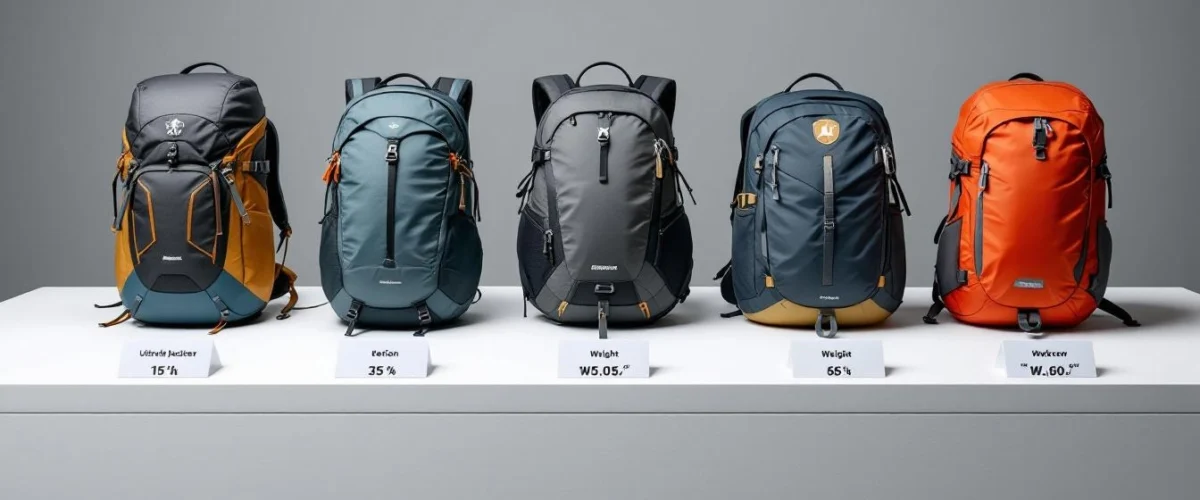
By the second day on trail, little things get loud. Your shoulders start to ache. The pack sags when you bend for water. You keep digging past tomorrow’s lunch just to find your rain shell. That’s usually the moment hikers start searching for an ultralight backpack comparison that actually makes sense in the real world. Not just grams on paper—but comfort at mile 15.
This guide breaks down how to compare today’s ultralight packs with clear criteria: weight, frame design, load limits, materials, and durability. You’ll learn how to match pack volume to trip length, when a frameless design works, and how a Lightweight backpacking guide mindset helps you choose the right system—not just the lightest bag on the wall.
Table of Contents
- How to Compare Ultralight Backpacks in 2026
- Ultralight Backpack Comparison Criteria (What Actually Matters)
- Frame vs Frameless: Which Fits Your Hiking Style?
- Capacity, Fit & Load Limits Explained
- Materials, Durability & Weather Resistance
- Matching Your Pack to a Lightweight Backpacking Guide Approach
How to Compare Ultralight Backpacks in 2026
Before looking at brand names or colorways, get honest about what you carry and where you hike. An ultralight pack only shines when the rest of your kit supports it.
Define Your Base Weight First
Lay out every piece of gear. Weigh it all—shelter, sleep system, cook kit, clothing, electronics. That total (without food and water) is your base weight.
If it’s still on the heavier side, swapping to a sub-2-pound pack won’t solve shoulder pain. The pack just ends up overloaded. In that case, focus first on big items like tent and sleeping bag, then revisit pack options. Understanding the difference between ultralight and heavy camping can clarify whether your current setup is working against you.
If your base weight is already lean and dialed, now an ultralight model makes sense.
Clarify Trip Type & Terrain
A smooth forest weekend loop is different from an alpine scramble with long water carries.
- Weekend trail hikes: 40–50L often works.
- Food-heavy thru-hikes: 50–60L may be more realistic.
- Alpine or technical terrain: stability and secure compression matter more than extra pockets.
Ask yourself: Will you carry a bear canister? Cold-weather layers? Extra water in dry sections? If yes, confirm your pack can handle both the space and weight.
Regulations vary by region, so always verify food storage and backcountry requirements with land managers like the
National Park Service backcountry planning page.
Budget vs Longevity
Entry-level ultralight packs can perform well, but premium models often use higher-end fabrics and reinforced stress points. That usually means better abrasion resistance and longer life.
Before buying, check the manufacturer’s warranty policy directly on their website. Look for clear coverage terms and repair options. A slightly heavier pack that lasts five seasons may be a smarter investment than the lightest option that fails in one.
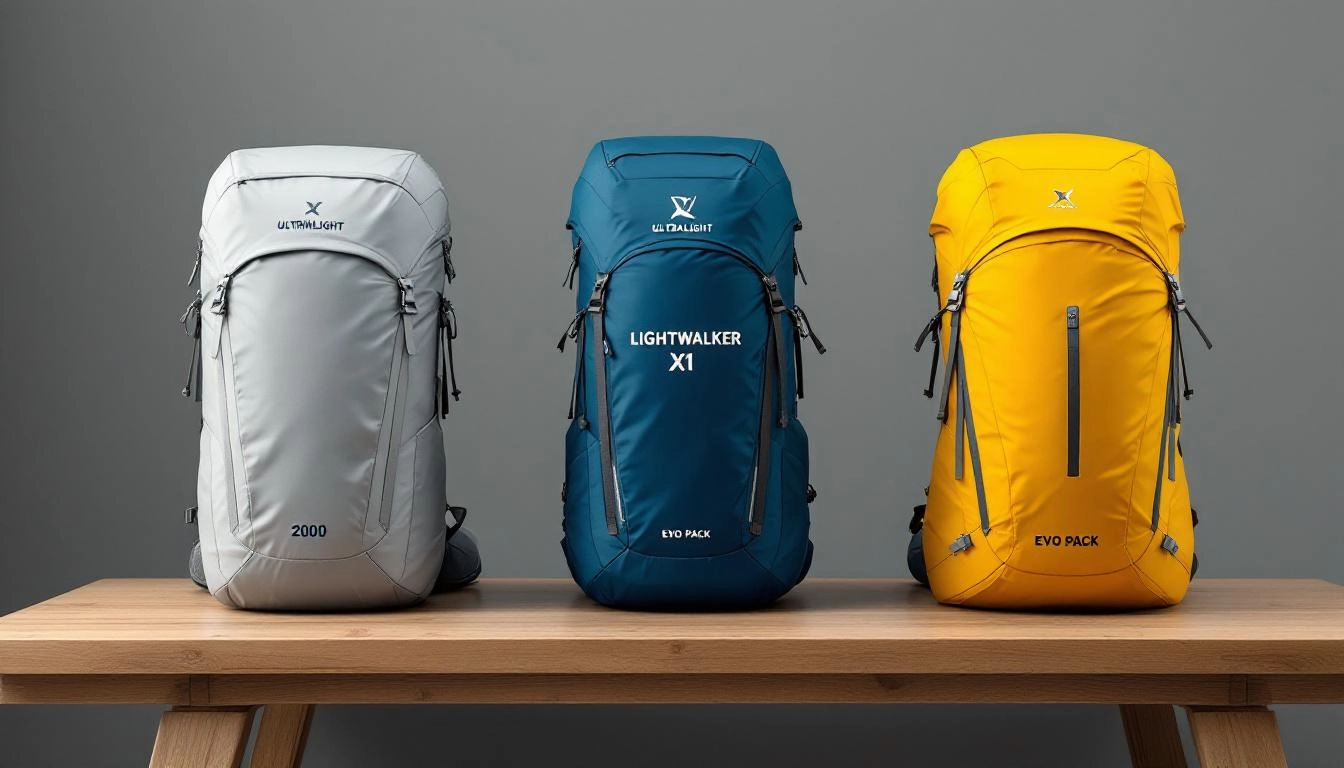
Ultralight Backpack Comparison Criteria (What Actually Matters)
A proper ultralight backpack comparison goes beyond total weight. Comfort under load is what determines whether you finish strong—or limp into camp.
Weight vs Comfort (The Real Trade-Off)
Look closely at:
- Hip belt structure and padding
- Frame stays or internal support rods
- Load lifter straps above the shoulders
In-store, load the pack with 25–30 pounds. Walk around for at least 10–15 minutes. If you feel pressure points forming at the collarbone or mid-back, don’t ignore it. Small discomfort in the shop becomes real pain on a rocky descent.
Never choose by pack weight alone. Ten saved ounces aren’t worth sore hips—especially if your overall setup resembles traditional heavy carry methods rather than a streamlined ultralight hiking approach.
Organization & Accessibility
Roll-top designs are lighter and simpler. Panel zips offer faster access but may add weight.
Check side pockets. Can you reach your water bottle without taking the pack off? On long, hot climbs, that matters more than you think.
Avoid overvaluing features you don’t use. Extra lash points and zip compartments look impressive—but if you hike with a streamlined kit, simple is better.
Ventilation & Fit Adjustment
Adjustable torso systems are helpful if you’re between sizes or share gear. To measure at home, find the bony bump at the base of your neck and measure down to the top of your hip bones. That’s your torso length.
In humid climates, a bit of airflow can reduce sweat buildup. While no ultralight pack eliminates back sweat, suspended panels and breathable foam can help.
For general hiking safety and trip preparation, review the
USDA Forest Service hiking guidelines before heading out.
Frame vs Frameless: Which Fits Your Hiking Style?
The debate around frameless backpack vs framed designs is really about load management.
When a Frameless Pack Makes Sense
Frameless packs shine with lighter overall loads. Many manufacturers recommend them for modest total carry weights—always confirm specific limits on the brand’s product page.
You’ll need strategic packing. Roll your sleeping pad inside to create structure. Place dense items close to your back. Think of soft gear as a “virtual frame.”
If your kit is tight, compact, and minimalist, frameless can feel agile and efficient—especially when you’ve fully embraced lighter gear principles instead of traditional bulk-heavy packing.
Why Framed Packs Still Dominate Long Trails
A frame transfers weight to your hips, which are better suited to carry load over distance.
On multi-day routes with heavy food carries or long water stretches, framed designs reduce fatigue. Many experienced hikers still choose lightweight framed packs for thru-hikes for this reason, depending on their place along the spectrum outlined in these 7 smart tips comparing ultralight and heavy camping styles.
Quick Decision Rule
If food and water push your total load beyond your comfort zone, go framed. If your full kit stays well within a lighter threshold and you pack carefully, frameless may work.
Do a trial walk on local trails before committing to a long trip.
Capacity, Fit & Load Limits Explained
Liters vs Real Usable Space
A 40L pack is often perfect for streamlined summer weekends. Once temperatures drop and insulation layers bulk up, 55L starts to feel reasonable.
Remember: advertised capacity may include outer pockets. A stuffed food bag can eat space fast.
Torso Length, Hip Belt Sizing & Body Types
Proper fit matters more than brand loyalty.
- Measure torso length accurately.
- Ensure shoulder straps wrap smoothly without gaps.
- Tighten hip belt so it sits centered over your hip bones.
When adjusted correctly, most weight should sit on your hips—not pulling backward from your shoulders.
Load Limit Reality Check
Manufacturers publish recommended load ranges. Check these numbers directly on official product pages and respect them.
Even if a pack technically supports more, your comfort limit may be lower. Pain is feedback—listen to it early.
Materials, Durability & Weather Resistance
Common Ultralight Fabrics
Many packs use high-tenacity nylon or laminated materials designed for strength at low weight. Laminated fabrics can resist water well, while traditional woven nylons may offer better abrasion performance over years of use.
Always verify fabric specifications and denier ratings directly from manufacturer listings before comparing models.
Water Protection Strategy
Don’t assume your ultralight pack is fully waterproof.
A simple solution: line the interior with a lightweight pack liner or use individual dry bags for critical items like your sleeping bag.
Long-Term Wear Points
Inspect the bottom panel regularly—especially after rocky campsites. Check shoulder strap stitching and hip belt attachment points.
Make gear inspection part of your Leave No Trace routine by learning from the
Leave No Trace Seven Principles.
Matching Your Pack to a Lightweight Backpacking Guide Approach
Pack as Part of a System
A true Lightweight backpacking guide mindset starts with reducing total kit weight first. Only then do you optimize the pack.
Avoid packing “just in case” items. Every extra piece of gear competes with comfort.
Seasonal Adjustments
Summer kits are compact. Shoulder season means bulkier insulation and possibly traction devices.
Bear-safe storage rules differ by region. Confirm requirements with local park authorities, including resources like
Parks Canada’s backcountry camping guide.
Smart Upgrade Path for 2026
If you’re aiming for significant base weight reduction tips, replace the heaviest items first:
- Shelter
- Sleeping bag or quilt
- Sleeping pad
Many beginners overspend on a premium pack before dialing in these foundations. Get the system right, then fine-tune the carry.
Checklist
- Weigh full kit before buying.
- Match pack volume to longest expected trip.
- Test with realistic weight for 15+ minutes.
- Confirm load rating on manufacturer website.
- Inspect stitching, hip belt padding, and strap anchors.
- Plan waterproofing strategy separately.
Common Mistakes
- Buying the lightest model without testing comfort.
- Ignoring torso measurement.
- Choosing volume based on a friend’s setup.
- Overpacking just because space allows it.
- Skipping region-specific food storage rules.
Frequently Asked Questions
What is the best ultralight backpack comparison method for beginners?
Start by weighing your full kit, then compare packs within your realistic load range. Focus on fit, frame design, and comfort under simulated trail weight. A practical ultralight backpack comparison always includes a walk test—never just online specs.
How does an ultralight backpack comparison help reduce overall base weight?
It clarifies where real savings come from. Sometimes the pack isn’t the biggest opportunity. By comparing load ratings and structure, you ensure the lighter pack supports your existing kit instead of forcing compromises.
Can a frameless pack handle multi-day trips safely?
Yes—if your total carry weight stays within the manufacturer’s recommended range and your packing strategy provides structure. For heavier food or water carries, framed models tend to stay more comfortable.
How do I choose the right size using a Lightweight backpacking guide approach?
Measure your torso, match volume to your longest typical trip, and ensure the pack supports your optimized gear list. A Lightweight backpacking guide strategy prioritizes system balance over chasing the smallest possible bag.
Are ultralight backpacks durable enough for rocky terrain?
Many are, especially those using reinforced high-tenacity or laminated fabrics. Still, abrasion happens. Choose tougher materials if you often camp on exposed rock and inspect stress points regularly.
What weight should I carry in an ultralight pack before upgrading?
If your loaded pack consistently exceeds the comfort range listed by the manufacturer, it may be time to reassess either your gear list or your pack choice. Comfort on trail is the deciding factor.
Conclusion
A smart ultralight backpack comparison focuses on how a pack performs when it’s full, not how light it feels in your hands at the store. Measure your torso. Weigh your kit. Test under real load. Approach the decision with a Lightweight backpacking guide mindset—optimize the whole system first, then choose the pack that supports your miles ahead. Compare 2026 models using comfort, durability, and trip reality as your filter, and you’ll end up with a carry system that works when the trail gets long.