You pull into camp, pop the trunk, and start digging. Two spatulas. Three flashlights. A folding chair that only does one thing. We’ve all packed “just in case” gear that never leaves the bin. The right multi-use camping tools solve that problem fast. They cut weight, reduce clutter, and make setup smoother when daylight is fading and dinner still isn’t started.
But not every combo tool deserves space in your pack. Some sacrifice durability for extra features. Others are clever on paper and frustrating in cold, wet conditions. In this guide, I’ll walk you through seven practical multi-use camping gear choices for 2026, how to evaluate them before buying, and when a specialized tool is still the smarter call.
Table of Contents
- Why Multi-use Camping Tools Matter in 2026
- How to Evaluate Multi-use Camping Gear Before Buying
- 7 Stunning Multi-use Camping Tools for 2026
- Choosing the Right Tool for Your Camping Style
- Safety, Maintenance & Longevity Tips
- Are Multi-use Tools Always Better?
Why Multi-use Camping Tools Matter in 2026
Camping looks different than it did a decade ago. Smaller vehicles, stricter campsite storage rules, and limited garage space at home all push us toward smarter packing. That’s where thoughtful multi-use setups shine.
Less Weight, Less Clutter, Smarter Packing
If you backpack, every extra 200 grams feels heavier by mile eight. If you car camp, space fills up just as quickly—coolers, camp bins, sleeping pads, and kids’ gear take over.
Before your next trip, lay all your gear on the garage floor. Count how many items serve one narrow purpose. Could one solid tool replace two of them? That’s the test.
The trade-off is real: sometimes lighter means smaller or less powerful. A compact shovel-saw won’t replace a full camp axe for heavy wood processing. Be honest about what you actually do in camp.
Storage Limits & Campsite Realities
Tiny tent vestibules. Picnic tables shared with food prep. Bear-safe storage rules in many parks. Space gets tight.
Always check site-specific regulations before packing tools that involve fire, digging, or wood collection. The National Park Service camping safety guidance and the U.S. Forest Service campfire safety page outline common restrictions, but verify the exact rules for your park.
The Shift Toward Multi-use Camping Gear in Modern Trips
Urban campers often store their gear in a closet, not a garage. Airline baggage limits add another layer for fly-in trips. Minimalist packing isn’t trendy—it’s practical.
Smart versatile camping gear for modern trips means fewer loose pieces to track and fewer items to forget at home. When one tool replaces two, setup gets faster and pack-out becomes simpler.
How to Evaluate Multi-use Camping Gear Before Buying
Not all combo tools are created equal. Some are brilliant. Others are a compromise you’ll regret halfway through your first rainy morning.
Durability vs. Versatility
First check the stress points—hinges, pivots, locks, folding mechanisms. Open and close them with gloves on. If it feels flimsy in the store, it won’t improve in wind or sleet.
Ask yourself: if one function fails, does the whole tool become useless? A knife with a broken fire starter can still cut. A collapsible seat-cooler with a cracked hinge might fail entirely.
Weight-to-Function Ratio
Extra features add grams. Backpackers should weigh whether each function replaces something substantial.
If you’re hiking 10 km in, be ruthless. Overlanders and car campers can focus more on durability and comfort than shaving ounces.
Ease of Use Under Stress
Try using the tool in low light. Open it with cold hands. Imagine kids running nearby.
A complicated “all-in-one” stove-tool-lantern combo may sound smart—but if setup feels confusing, it’s not solving problems. It’s creating them.
7 Stunning Multi-use Camping Tools for 2026
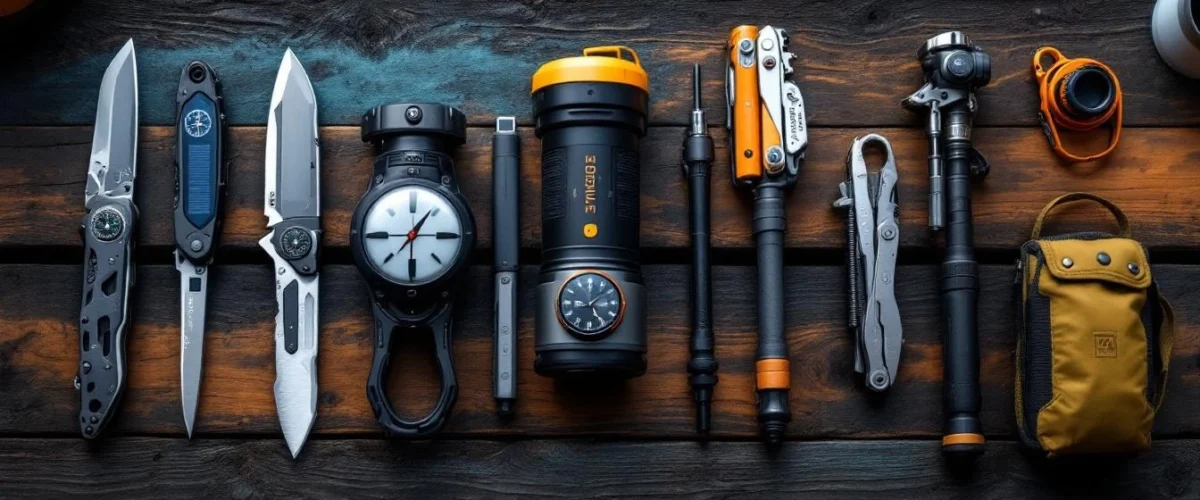
1. Multi-tool Knife with Fire Starter & Whistle
Best for minimalist hikers who want redundancy without extra bulk. Look for a solid blade first—everything else is secondary. The ferro rod should be accessible without fully unfolding the knife.
Trade-off: the blade may be shorter than a standalone camp knife. If you regularly prep large meals, that matters.
2. Camping Tarp with Grommets & Footprint Markings
A good tarp can be your rain shelter, groundsheet, and emergency wind block. Printed tie-out guides help newer campers experiment with setups.
Practice at home. Try an A-frame, lean-to, and simple ground cover before you rely on it in a storm.
3. Integrated Cook Pot + Lid Pan System
One pot, one lid that doubles as a frying pan. Fewer parts, less cleanup.
Reality check: for groups larger than four, you may still need extra cookware. For couples or solo campers, this often replaces two separate items.
4. Headlamp with Detachable Lantern Mode
Wear it while cooking, then snap it into lantern mode for the picnic table. That switch saves you from packing separate lighting.
Test battery access in the dark. Cold weather drains power faster, so carry backups and review general fire and night safety practices through resources like the Parks Canada camping safety guidance.
5. Trekking Poles That Convert to Tent Supports
Ultralight backpackers love this system. Your poles hold up your shelter at night.
The trade-off is obvious: if a pole breaks, you affect both hiking comfort and shelter stability. Bring a repair sleeve or know alternative tie-out methods.
6. Cooler Seat Combo (For Car Campers)
A reinforced cooler lid that doubles as a bench or step keeps kids off the food bin and frees up chair space.
Check weight ratings. Sit on it at home. Inspect latches—coolers get opened dozens of times per day.
7. Folding Shovel with Saw Edge
Useful for leveling tent pads or handling permitted camp tasks where digging is allowed. The saw edge can handle small branches.
Before packing, verify local rules on digging and wood processing. Follow Leave No Trace principles, outlined by the Leave No Trace Center for Outdoor Ethics, and check for fire restrictions.
Choosing the Right Tool for Your Camping Style
Backpacking vs. Car Camping
If you’re carrying it all day, prioritize lightweight camping tools and eliminate duplicates. Every feature should replace something meaningful.
For car camping, durability and comfort matter more than weight. A heavier but tougher combo tool may serve you better.
Family Campsites
Sharp edges and complex mechanisms don’t mix well with young kids. Store multi-tools out of reach and favor simple locking systems.
If setup feels hectic, simplify. One lantern-headlamp combo is easier to manage than three mismatched lights.
Season & Environment Considerations
Cold temperatures can make plastic brittle and drain batteries. Wet climates demand rust-resistant finishes.
Check fire bans and tool regulations before departure. Conditions change quickly, especially during dry seasons.
Safety, Maintenance & Longevity Tips
Routine Inspection After Trips
Dry everything completely. Tighten screws. Lightly oil metal pivots. Store tools slightly open if recommended by the manufacturer to prevent trapped moisture.
Know Campsite Rules
Some parks restrict fires, digging, or wood collection. Review official guidance before each trip, especially during high-risk wildfire periods.
When to Replace Instead of Repair
If you notice blade wobble, cracked structural plastic, or failing locks, retire the tool. Safety overrides thrift.
Are Multi-use Tools Always Better?
When Specialized Tools Win
Long expeditions, winter trips, and technical backcountry travel often demand specialized gear. A full-size shovel or dedicated stove can be more reliable in extreme conditions.
Redundancy for Safety
Always have at least two ways to start a fire where fires are permitted, or two light sources. Think through the failure scenario before you leave home.
Balanced Kit Philosophy
A practical rule many experienced campers follow: build your kit around mostly versatile camping gear that handles multiple tasks, then add specialized pieces for critical tasks. Flexibility matters more than chasing the highest feature count.
Checklist
- Define your trip type (distance, weather, campsite rules).
- Identify single-use duplicates in your kit.
- Compare durability of multi-use camping tools vs. separate equivalents.
- Test every function at home before departure.
- Verify park and fire regulations using official sources.
- Carry backup options for critical survival tasks.
Common Mistakes
- Buying based on feature count instead of build quality.
- Ignoring campsite restrictions or fire bans.
- Overloading a do-it-all tool beyond its safe purpose.
- Never practicing alternate tarp or pole setups.
- Skipping maintenance until something fails at camp.
Frequently Asked Questions
Are multi-use camping tools reliable enough for long backcountry trips?
They can be, if built well and tested beforehand. For remote trips, prioritize proven durability and carry backups for critical systems like fire, shelter, and water purification.
What’s the difference between multi-use camping tools and traditional single-purpose gear?
Multi-use items combine functions to reduce bulk and weight. Single-purpose tools often outperform them in one dedicated task but add volume to your kit.
How do I choose the right Multi-use camping gear for family camping?
Focus on simplicity and safety. Choose sturdy designs with secure locks and minimal sharp edges exposed during normal use. Comfort and quick setup usually matter more than saving a few ounces.
Do campgrounds or parks restrict certain multi-use camping tools?
Yes, depending on location and season. Fire starters, wood processing tools, or digging implements may be regulated. Always review official park or forest service guidance before packing.
Are multi-use camping tools worth it for beginners?
Absolutely—if you choose carefully. Beginners benefit from fewer items to manage. Start with one high-quality combo tool and expand as your skills grow.
How many multi-use items should be in a balanced camping setup?
There’s no fixed number, but aim for a thoughtful mix. Keep essentials reliable, trim redundancy where practical, and avoid stacking features just for the sake of it.
Conclusion
The best multi-use camping tools don’t just look clever—they make camp life smoother. They lighten your load, reduce clutter, and simplify decisions when conditions aren’t perfect. Choose durable designs, test them before you rely on them, and keep critical backups in place. Take a hard look at your current setup this week and replace one redundant item with smarter multi-purpose camping equipment. Then practice using it at home before your next trip. Your future self—setting up camp in fading light—will be glad you did.