By mile three, you start bargaining with your backpack. Maybe that extra shirt wasn’t necessary. Maybe the camp chair could’ve stayed home. I’ve been there—shoulders sore, hips aching, wondering why my “lightweight” setup still feels heavy. The fix usually isn’t more expensive gear. It’s smarter packing. The right multi-purpose backpacking items can trim pounds without cutting into comfort or safety. With a few practical Multi-use camping gear swaps for minimalist campers, you carry less while still being prepared for weather, terrain, and the occasional mistake. Below are seven trail-tested upgrades that replace single-use items—and how to know when they’re a good idea.
Table of Contents
- Why Choose Multi-use Camping Gear?
- 1. Trekking Poles That Do More Than Hike
- 2. The Right Bandana or Buff
- 3. Tarp Systems Over Traditional Tents
- 4. Backpacking Cook Pot with Extra Function
- 5. Sleeping Pad Beyond Sleeping
- 6. Multi-Tool With Purpose (Not Bulk)
- 7. Clothing That Replaces Gear
Why Choose Multi-use camping gear?
Every item in your pack has a cost—usually in ounces, sometimes in comfort. A lighter base weight reduces fatigue and lowers your risk of stumbles late in the day. But shaving weight blindly can create new problems.
Weight vs. Safety: The Real Trade-Off
Cut duplicate luxury items first. Keep redundancy where it truly matters: water treatment, insulation, and first aid. If you hike in shoulder seasons, an extra warm layer is smarter than an extra gadget.
Before any trip, review basic backcountry precautions from the
National Park Service’s backcountry safety guidance. Multi-use strategies should support safety—not undermine it.
When Multi-purpose Backpacking Items Make Sense
These swaps work best on established trails, moderate weather, and 1–5 day trips. In remote terrain or winter conditions, I carry more dedicated safety equipment. Versatility is helpful; reliability is non-negotiable.
Quick Decision Rule Before Adding Gear
Ask: What else can this do? If the answer is “nothing,” and it only provides minor comfort, reconsider. If it replaces two other items and you understand its limits, it probably earns a spot—especially when drawing ideas from a curated list of the best multi-purpose camping gear for minimalist campers.
1. Trekking Poles That Do More Than Hike
Shelter Support for Tarp Setups
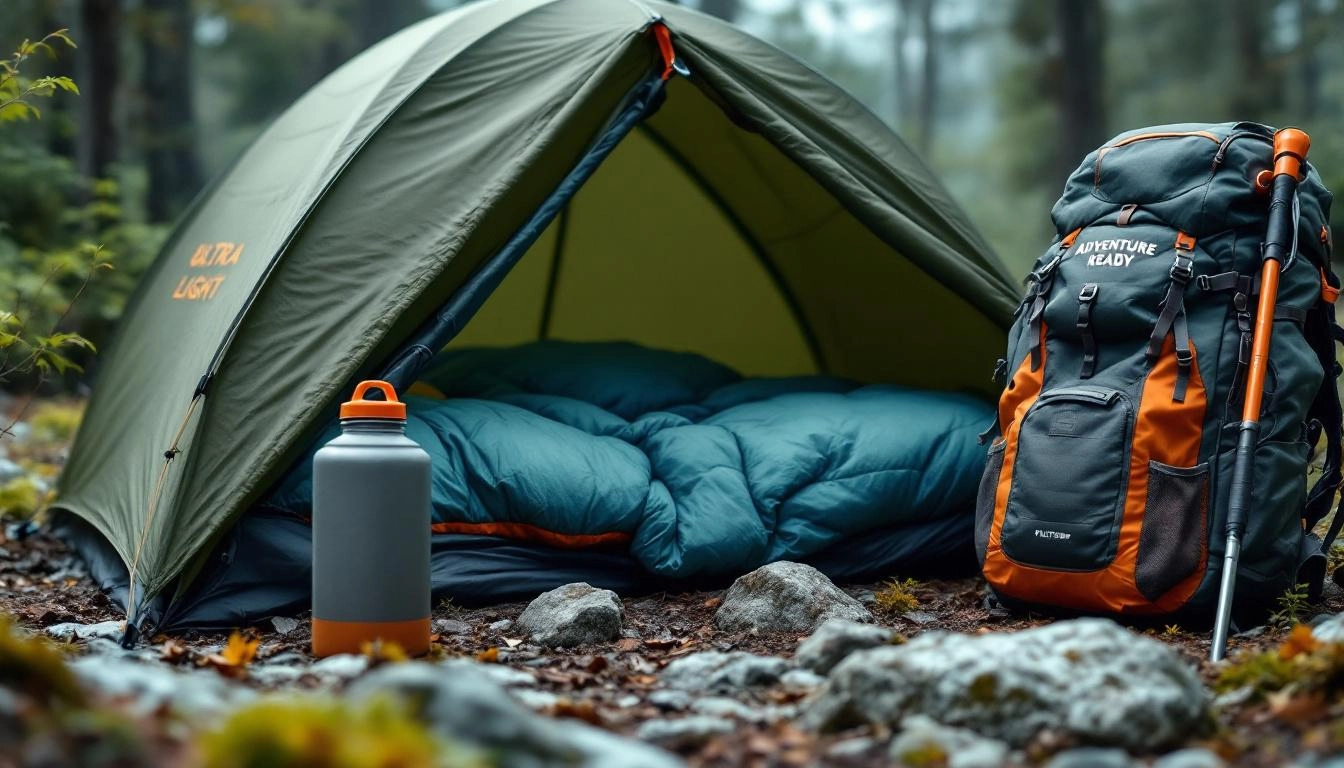
Trekking poles can replace tent poles in many tarp shelters. That eliminates extra hardware and reduces packed size. Before committing, test your setup at home.
On rocky ground where stakes won’t bite, you’ll need an anchor plan—large rocks, deadman anchors, or additional cordage. Don’t wait for a storm to figure this out.
Injury Prevention & River Stability
Properly adjusted poles take strain off knees during descents and give balance in creek crossings. If water pushes against your calves, plant both poles upstream before stepping.
Skip bargain locking mechanisms. If a pole collapses mid-stream, that’s not just inconvenient—it’s dangerous.
Emergency Splint or Structure Support
In a pinch, a sturdy pole can help stabilize an injured limb or reinforce a failing shelter corner. Carbon is lighter, aluminum bends rather than snaps. Choose with purpose.
2. The Right Bandana or Buff
Sun, Sweat, and Water Pre-Filter
A simple bandana or buff protects your neck from sun, absorbs sweat, and can pre-filter sediment from murky water before proper treatment. The
CDC’s backcountry water treatment recommendations explain why pre-filtering improves purification effectiveness.
Remember: fabric removes dirt, not pathogens. Always follow up with approved treatment.
Pot Holder, Towel, Signal Aid
Bright colors double as a signaling tool. Tied to your pack, it’s also easier to spot in low light. Choose synthetic in wet climates—cotton stays damp and cold.
Cold-Weather Face Protection
In wind, a lightweight buff adds surprising warmth. If temperatures drop quickly, pull it over your nose before your skin goes numb—not after.
3. Tarp Systems Over Traditional Tents
Weight Savings Explained Clearly
A tarp eliminates fixed poles and often weighs less than a double-wall tent. Paired with trekking poles, you reduce bulk significantly. This is classic ultralight camping equipment strategy built around multi-use gear.
Site Selection Matters More
Tarps demand better campsite judgment. Check wind direction, scan for dead branches, and evaluate runoff paths. The U.S. Forest Service offers practical reminders in its
camping safety guidance.
When a Tent Is Smarter
Bug-heavy regions, exposed alpine terrain, or nervous first-timers? Bring the tent. Skills should match your shelter choice.
4. Backpacking Cook Pot with Extra Function
Eating, Boiling, Washing in One Vessel
A single pot can boil water, serve as a bowl, and handle simple washing tasks. For solo trips, 750–900 ml usually works. Sharing? Size up.
Cold Soaking vs Cooking Strategy
Cold soaking removes stove and fuel weight. But morale matters. Hot drinks on a cold ridge can be worth a few ounces.
Improvised Water Carrier (Short Distance Only)
In camp, your pot can shuttle treated water short distances. Don’t rely on it as primary storage. Follow safe water practices outlined by the CDC.
5. Sleeping Pad Beyond Sleeping
Camp Chair Alternative
Fold a foam pad into thirds against a log or rock for back support. It’s not luxurious—but it saves carrying a chair.
Insulation Layer for Emergencies
Ground insulation reduces heat loss in cold conditions. If someone shows signs of hypothermia—shivering that won’t stop, clumsy hands—get them off the ground immediately and add insulation underneath.
Pack Frame Substitute (Ultralight Packs)
Some frameless packs use a folded pad as structure. Test this at home with full weight. If you feel pressure points after a mile, adjust packing before hitting trail.
6. Multi-Tool With Purpose (Not Bulk)
Knife + Repair Tool Combo
A compact tool with knife, small screwdriver, and scissors handles most field fixes—loose stove screws, clipped cord, torn tape.
When NOT to Bring a Full-Size Multi-Tool
If you’ve never used the pliers on past trips, leave them. Review your last three hikes. Pack for actual problems you’ve seen.
Minimalist Repair Kit Setup
- Duct tape wrapped around a pole section
- Small needle and thread
- Short length of cordage
7. Clothing That Replaces Gear
Rain Jacket as Wind Shell & Pillow
A quality rain jacket blocks wind and, stuffed into a sack with spare layers, becomes a pillow. If rain persists for days, keep one dry layer reserved for sleep.
Hiking Shirt for Sun + Sleep Layer
Choose quick-drying fabric. In humid climates, slow-drying material turns clammy overnight.
Buff + Down Jacket as Emergency Warmth System
Combined, these pieces protect core heat. Before any cold-weather trip, test your full layering system in your backyard at night. If you feel chilled standing still, adjust before committing to the trail.
Checklist
- Choose at least 3 multi-purpose backpacking items per trip.
- Confirm each item replaces at least one single-use object.
- Verify safety redundancy (water treatment, insulation, navigation).
- Test every dual-use setup at home.
- Adjust for season, location, and remoteness.
Common Mistakes
- Removing critical safety gear in the name of minimalism.
- Assuming all Multi-use camping gear is lighter.
- Not practicing tarp setup before the first storm.
- Overestimating skill level in remote terrain.
- Ignoring drying time for multi-use clothing.
Frequently Asked Questions
What are the best multi-purpose backpacking items for beginners?
Start with low-risk swaps: a buff, trekking poles that support a shelter, and a sleeping pad that doubles as a sit pad. These reduce pack weight without removing essential protection.
Is Multi-use camping gear safe for remote backcountry trips?
It can be, but remote trips demand more redundancy. In isolated terrain, prioritize dependable shelter, water purification, insulation, and navigation. Use versatile items to reduce duplicates—not eliminate essentials.
How do multi-purpose backpacking items reduce pack weight without sacrificing safety?
They replace overlapping items. A trekking pole supporting your shelter removes tent poles from your pack. A rain jacket serving as wind layer eliminates a dedicated shell. Done correctly, weight drops while core safety systems remain intact.
Can a tarp really replace a tent in bad weather?
Yes—if pitched properly and matched to conditions. Wind direction, ground drainage, and secure anchors matter more. For heavy bugs or snow loading, a tent is often the safer choice.
What Multi-use camping gear should never replace dedicated safety equipment?
Never substitute proper water treatment, a reliable insulating layer, or navigation tools. A bandana is not a filter. A phone is not a fail-proof map. Keep essentials dedicated.
How many multi-purpose backpacking items should I carry on a 3-day trip?
Three to five is realistic. Focus on high-impact swaps: shelter system, clothing layers, and cooking setup.
Conclusion
Lighter packs aren’t built by cutting randomly—they’re built by choosing smarter. The best multi-purpose backpacking items quietly handle two jobs at once, freeing space and energy for the miles ahead. Audit your current setup. Identify one or two single-use pieces you can replace with thoughtful alternatives. Test them at home, then take them on a short trip before committing further. Small adjustments compound quickly on trail. What’s your favorite multi-purpose backpacking item? Share it and keep refining your kit with practical, field-ready improvements.