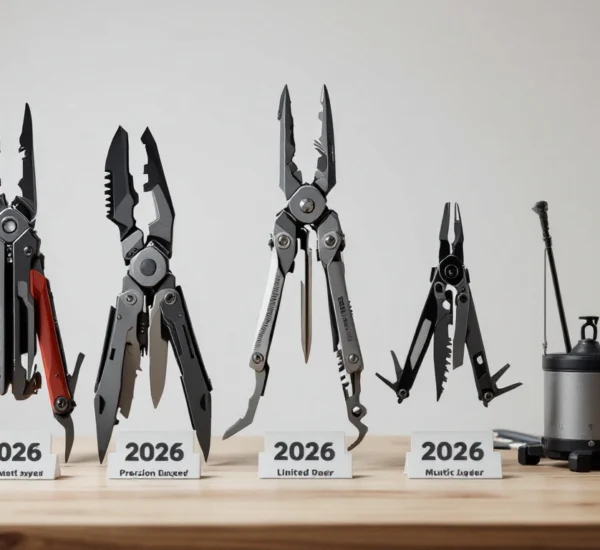
You can spot the difference at any busy trailhead. One group is unloading coolers, folding chairs, and a tent the size of a small cabin. Another steps out with a single pack each, sets up in minutes, and is walking the trail before sunset. That contrast often sparks the same question: what is minimalist camping, really? In simple terms, it’s camping with intention—bringing fewer items, choosing lighter systems, and focusing on experience over excess. What is minimalist camping not? It’s not suffering, and it’s not reckless survival. In this guide, you’ll learn how to practice it safely, what gear truly matters, and seven realistic 2026 trip ideas to try.
Table of Contents
- What Is Minimalist Camping and How Is It Different?
- Core Principles of Minimalist Camping
- 7 Stunning Minimalist Camping Ideas for 2026 Trips
- Minimalist Camping Gear: What You Actually Need
- Safety, Regulations, and Leave No Trace Basics
- How to Plan Your First Minimalist Camping Trip
What Is Minimalist Camping and How Is It Different?
At its core, minimalist camping means bringing only what serves a clear purpose. Every item in your pack solves a likely problem: staying warm, staying dry, finding your way, eating well enough to recover. If it doesn’t have a defined job, it stays home.
Clear Definition in Practical Terms
So, what is minimalist camping in everyday language? It’s a lighter, simpler approach to camping that trims excess without cutting into safety. You still carry weather protection, food, water treatment, and navigation. You skip the “maybe I’ll need this” duplicates.
It’s different from ultralight backpacking, which can involve counting ounces and investing in specialty gear. It’s also not survival camping. You’re not trying to test your limits; you’re trying to remove friction so you can enjoy the place you’re in.
Minimalist vs. Traditional Car Camping
Traditional car camping often means more gear because you can bring it. Bigger tent, second cooler, extra stove, backup lanterns. Setup can take an hour.
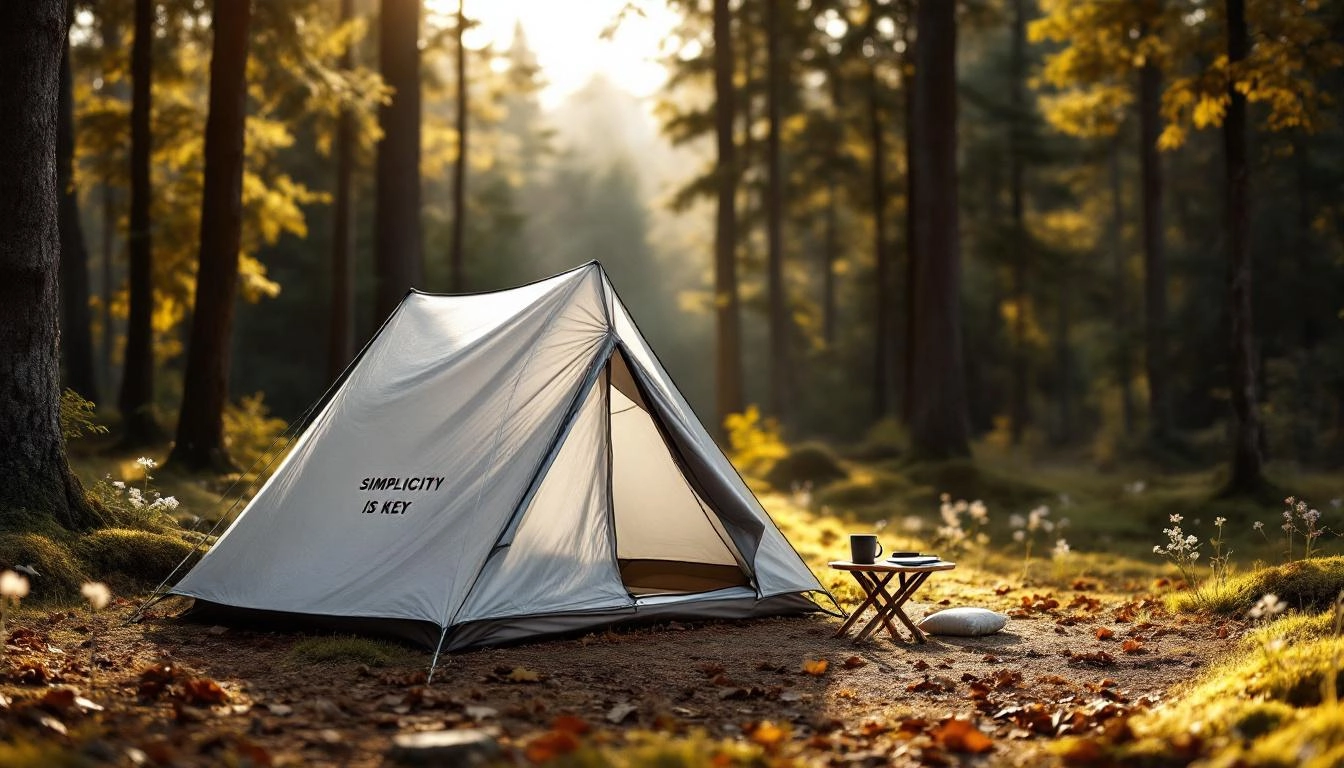
With a minimalist approach, your campsite is functional and clean. A compact shelter. One cooking system. A small seating pad instead of bulky chairs. If a comfort item doesn’t significantly improve rest or safety, you question it. Is that extra blanket worth the space? Maybe in October. Probably not in July. For a deeper breakdown of minimalist vs conventional camping differences, consider how each style approaches gear volume and campsite setup.
Who It’s Best For (and Who It’s Not)
Minimalist camping fits busy professionals, solo campers, and budget travelers who don’t want to manage piles of gear. If you dread packing more than hiking, this style will feel freeing.
It may not suit someone who sees camping as setting up an elaborate outdoor living room. And that’s fine. The goal isn’t to win an efficiency award. It’s to match your gear to your actual needs.
Core Principles of Minimalist Camping
Intentional Packing: Every Item Has a Job
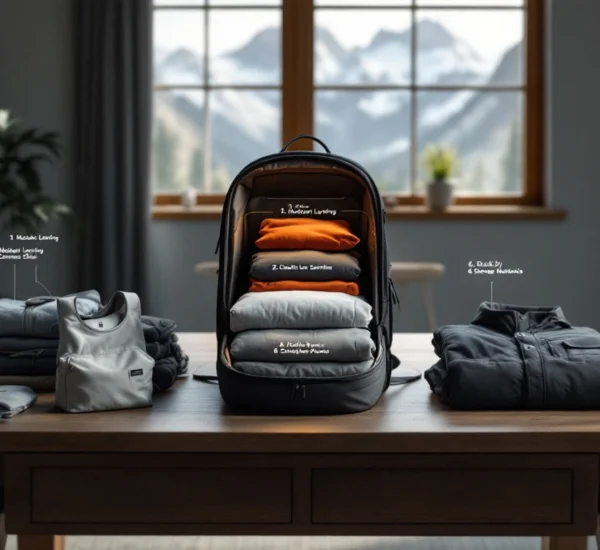
Lay all your gear on the floor before a trip. Pick up each item and ask, “What problem does this solve?” If you can’t answer in one sentence, consider leaving it.
A quick rule: if an item doesn’t address a realistic weather, health, navigation, or food-related issue, it’s optional. Optional items are the first to go. Many campers refine this mindset after comparing traditional packing habits with a minimalist camping approach.
Lightweight Without Being Unsafe
Cutting weight never includes cutting safety. You don’t skip rain protection because the forecast looks good. Weather shifts. Temperatures drop after sunset. If rain hits at 2 a.m., your shelter system needs to hold.
At minimum, carry:
- Reliable weather protection
- Navigation (map, compass, or GPS device)
- Headlamp or light source
- Basic first aid
If removing an item would create real risk in a simple setback—like a twisted ankle or sudden storm—put it back in your kit.
Respect for Nature and Simplicity
Minimalist camping pairs naturally with Leave No Trace principles. Fewer items mean fewer impacts. Review the official Leave No Trace 7 Principles before major trips and apply them on site.
For campsite rules and regulations, check current guidance from the U.S. National Park Service camping page or your managing land agency. Fire restrictions and food storage rules change, especially during dry seasons.
7 Stunning Minimalist Camping Ideas for 2026 Trips
1. One-Night Micro-Adventures Near Home
Pick a state park within an hour. Pack a slimmed-down kit and treat it as a test. If you forget something minor, you’re close enough to adjust next time. This is where beginner minimalist camping becomes practical, not theoretical.
2. Shoulder-Season Coastal Camps
Early spring or late fall means fewer crowds. Wind is your main factor. A lighter shelter works—if it’s well-anchored. If gusts are in the forecast, prioritize stability over shaving ounces.
3. Bike-to-Camp Weekends
When gear rides on your bike, bulk disappears fast. You’ll quickly learn what’s essential. Check local food storage guidelines and secure meals away from wildlife areas.
4. Backcountry Permit-Based Parks
Permit systems naturally limit overpacking. You carry everything farther. Reserve through official systems like Recreation.gov and review area-specific rules before 2026 peak seasons.
5. Desert Minimalist Overnights
Water planning is non-negotiable. Identify sources in advance and confirm whether treatment is required. If water access is uncertain, carry more than your comfort minimum. In dry landscapes, minimalism never means underestimating hydration.
6. Forest Hammock Setups
Hammocks reduce tent bulk but depend on tree spacing. Arrive and scan your site before unloading. No suitable trees? You need a ground backup plan.
7. Cold-Weather Light Trips (With Boundaries)
Cold exposes weak planning. Don’t under-pack insulation to chase a lighter base weight. If the forecast is borderline or unpredictable, scale back ambition. Choose a site close to your vehicle or trailhead.
Minimalist Camping Gear: What You Actually Need
Shelter & Sleep System
A lightweight tent or tarp, appropriate stakes, and a groundsheet if needed. Your sleeping bag rating should match expected lows—verify manufacturer ratings and consider your own cold tolerance. A sleeping pad is not optional; ground insulation often matters more than bag thickness.
Clothing Strategy (Layering Over Bulk)
Pack layers, not duplicates. One spare base layer. One insulating layer. One weatherproof shell. If conditions are stable, you don’t need three extra shirts “just in case.”
Food & Water Basics
Plan simple one-pot meals. Oats in the morning. Rice or pasta with protein at night. Overpacking food is the most common beginner mistake.
Confirm water safety guidance through official resources such as the CDC’s healthy camping guidelines. Identify your source and treatment method before leaving home.
Safety, Regulations, and Leave No Trace Basics
Campsite Rules Vary by Location
Fire bans, food storage requirements, and permit rules change by season. Check official park or forest pages a few days before departure. If fires are restricted, bring a reliable stove and know how to use it.
Weather Awareness for 2026 Trips
Watch seasonal trends during planning, but confirm the forecast within 48 hours of your trip. If storms are likely and your shelter isn’t storm-worthy, adjust location or timing. Minimalism includes flexible decision-making, especially when weighing a minimalist setup against a more conventional camping kit.
Leave No Trace in Practice
Pack out all trash. Minimize campfire impact or skip fires entirely where discouraged. Camp on durable surfaces and respect wildlife space. These habits keep simple camping sustainable.
How to Plan Your First Minimalist Camping Trip
Step 1: Choose a Low-Risk Location
Look for short hikes, easy access, and clear regulations. Avoid remote zones for your first attempt.
Step 2: Build and Test a Minimal Kit at Home
Lay everything out. Remove 20 percent. Walk around your block with your loaded pack. Adjust straps. Notice what feels unnecessary.
Step 3: Run a “Worst-Case” Thought Experiment
What if it rains for six hours? What if you twist an ankle? If the absence of an item would turn a setback into a crisis, it belongs in your kit.
Checklist
- Shelter (weather-appropriate)
- Sleep insulation (ground pad matters)
- Water plan (source + treatment confirmed)
- Simple meal system
- Weather-appropriate layers
- Navigation + light source
- First aid basics
- Permit/reservation confirmation (if required)
Common Mistakes
- Confusing minimalist with unprepared
- Ignoring weather variability
- Not checking park regulations before departure
- Overcorrecting and bringing luxury backups “just in case”
- Skipping a gear test before a remote trip
Frequently Asked Questions
What is minimalist camping in simple terms?
It’s camping with fewer, carefully chosen items that serve clear purposes. You focus on safety, shelter, food, and navigation—then remove unnecessary extras.
What Is Minimalist camping compared to ultralight backpacking?
What Is Minimalist camping? It’s a flexible philosophy of reducing gear while staying comfortable and safe. Ultralight backpacking often involves strict weight targets and specialized equipment. Minimalist camping doesn’t require chasing numbers.
Is minimalist camping safe for beginners?
Yes, if you keep safety essentials and start small. Choose accessible locations and test your kit before attempting remote backcountry areas.
How much gear do I really need for a minimalist camping trip?
Enough to sleep warmly, stay dry, eat safely, navigate, and handle small injuries. Beyond that, evaluate items one by one and remove what doesn’t serve a defined purpose.
Can families try what is minimalist camping without sacrificing comfort?
Absolutely. Start by streamlining duplicates and bulky extras. Keep kid essentials but simplify cooking systems and shared gear. Comfort can coexist with simplicity.
What is the biggest mistake people make when starting minimalist camping?
Cutting safety items instead of cutting comfort clutter. The goal is thoughtful reduction, not bravado.
Conclusion
In the end, what is minimalist camping? It’s freedom through limits. It’s choosing to carry what truly matters and leaving behind what doesn’t. You move faster, set up quicker, and focus more on the trail, the shoreline, or the quiet forest around you. For 2026, start small. Plan a nearby overnight, trim five non-essential items from your current kit, and see how it feels. The heart of what is minimalist camping isn’t deprivation—it’s clarity. Pack intentionally, tread lightly, and let the trip, not the gear, be the highlight.