You know the feeling: you unzip your duffel at camp and it practically explodes across the tent floor. The hoodie is still damp from the drive, socks are everywhere, and half your trunk (or pack) is filled with clothes you won’t wear. Smart compact travel clothing for camping fixes that. With a few practical Lightweight clothing tips, you can cut bulk, stay comfortable in changing weather, and avoid hauling unnecessary weight in 2026. In this guide, you’ll learn how to choose better fabrics, build a simple layering system, pack fewer but smarter pieces, and fine-tune your setup so it works in real campsite conditions.
Table of Contents
- Why Compact Clothing Matters for Camping
- Tip 1: Choose High-Performance Lightweight Fabrics
- Tip 2: Build a Versatile 3-Layer Clothing System
- Tip 3: Pack Fewer Pieces That Do More
- Tip 4: Optimize for Weather and Season
- Tip 5: Minimize Bulk With Smart Folding & Storage
- Tip 6: Plan for Hygiene Without Overpacking
- Tip 7: Test and Refine Your Clothing Setup Before 2026 Trips
- Checklist
- Common Mistakes
- Frequently Asked Questions
- Conclusion
- Sources
Why Compact Clothing Matters for Camping
Clothing takes up more space than most campers expect. In a small tent, a pile of bulky sweatshirts can crowd out your sleep system. In a compact SUV, one overstuffed suitcase can block access to cooking gear.
Bulk vs. Mobility: Real Trade-Offs
Heavy, oversized clothes slow you down on short hikes and feel clammy after a brisk walk. Cotton hoodies, in particular, can stay damp long after the morning dew lifts. If your sleeves are still cool and wet 30 minutes after sunrise, that fabric is working against you.
The trade-off is simple: the more compact your setup, the easier it is to move around camp, dry gear, and keep your tent organized—a mindset closely aligned with the principles behind minimalist camping meaning and practical insights for 2026 trips.
Weight and Space in Real Setups (Tent, RV, Car Camping)
Backpackers feel every extra ounce. Car campers feel the clutter. RV campers may have more storage, but limited closet space still fills up quickly.
A quick rule: if your clothing bag takes up more room than your sleeping bag, reassess. Compact clothing should support your trip, not dominate your storage—especially if you’re embracing a minimalist camping philosophy focused on lighter packing.
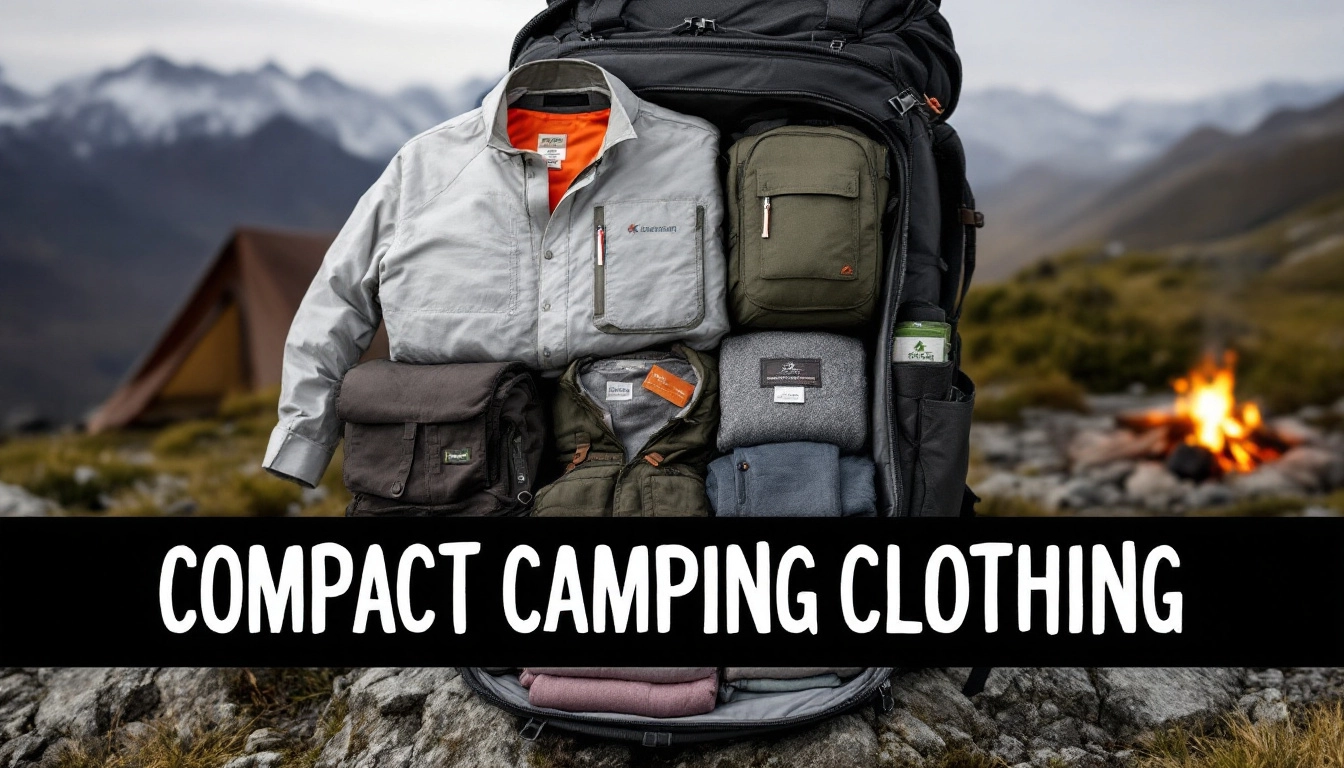
Tip 1: Choose High-Performance Lightweight Fabrics
The foundation of compact packing starts with fabric choice. The right materials dry faster, weigh less, and handle repeated wear better over a long weekend.
Moisture-Wicking vs. Cotton: What Actually Works at Camp
On a mild afternoon hike, you’ll build sweat—even on easy terrain. Moisture-wicking shirts move that sweat away from your skin and dry quickly once you slow down. Cotton tends to absorb and hold moisture, which can leave you chilly after sunset.
If you’re unsure, test it at home: take a 20-minute brisk walk, then hang both fabrics side by side. Notice which one feels dry first.
Fast-Dry and Odor Control Features
For multi-day trips without laundry access, quick-dry clothing makes a difference. You can rinse a shirt in the evening and often have it ready by morning if airflow is good. Always follow care labels and manufacturer guidance to protect fabric performance claims.
Durability vs. Ultralight Trade-Off
Ultralight fabrics pack down small—but they’re not invincible. If you’ll be hauling firewood, kneeling on rough picnic tables, or brushing past sharp branches, choose slightly sturdier weaves for outer layers. Saving a few grams isn’t worth tearing your only pair of trail pants on day one, particularly if you’re aiming for a lighter, minimalist camping setup that depends on fewer total garments.
Tip 2: Build a Versatile 3-Layer Clothing System
One of the most effective Lightweight clothing tips is to stop packing “outfits” and start packing layers. A simple three-layer system covers most campground conditions.
Base Layer for Temperature Regulation
Your base layer should fit close to the body and manage moisture. In warm conditions, it may be all you need during the day. If you feel sweat cooling quickly when you stop moving, that’s your cue to add insulation.
Insulation Layer for Cold Mornings
Early lakefront mornings can feel colder than forecast. A lightweight fleece or packable insulated jacket traps warmth without adding much bulk. Choose a piece that compresses easily and springs back into shape when unpacked.
Outer Shell for Wind & Rain
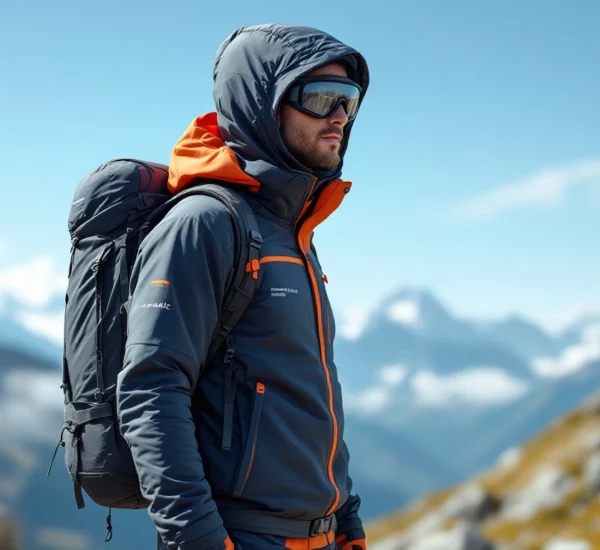
A compact weatherproof shell blocks wind and light rain. Look for adjustable cuffs and a hood that stays put in gusty conditions. Before any trip, review official weather guidance from trusted sources like Environment and Climate Change Canada weather forecasts or NOAA weather resources. If wind or storms are expected, your shell becomes essential, not optional.
Tip 3: Pack Fewer Pieces That Do More
This is the core principle of compact travel clothing for camping: every item should earn its place—an idea at the heart of understanding the true meaning of minimalist camping.
Color Coordination & Interchangeable Outfits
Stick to neutral base colors—gray, navy, earth tones—so tops and bottoms mix easily. Add one or two accent pieces if you like variety. That way, two tops and one bottom can create multiple combinations without extra bulk.
Convertible & Multi-Use Items
Convertible pants that zip into shorts reduce duplication. A buff can act as a neck gaiter, light hat, or dust cover on dry, windy days. Before packing, ask: can this serve at least two roles? If not, reconsider.
Quick Rule: 1 Spare, Not 3
For a typical weekend trip, aim for one spare base layer and undergarments—rather than a full extra outfit per day. Example: two tops, one bottom, one insulating layer, one shell. If something gets wet, rotate and air-dry instead of reaching for a brand-new set each time.
Tip 4: Optimize for Weather and Season
Weather shapes your clothing more than trip length does.
Checking Official Weather Sources Before Packing
Always check official forecasts close to departure. Regional park guidance and campground details can be found through Parks Canada or similar land management agencies for your destination. Conditions can vary by elevation and proximity to water.
Hot-Weather Lightweight Clothing Tips
In hot conditions, prioritize breathability and sun coverage. Long, lightweight sleeves can protect from sun exposure while allowing airflow. If you’re sweating heavily by mid-morning, shift to looser cuts that promote ventilation.
Cold-Weather Add-Ons Without Overpacking
Small items often deliver big warmth returns: lightweight gloves, a thermal hat, and warm socks. They pack small but can make early mornings much more comfortable. If nighttime temperatures dip unexpectedly, layering these accessories can extend the range of your existing setup.
Experience Cue
Campgrounds near lakes or at higher elevations often feel cooler at dawn and dusk. Even in summer, plan for noticeable swings between afternoon heat and evening chill.
Tip 5: Minimize Bulk With Smart Folding & Storage
How you pack matters almost as much as what you pack.
Rolling vs. Folding vs. Compression Bags
Rolling clothes reduces creases and helps you see everything at a glance. Folding works well for stiffer fabrics. Compression bags shrink bulk but can trap moisture.
If you use compression, only seal completely dry clothes. Otherwise, open the bag at camp to allow airflow.
Breathable Storage at Camp
A simple mesh sack or hanging line inside the tent vestibule can help damp items dry overnight. Avoid stuffing wet socks into airtight containers. If clothes still feel damp in the morning, move them to a breezier location after breakfast.
Tip 6: Plan for Hygiene Without Overpacking
Clean clothes matter—but you don’t need a fresh outfit for every day.
Quick-Dry Undergarments & Socks
Rotate between two or three pairs and rinse one while wearing another. Hang them where they get airflow but won’t drip into your tent. If drying conditions are poor, wring gently in a towel first to remove excess water.
Simple Camp Laundry Setup
If campground rules allow washing, use small amounts of approved soap and dispose of wastewater according to site regulations. Check official campground guidance through resources like Recreation.gov or local land managers before washing near water sources.
Common Mistake
Packing a full outfit per day “just in case” often doubles your clothing load. A simple rotation system usually covers real-world needs.
Tip 7: Test and Refine Your Clothing Setup Before 2026 Trips
Packing isn’t a one-time decision. It’s a process.
At-Home Trial Run
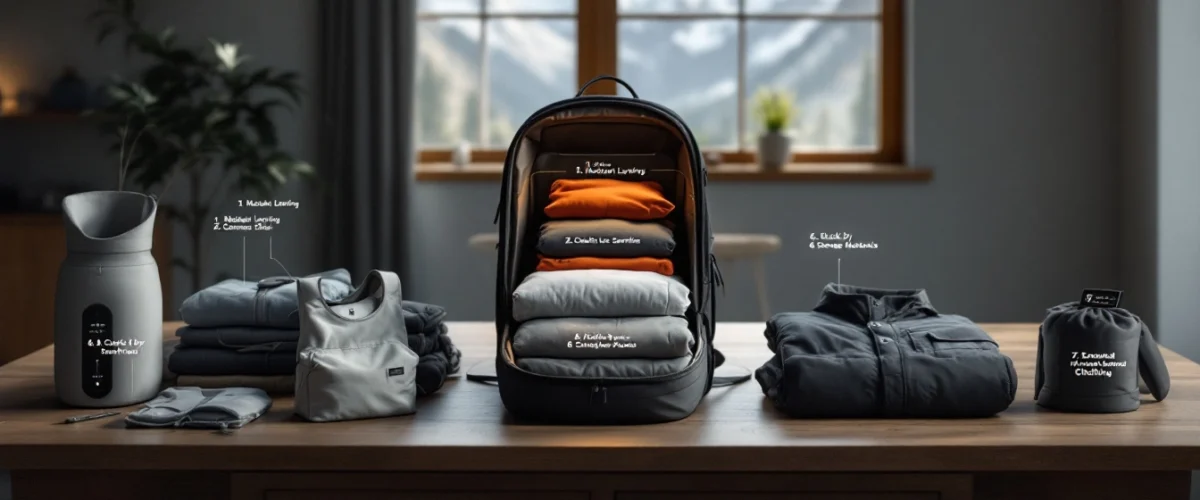
Pack your full clothing system into the exact bag you’ll use. If the zipper strains or you have to sit on it to close, remove one non-essential piece.
Short Local Test Trip
Try your setup on a one-night local campout. Notice what you actually wear. If a layer stays buried the entire time, ask yourself why.
Refinement Rule
After each trip, remove one unused item from your next packing list. Over time, your compact system becomes dialed in and highly personal.
Checklist
- 1 moisture-wicking base layer (plus 1 spare)
- 1 insulating layer (packable)
- 1 weatherproof outer shell
- 2–3 mix-and-match tops
- 1 versatile bottom (convertible if useful)
- 3 pairs quick-dry socks
- Compact sleepwear
- Minimal accessories (hat, buff, gloves if needed)
- Small laundry kit if allowed by campground rules
Common Mistakes
- Packing cotton hoodies for multi-day damp trips
- Ignoring official weather advisories
- Bringing multiple “backup” outfits
- Choosing fashion over function
- Storing wet clothing in sealed bags
- Not verifying campground regulations on soap use or drying lines
Frequently Asked Questions
What is the best compact travel clothing for camping in 2026?
The best compact travel clothing for camping focuses on lightweight, quick-dry fabrics and a simple layering system. Look for pieces that compress easily, dry overnight, and handle repeated wear without sagging or losing shape.
How many outfits do I really need for a weekend camping trip?
For most weekend trips, two tops, one bottom, one insulating layer, and a shell are enough—plus spare undergarments and socks. Rotate and air-dry instead of packing a fresh full outfit each day.
What are the most practical Lightweight clothing tips for hot-weather camping?
Choose breathable fabrics, consider lightweight long sleeves for sun protection, and prioritize airflow. Pack a brimmed hat and ensure you can add water easily if heat rises throughout the day.
Can compact travel clothing for camping work for both cold mornings and warm afternoons?
Yes. A proper three-layer system lets you add or remove pieces as temperatures shift. Start cool in the morning, shed insulation by midday, and add it back at dusk.
Are compression bags good for camping clothes?
They’re useful for saving space, especially in small vehicles, but only store fully dry clothing inside. Open them at camp to prevent trapped moisture.
How do I wash and dry lightweight camping clothes at a campground safely?
Follow campground and land management rules. Use minimal approved soap if permitted, avoid washing directly in natural water sources, and dry clothes where airflow is steady and respectful of campsite etiquette.
What fabrics should I avoid when packing lightweight clothing for multi-day trips?
Heavy cotton is usually the least practical choice for damp or variable conditions. It absorbs moisture and dries slowly compared to many synthetic or wool-based alternatives.
Conclusion
Smart compact travel clothing for camping isn’t about owning the fewest items possible—it’s about choosing versatile layers that handle real weather and real movement. Before your next trip, lay out your packing list and remove two items you don’t truly need. Test what remains, refine it, and build a system you trust. Over time, your clothing kit becomes lighter, simpler, and better suited to the way you actually camp.