You know the feeling. You haul your gear into camp, set up the tent, and by late afternoon your shirt is damp and clinging to your back. Then the sun dips, the breeze picks up, and that same shirt turns cold against your skin. Moisture-wicking camping clothes fix that problem fast. They manage sweat, dry quickly, and keep your body temperature more stable—without adding bulk to your pack. In this guide, you’ll learn 7 proven ultralight camping clothing layers tips that help you stay dry, comfortable, and realistic about what to bring. We’ll cover fabrics, layering systems, climate adjustments, odor control, and smart packing choices you can apply before your next trip.
Table of Contents
- Choose the Right Moisture-Wicking Fabrics
- Build a Lightweight Layering System That Actually Works
- Match Clothing to Climate and Activity Level
- Prioritize Quick-Dry and Odor Control for Multi-Day Trips
- Reduce Pack Weight Without Sacrificing Comfort
- Care, Washing, and Field Maintenance Tips
- Footwear and Sock Systems for Moisture Management
Choose the Right Moisture-Wicking Fabrics
Your comfort starts with fabric choice. Not all “athletic” shirts perform the same in the field. Some dry quickly but trap odor. Others feel soft but get heavy when wet. The best moisture-wicking camping clothes balance drying speed, durability, and temperature regulation as part of a smart ultralight clothing layering strategy.
Synthetic vs. Merino Wool: Real-World Trade-offs
Synthetics (polyester or nylon) dry quickly and tend to be budget-friendly. They’re reliable for high-output hikes and humid weather. The trade-off? They can hold odor after a full day of sweat.
Merino wool regulates temperature well and naturally resists odor. It’s excellent for multi-day trips where laundry isn’t possible. The downside is cost—and some ultralight versions require more careful handling.
Check the label before you buy. A blend (for example, merino with nylon) can add durability. Avoid thick “gym shirts” that feel heavy in your hand. If it feels weighty in the store, it’ll feel heavier when damp.
Why Cotton Fails in Moisture-Wicking Camping Clothes
Cotton absorbs and holds moisture. After a sweaty hike, it stays wet. When temperatures drop, that trapped moisture pulls heat from your body and increases chill risk.
There’s one exception: a dedicated cotton sleep shirt can be fine in warm, dry climates if you change into it when fully dry and stay in your sleeping bag. But as an active layer, cotton works against you.
Blends and Fabric Weight Basics
Lightweight fabrics are easier to layer and dry faster, but too thin can mean low durability under backpack straps. Hold the shirt up to the light. Slight transparency is fine; paper-thin usually isn’t.
Run your hand over the inside. If it feels textured or grid-patterned, it often helps move moisture outward. Tug gently at seams to check stitching strength—fraying now means failure later.
Build a Lightweight Layering System That Actually Works
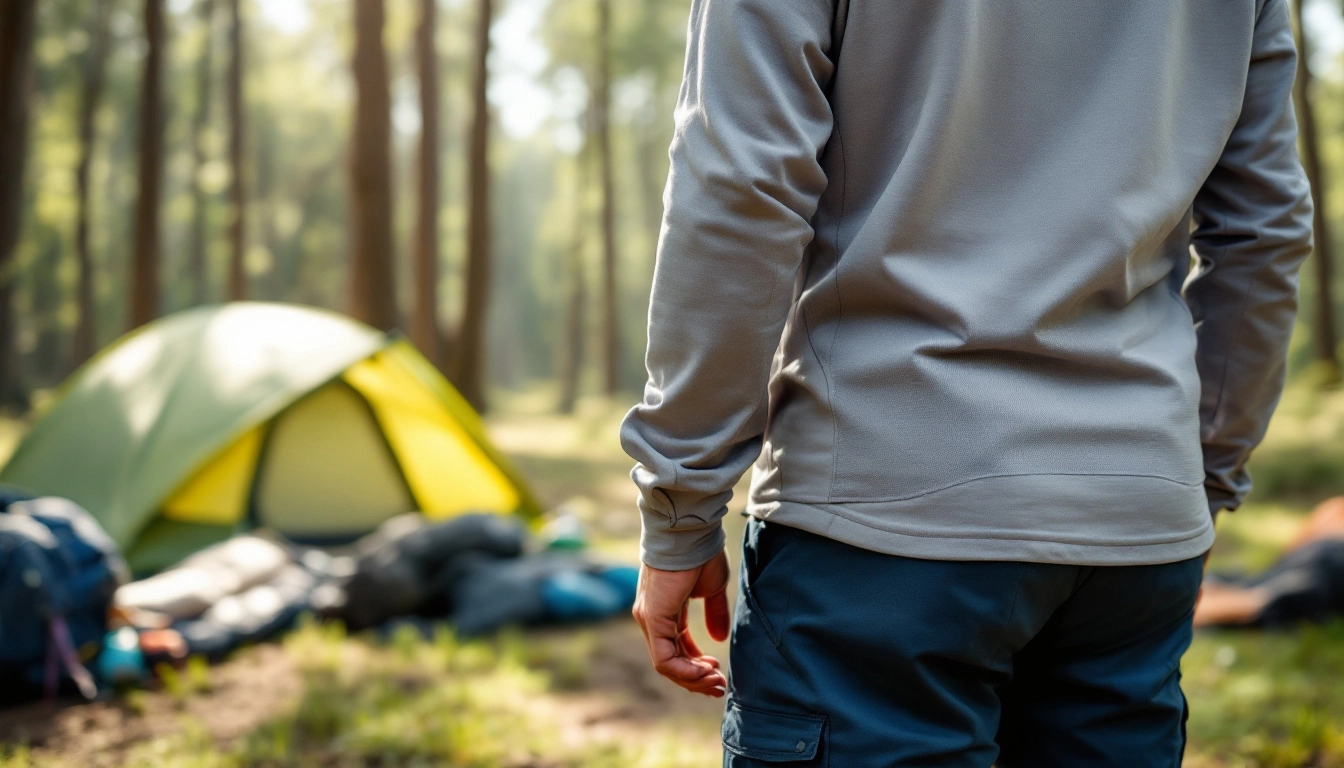
A smart camping layering system keeps you adaptable. You’re planning for movement, rest, wind, and unexpected weather—not just a single temperature reading. Following proven lightweight layering principles for backpackers makes it easier to adjust without overpacking.
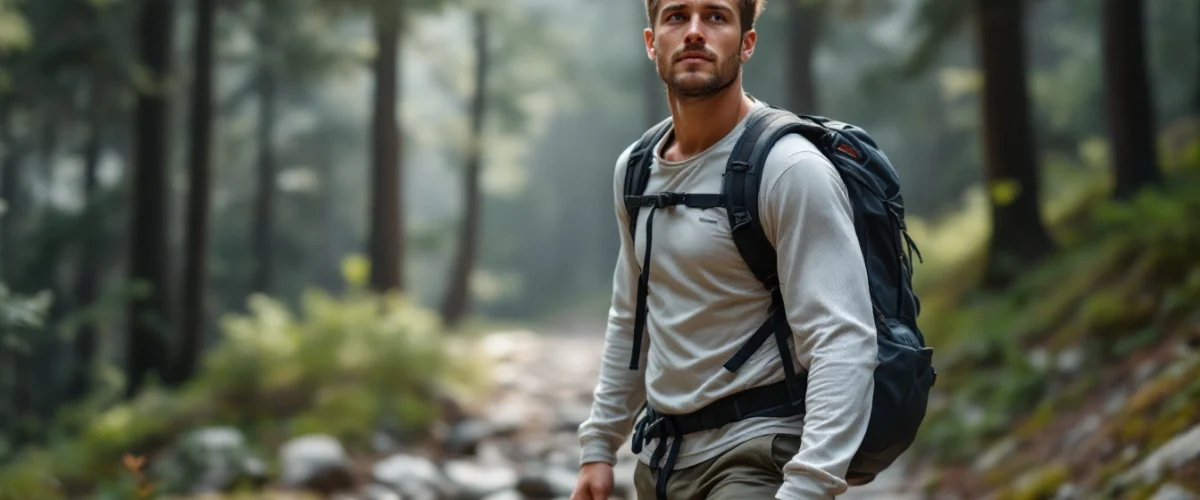
Base Layer: Moisture First
Your base layer should sit close to the skin without squeezing. Too tight restricts movement. Too loose limits moisture transfer.
Before packing, test range of motion. Do a squat. Reach overhead. Twist side to side. The hem shouldn’t ride up when you bend to stake your tent.
Mid Layer: Breathable Warmth
A lightweight fleece or active hoodie adds warmth without trapping moisture. Look for breathable panels or a full zipper for quick venting.
If you overheat easily, choose thinner insulation and rely on your shell for wind protection instead of stacking heavy layers.
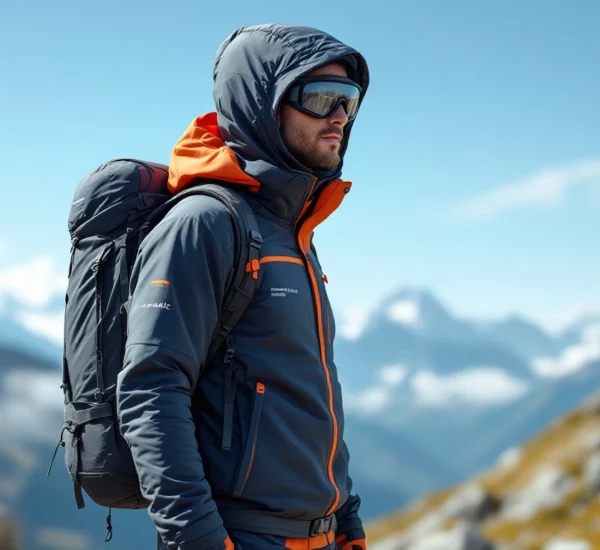
Outer Layer: Wind and Rain Shells
Your outer layer blocks wind and rain. Waterproof shells offer stronger protection; water-resistant options pack smaller and breathe better.
Before leaving, check official forecasts through a reliable source like the National Park Service trip planning and safety page or your regional weather service such as Environment Canada’s forecasts. If severe weather is possible, bring proper rain protection—even if it adds a few ounces.
Match Clothing to Climate and Activity Level
Clothing that works in dry mountain air might feel unbearable in swampy humidity. Adjust your choices based on both temperature and effort level.
Hot & Humid Camping
Choose loose-fitting, breathable camping shirts with strong airflow. Light colors reflect sun better during midday exposure.
For heat safety, review guidance from the CDC’s extreme heat safety page. Plan extra hydration breaks and expect afternoon storms in some regions. Quick-dry fabrics allow you to rotate a damp shirt out and let it air-dry under your tarp.
Cool Nights After Warm Days
Desert and shoulder-season trips often mean warm afternoons and chilly evenings. Always pack one more dry top than you think you’ll need.
If your hiking shirt is damp at sunset, change immediately before cooking dinner. Staying ahead of the chill is easier than warming up after you’re cold.
High-Output Activities (Hiking, Canoeing)
Focus on friction points: under backpack straps, inner thighs, and around waistbands. Seam placement matters.
On longer mileage days, carry a spare lightweight shirt in an accessible pocket. Swapping into a dry layer at lunch can reset your comfort for the afternoon stretch.
Prioritize Quick-Dry and Odor Control for Multi-Day Trips
When laundry isn’t available, your clothing system needs to recover overnight.
Drying Clothes at Camp
Airflow works better than direct heat. Set up a ridgeline under your tarp or between two trees. Avoid laying garments flat on damp picnic tables—they’ll absorb moisture from below.
Never drape clothing directly over a campfire. Synthetic fabrics can melt, and sparks travel farther than you think.
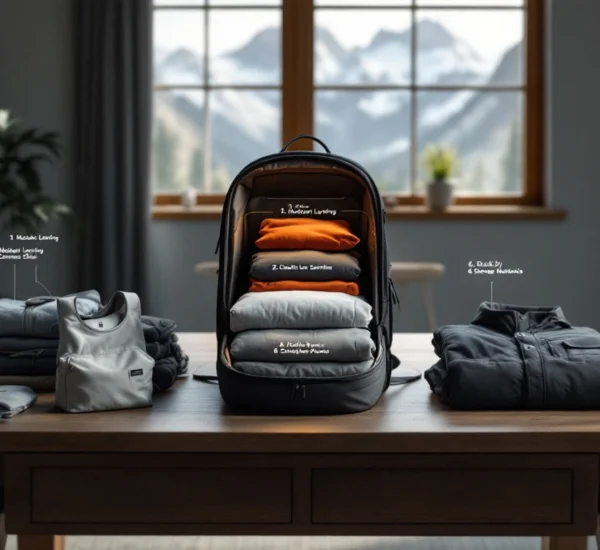
Rotating Outfits with Minimal Pieces
A simple system:
- 1 shirt worn during activity
- 1 shirt drying or resting
- 1 dedicated dry sleep layer
This rotation covers most three-day trips. If odor tolerance is low, choose merino or blends for your primary top.
Managing Odor Without Laundry Access
Air clothing out overnight. Turn garments inside out to expose sweat zones.
Avoid fragrance-heavy sprays in wildlife areas. Follow local regulations and Leave No Trace guidance such as the 7 Principles from the Leave No Trace Center for Outdoor Ethics when washing or disposing of wastewater.
Reduce Pack Weight Without Sacrificing Comfort (Lightweight Clothing Tips in Action)
One of the smartest ultralight hiking clothing adjustments is to pack versatile pieces instead of full duplicate outfits.
Multipurpose Pieces
A sun hoodie can double as a sleep layer. Convertible pants offer flexibility, but check the zipper seams—some create pressure under a hip belt.
Try everything on with your full pack. Walk around the block. If something bunches or rubs now, it’ll feel worse at mile six.
Set a Clothing Weight Budget
Weigh your clothing at home using a kitchen scale. Seeing the numbers changes packing habits quickly.
After your third full outfit, returns diminish. Extra pieces rarely outweigh the comfort of a lighter load.
When to Spend More (and When Not To)
Invest first in a quality base layer and moisture-wicking socks for hiking. These sit against your skin and influence comfort most.
You can save on secondary layers if they fit well and perform reliably.
Care, Washing, and Field Maintenance Tips
Good care keeps technical fabrics performing season after season.
Hand Washing at Camp (Leave No Trace Aware)
If washing at camp, use minimal biodegradable soap and dispose of wastewater properly. Review Leave No Trace principles before your trip. Keep wash water away from streams and lakes.
Protecting Fabric Performance
Avoid fabric softeners—they coat fibers and reduce wicking performance.
Air dry whenever possible. High dryer heat can break down elastic fibers over time.
Footwear and Sock Systems for Moisture Management
Your shirt gets attention, but your feet do the real work.
Moisture-Wicking Socks vs Cotton Socks
Cotton socks hold sweat and increase blister risk. Moisture-wicking socks move sweat away from your skin and dry faster.
On long hikes, change into a dry pair at midday. Even a quick swap during lunch can prevent hot spots from turning into blisters.
Ventilated vs Waterproof Footwear
Waterproof footwear helps in wet climates but can trap heat during hot, dry trips. Ventilated shoes breathe better yet allow water entry.
Choose based on terrain and forecast—not marketing promises.
Checklist
- Choose non-cotton base layers
- Plan 2–3 top rotation system
- Pack one dedicated dry sleep layer
- Test layering range of motion before trip
- Bring at least one extra pair of moisture-wicking socks
- Check weather forecast via official source 48 hours before departure
- Avoid fabric softeners before trip
Common Mistakes
- Packing heavy cotton hoodies “just in case”
- Bringing too many complete outfits instead of interchangeable layers
- Ignoring evening temperature drops
- Forgetting sun and wind exposure
- Not testing footwear with chosen socks beforehand
Frequently Asked Questions
Are moisture-wicking camping clothes really better than cotton for weekend trips?
Yes. Even on short trips, sweat happens. Moisture-wicking camping clothes dry faster and reduce that cold, damp feeling once activity stops. Cotton holds moisture and increases discomfort when temperatures change.
What are the best Lightweight clothing tips for hot summer camping?
Choose breathable fabrics, wear loose cuts, rotate shirts daily, and carry an extra dry top for evenings. Prioritize airflow and sun protection over heavy insulation.
How many moisture-wicking camping clothes items do I actually need for a 3-day trip?
Most campers do well with two active shirts and one dedicated sleep layer, plus extra socks. Adjust upward for extreme humidity or very high mileage days.
Is merino wool worth the higher cost for camping?
If you’re on multi-day trips without washing access, merino’s odor resistance and temperature control can justify the cost. For shorter trips, synthetics may serve you just fine.
Can I wash moisture-wicking clothes at a campsite safely?
Yes, but follow Leave No Trace practices. Wash away from natural water sources and dispose of wastewater properly to protect the environment.
Do moisture-wicking socks really prevent blisters?
They help by reducing moisture and friction. Combined with well-fitted footwear and timely sock changes, they significantly lower blister risk.
What’s the best layering system for unpredictable weather?
A three-part system: moisture-managing base layer, breathable insulating mid-layer, and protective shell. Adjust as conditions change instead of hiking in all layers at once.
Conclusion
Here’s the recap: choose non-cotton fabrics, build a flexible layering system, match clothing to climate and activity, rotate quick-dry tops, pack multipurpose pieces, maintain your gear properly, and upgrade your sock system. These 7 proven Lightweight clothing tips improve comfort, reduce pack weight, and help you stay prepared when temperatures shift. Before your next trip, lay out your current gear and reassess your moisture-wicking camping clothes. Remove one heavy item, add one smarter layer, and head out knowing your clothing will work with you—not against you.