Mile five is when you feel it. The pack that seemed fine at the trailhead suddenly pulls at your shoulders, and you start mentally auditing every item inside. Too often, it’s the cook kit that’s quietly overbuilt. In 2026, smart ultralight camp cooking gear isn’t about chasing the lightest titanium cup on the market—it’s about building a balanced system. These seven practical Lightweight cookware tips will help you shave weight responsibly, match your gear to your meals, and avoid common backcountry mistakes. You’ll learn how to choose materials, pair stoves and fuel, refine packability, and dial in a setup that fits your trip—whether that’s a fast overnight or a week off-grid.
Table of Contents
- Why Ultralight Camp Cooking Gear Matters in 2026
- Tip 1–2: Choose the Right Materials & Cooking Style
- Tip 3–4: Optimize Weight Without Sacrificing Function
- Tip 5: Smart Fuel & Stove Pairing
- Tip 6: Packability, Nesting & Multi-Use Strategy
- Tip 7: Safety & Leave No Trace Considerations
Why Ultralight Camp Cooking Gear Matters in 2026
Backpacking styles have shifted. Some hikers go stoveless. Others cook real meals deep in the backcountry. The right minimalist camping cookware and ultralight cooking gear setup depends less on trends and more on how you travel.
Weight vs. Efficiency: The Real Trade-Off
Shaving 40 grams looks good on paper. But if that weight savings means burned food, longer boil times, or bent hardware halfway through a trip, it’s not a win.
Before trimming essentials, ask:
- How many days between resupply?
- Will I actually cook, or just rehydrate meals?
- Is durability more important than the last ounce?
On a weekend loop, a minimal pot works fine. On a 7-day stretch, reliability matters more than marginal weight savings. Efficiency reduces fuel use—and sometimes that’s the bigger weight factor.
Changing Trip Styles (Thru-Hikes, Overnights, Bikepacking)
A thru-hiker chasing miles often runs a boil-only minimalist cook kit. A bikepacker with more load capacity may carry a wider pot for actual cooking. An overnight hiker might not need a stove at all.
Quick rule: If 90% of your meals just need boiling water, simplify everything. Small pot. Simple ultralight backpacking stove. Tight system.
If you’re simmering rice or pasta regularly, prioritize stable cookware and flame control.
Seasonal & Regional Factors
Shoulder-season and cold-weather trips shift the equation. Canister fuel pressure drops in colder temperatures, affecting performance. Wind also increases fuel use dramatically. Plan extra margin if you expect low temperatures or exposed camps.
Always confirm fire and stove regulations for your destination. The National Park Service backcountry guidance and current fire rules through the U.S. Forest Service fire restrictions page should be checked before you rely on any stove system.
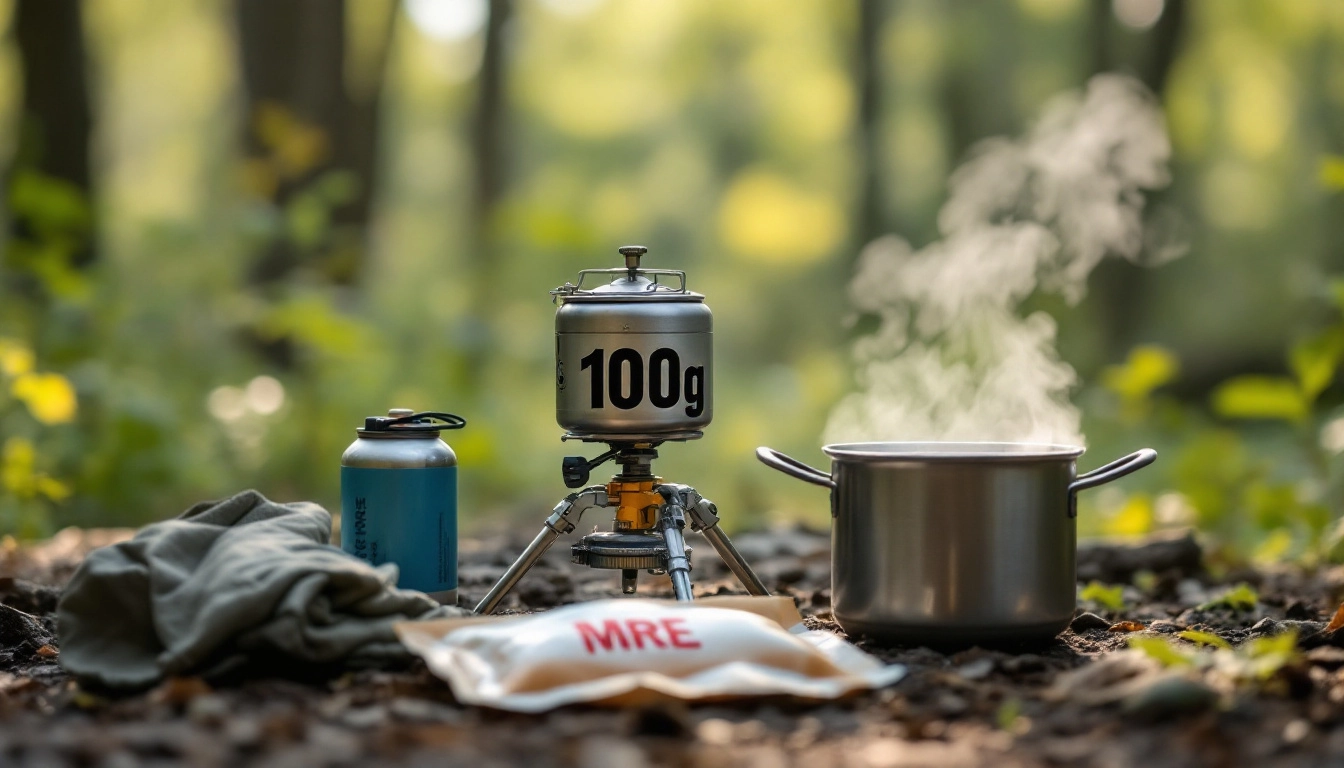
Tip 1–2: Choose the Right Materials & Cooking Style
Titanium vs Aluminum vs Stainless Steel
Titanium camping cookware is light and durable. It excels for boiling water fast. But it distributes heat unevenly. Try simmering oatmeal directly in a thin titanium pot and you’ll see how fast it scorches.
Aluminum spreads heat more evenly and usually costs less. It’s better for actual cooking. The trade-off is slight weight gain.
Stainless steel is tough and affordable, but considerably heavier. It’s rarely ideal for modern ultralight camp cooking gear unless durability outweighs weight concerns.
If you primarily boil water: titanium makes sense. If you cook meals from raw or dehydrated ingredients: aluminum often performs better.
Match Cookware to Your Actual Menu
This is where many hikers overspend or overpack.
- Boil-in-bag meals: small 750–900 ml pot for solo hikers often works.
- Dehydrated meals in pouch: similar range.
- Rice, pasta, or one-pot meals: consider slightly wider base for stability and heat spread.
If you drink coffee and cook in the same pot, ask yourself: can you handle rinsing between uses in limited water conditions?
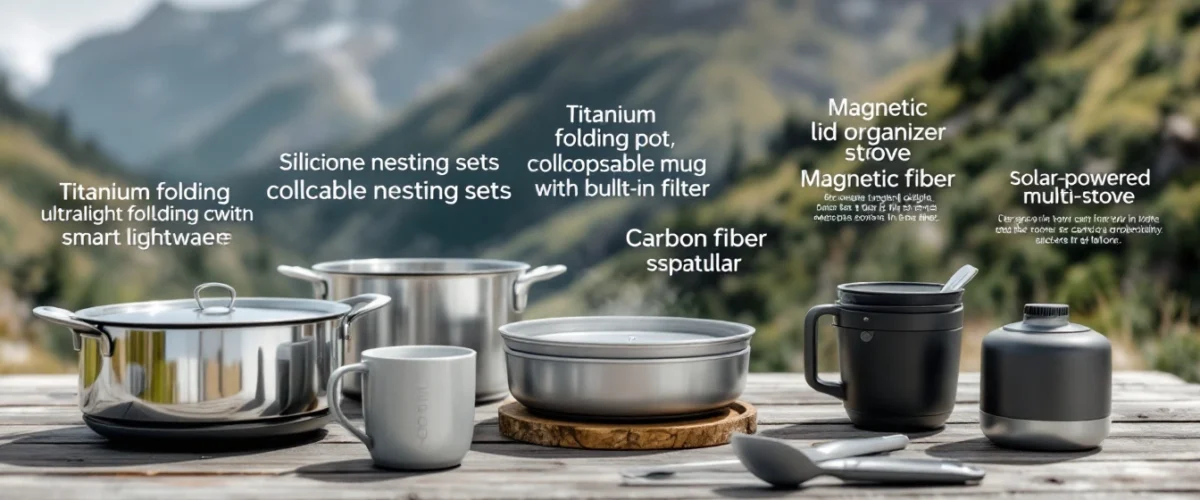
Minimalist Cook Kits Explained (Lightweight Cookware Tips)
The simplest setup is often the most effective:
- One pot with lid
- Small canister stove or alcohol burner
- Single long-handled spoon
That’s it.
One of the most dependable Lightweight cookware tips: eliminate redundancy. You don’t need a separate bowl if your pot works. You don’t need two utensils. Keep it intentional—and model your setup after proven ultralight cooking gear systems that prioritize simplicity.
Tip 3–4: Optimize Weight Without Sacrificing Function
Lids, Handles & Small Components That Add Up
Small parts quietly add weight. Heavy lids, bulky handles, thick stuff sacks.
Check your lid. If it’s overbuilt and you only boil water, a lightweight foil-style lid can reduce grams—provided it stays secure and safe for your use.
Test pot handles with gloves before committing. Cold fingers and thin wire handles aren’t a great match.
Integrated Systems vs Mix-and-Match
Integrated systems pack efficiently and often improve boil times. They’re simple and tidy—good for beginners.
But mix-and-match systems allow upgrades. Swap stoves. Change pots. Adjust fuel type. Long-term, modular setups can adapt better to evolving trip styles.
If budget matters, a modular approach spreads cost over time.
When to Go Mug-Only
Fastpacking trip. One night. Freeze-dried meals only. In these cases, a large insulated mug may be enough.
But in colder conditions where you may need to melt water or prepare extra hot drinks, capacity matters. Don’t undersize your container. Melting snow in a tiny mug is slow and inefficient.
Tip 5: Smart Fuel & Stove Pairing
Canister, Alcohol, or Solid Fuel?
Backpacking stove fuel types each have trade-offs:
- Canister: Fast, convenient, good flame control. Performance can drop in cold weather.
- Alcohol: Simple and light. Slower boil times and limited simmer control.
- Solid fuel tabs: Ultralight and compact. Noticeable residue and less precise cooking.
Transport regulations vary, especially when flying or crossing borders. Review official guidance such as Transport Canada’s dangerous goods regulations if applicable to your travel plans.
Wind Protection & Efficiency
A slight breeze can double your boil time. That means more fuel weight.
Use terrain—rocks, logs, dips in the ground—to shield your stove. If you carry a windscreen, ensure it’s compatible and safe for your stove type. Never enclose fuel canisters tightly with wind-blocking material unless designed for that purpose. Thoughtful pairings of pot, stove, and shield are outlined in many top-rated minimalist camping cookware guides, helping you boost efficiency without adding bulk.
Fire Restrictions & Stove Rules
Some regions restrict certain stove types during high fire danger periods. Always verify current rules through official channels, such as National Park Service and Forest Service pages, before departure. Regulations change more often than gear trends.
Tip 6: Packability, Nesting & Multi-Use Strategy
Nesting Systems That Actually Save Space
A good nesting system stores your stove and fuel inside your pot—without forcing it.
Test this at home with your full food load inside the pack. An empty pack test doesn’t tell the whole story. Food shifts space and changes fit.
Multi-Use Items
Smart multi-use saves real weight:
- Pot lid as plate.
- Bandana as potholder (only for low heat and dry handling).
- Food bag as pillow and storage.
Avoid unsafe improvisation. If something risks burns or spills, it’s not worth a few grams.
Solo vs Two-Person Adjustments
Two hikers don’t need two full cook kits. One slightly larger pot often weighs less than two individual minimalist setups combined.
Divide weight intentionally: one carries stove and pot, the other carries fuel and spoon.
Tip 7: Safety & Leave No Trace Considerations
Safe Handling & Burn Prevention
Find a stable, flat cooking surface before lighting your stove. If the ground is uneven, adjust it first. Test stability with the pot full of water—before ignition.
Avoid cooking inside tents or tight vestibules. Flame and carbon monoxide hazards aren’t worth the convenience.
Follow current guidance from official fire and backcountry sources when selecting and using stoves.
Leave No Trace Cooking Practices
Strain food particles from dishwater. Scatter wastewater broadly at a distance from camp and water sources according to the Leave No Trace 7 Principles.
Pack out scraps. Even small noodles or rice fragments attract wildlife.
Cleaning Without Damaging Ultralight Gear
Thin metals scratch easily. Skip abrasive pads. Use warm water, a soft cloth, or a small dedicated sponge.
Let cookware dry completely before packing to prevent odor and residue buildup.
Checklist
- Confirm trip length and group size.
- Decide: boil-only or real cooking?
- Choose cookware material aligned with your menu.
- Test nesting and pack with full food load.
- Verify fuel type allowed at destination.
- Review Leave No Trace dishwashing method.
Common Mistakes
- Buying the smallest pot without checking actual meal volume.
- Ignoring wind performance and fuel efficiency.
- Over-prioritizing grams over function on longer trips.
- Not confirming current local fire or stove regulations.
- Forgetting that sponge and cleaning supplies add weight.
Frequently Asked Questions
What is the best ultralight camp cooking gear setup for solo backpackers?
For many solo hikers, a 750–900 ml titanium or aluminum pot, a compact canister stove, and a single spoon form an efficient minimalist cook kit. Choose titanium if you mostly boil water, and aluminum if you cook simple meals directly in the pot.
Are titanium pots worth it for ultralight camp cooking gear, or is aluminum better?
Titanium saves weight and is extremely durable, making it ideal for boil-only systems. Aluminum distributes heat more evenly and is better for simmering. Your menu should dictate the material.
What are the most important Lightweight cookware tips for beginners?
Start with your meals. Match pot size to real volume needs. Prioritize wind protection. Verify regulations before you go. And test your full system on a short overnight before committing to a long trip.
How small can my pot be and still cook real meals?
Around 900 ml often works for solo real-meal cooking, but wider bases help with heat distribution. If cooking for two, moving up slightly in size usually improves efficiency without doubling weight.
Is alcohol fuel still practical for ultralight camp cooking gear in 2026?
Alcohol remains simple and lightweight, especially for fair-weather boil-only setups. However, it’s slower and less efficient in wind or cold. Check local fire regulations before relying on it.
How do I follow Leave No Trace principles when cleaning cookware in the backcountry?
Strain food particles, scatter wastewater away from camp and water sources, and pack out scraps. Follow the official Leave No Trace principles to minimize environmental impact.
Conclusion
The smartest ultralight camp cooking gear setups aren’t built around hype—they’re built around trips. Define your meals. Understand your environment. Trim redundancy instead of chasing extremes. Use these seven Lightweight cookware tips to audit what you already carry before buying something new. For deeper comparisons and curated recommendations, review a comprehensive minimalist camping cookware and ultralight cooking gear guide. Test your refined system on a short overnight, adjust what doesn’t work, and step onto your next trail confident that your ultralight camp cooking gear is balanced, efficient, and ready for real miles.