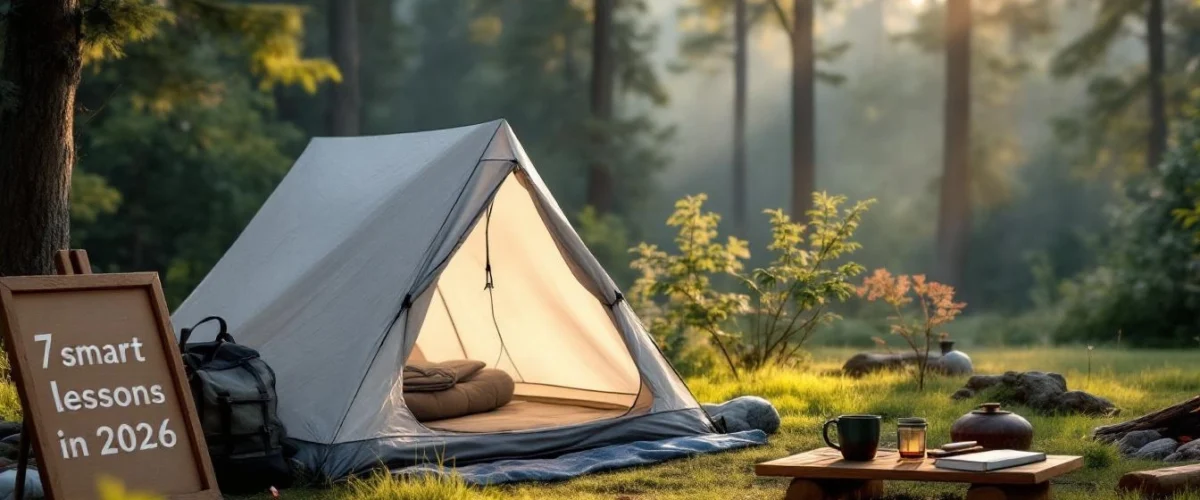
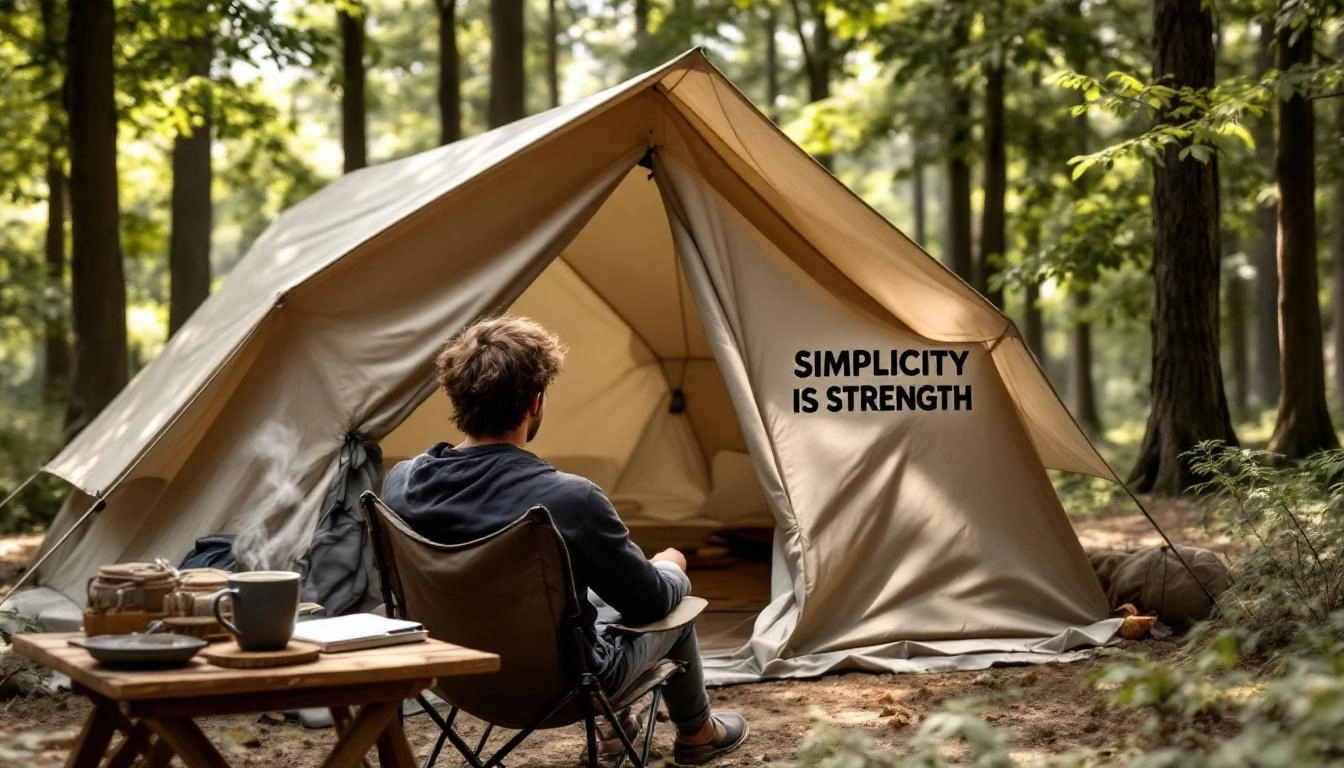
I’ve watched campers unload half a garage onto a picnic table—three coolers, duplicate stoves, spare tarps “just in case.” Two sites over, someone else steps out, pitches a small tent in ten minutes, and sits down with a mug while the evening light settles in. That contrast is the heart of the philosophy of minimalist camping. It isn’t about suffering or bragging rights. It’s a decision filter that keeps gear, time, and stress in check. If you’ve ever wondered What is minimalist camping and whether it’s realistic in 2026, this guide breaks it into seven practical lessons you can use on your very next overnight.
Table of Contents
- What Is Minimalist Camping? Start With the Right Definition
- Lesson 1: Pack With Purpose, Not Fear
- Lesson 2: Comfort Is Strategic, Not Excessive
- Lesson 3: Simpler Systems Reduce Risk
- Lesson 4: Leave a Lighter Footprint
- Lesson 5: Skills Replace Gear
- Lesson 6: Budget Freedom Through Fewer Choices
- Lesson 7: The 2026 Mindset Shift
What Is Minimalist Camping? Start With the Right Definition
What is minimalist camping? In plain terms, it’s choosing to live comfortably outdoors with deliberate limits. You take what you truly need, skip what you don’t, and accept small trade-offs in exchange for simplicity.
A Practical Definition (Not a Trend)
Minimalist camping isn’t ultralight racing, and it’s not survivalism. You’re not cutting toothbrushes in half. You’re asking one steady question before anything goes in the bin: Will this earn its space?
If you dread packing or spend more time unloading than exploring, your setup may be working against you. Minimalism trims that friction—especially when you understand the core principles behind minimalist camping.
Core Principles of the philosophy of minimalist camping
- Intentionality: Every item has a role.
- Sufficiency: Enough for safety and rest—no more.
- Adaptability: Simple systems that handle shifting weather or plans.
A quick field test: would you carry this item one kilometer from the car? If the answer is no and it’s not a safety tool, reconsider it.
Who It’s For (and Who It Might Not Suit)
This approach works well for weekend campers, solo hikers, couples, and small families who value time outside over elaborate camp kitchens. It can be tougher for large basecamps, deep-winter trips, or groups with mixed experience. In those cases, safety and warmth come first; scale down thoughtfully, not aggressively.
Lesson 1: Pack With Purpose, Not Fear
Most overpacking comes from “just in case.” Two spatulas. Extra boots. A second lantern because the first might fail. The fix isn’t bravery—it’s review.
The “Just in Case” Trap
After your next trip, lay everything out. Circle what you didn’t use. If an item stays untouched for two trips in similar conditions, it’s a candidate for removal.
If the forecast is stable and you’ll be near your vehicle, you don’t need three backup layers. If storms are likely, keep a waterproof shell and insulation—drop the duplicates. This simple audit process clarifies the real meaning of minimalist camping in practical terms.
Use a Personal Rule of Three
Lock in three non-negotiables:
- Shelter system
- Sleep system
- Food and water system
Everything else must justify weight, space, or effort.
Seasonal Reality Check (Safety)
Before cutting gear, verify conditions through an official forecast such as the National Weather Service forecast. Wind, overnight lows, and precipitation matter more than daytime highs. Never remove core safety items like a headlamp, adequate insulation, or navigation tools.
Lesson 2: Comfort Is Strategic, Not Excessive
Minimalism doesn’t mean discomfort. It means choosing comfort on purpose.
Identify Your One Comfort Priority
Bad back? Upgrade your sleeping pad. Love slow mornings? Bring a compact chair. Cook at camp as a ritual? Carry one quality pan.
Pick one comfort anchor. Let the rest stay simple.
Weight vs. Recovery Trade-Off
A slightly heavier insulated pad might improve sleep and reduce stiffness the next day. Test this. Notice how you feel at breakfast. Energy is part of your gear equation.
Small Upgrades That Don’t Break Minimalism
On rocky or wet terrain, a lightweight folding seat can protect hips and morale. But if the site has sturdy logs and dry ground, skip it. Let the environment guide decisions.
Lesson 3: Simpler Systems Reduce Risk
Complex setups fail in small, irritating ways. One missing connector and dinner stalls.
Fewer Moving Parts = Fewer Failures
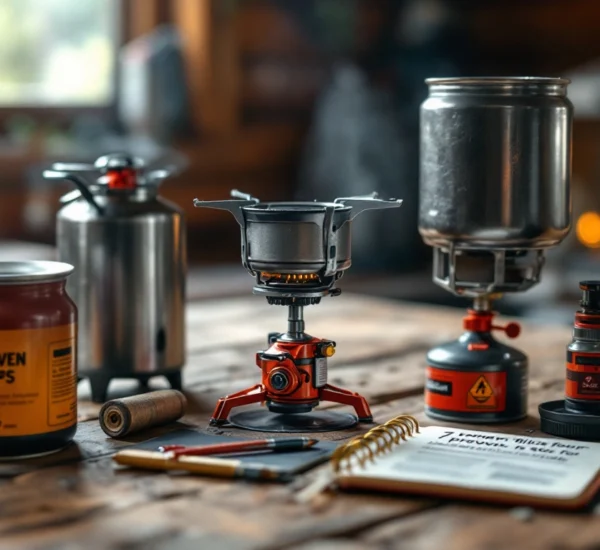
A single-burner stove and one-pot meals reduce setup time and cleanup. Count the steps required to cook. If it takes ten, simplify until it takes five.
Camp Setup in 15 Minutes or Less
Aim to pitch your tent and secure shelter quickly, especially if wind picks up. Practice in your yard before the first trip of the season. When rain starts, rehearsal matters.
Know the Local Rules Before You Strip Down Gear
If you plan to rely on a campfire for cooking, check regulations first. Fire restrictions change. Review official guidance from the National Park Service camping and safety page or, in Canada, Parks Canada camping guidelines. If fires aren’t allowed, keep your compact stove.
Lesson 4: Leave a Lighter Footprint
The lighter your setup, the lighter your impact tends to be.
Minimalism and Leave No Trace Go Together
Bring reusable containers instead of single-use packaging. Pack out all waste. Follow the Leave No Trace Seven Principles when choosing campsites and disposing of waste.
Food Planning That Reduces Waste
Pre-portion meals at home. Measure coffee before you leave. If you consistently return with extra food, reduce quantities next trip. Small adjustments prevent unnecessary hauling.
Check Campground or Backcountry Regulations
Some areas require bear-resistant storage or specific waste procedures. Confirm rules before you depart so your “minimal” system still meets local standards.
Lesson 5: Skills Replace Gear
When competence rises, pack weight falls.
Learn Instead of Lug
Practice a few reliable knots. Learn to tension a tarp correctly. Master two or three simple meals you can cook in one pot. Preparation reduces dependency on specialized tools. As your confidence grows, you’ll better understand the minimalist camping philosophy in action.
Navigation & Weather Awareness
Read terrain. Understand how wind moves through valleys. Check the forecast again the morning you leave. If conditions deteriorate, adjust—add insulation, shorten mileage, or delay departure.
Practice Before Going Remote
Test lighter setups close to home. Backyard trials reveal gaps without real consequences.
Lesson 6: Budget Freedom Through Fewer Choices
Owning less equipment often means spending less—and upgrading less often.
Buy Multi-Use, Not Trendy
A pot that doubles as a bowl. A buff that works as sun protection and warmth. If an item serves only one rare purpose, question it.
Avoid Constant Upgrading
Chasing minor weight savings can drain a budget. Durable, proven items beat hyped releases. Focus on function over grams.
When to Invest vs. When to Save
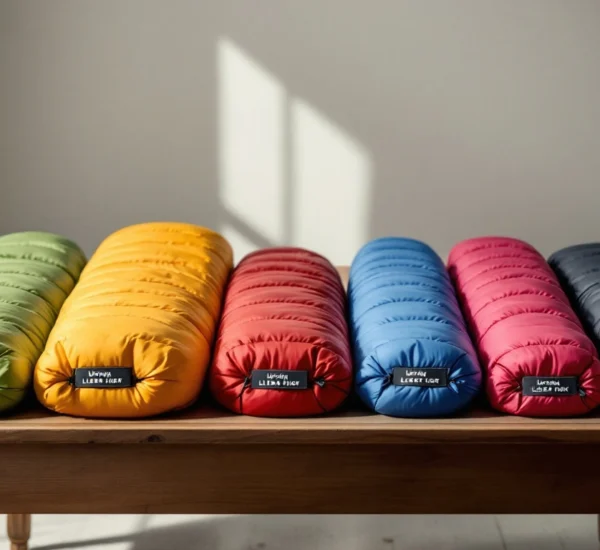
Invest in your sleep system. Quality rest compounds over every mile. Save on decorative extras.
Lesson 7: The 2026 Mindset Shift
Outdoor gear keeps getting lighter and more technical. That doesn’t mean your kit needs to grow.
Simplicity in a High-Tech Outdoor World
Choose technology that genuinely reduces effort—lighter shelters, reliable water filters—but resist stacking gadgets. If charging cables start multiplying, pause.
Digital Minimalism at Camp
Keep your phone for maps, weather, and emergencies. Then set it aside. A quiet evening does more for recovery than a screen.
Redefining Success Outdoors
Success isn’t a packed schedule. It’s a calm morning, quick cleanup, and no search for missing gear. After each trip, jot down what actually mattered. Trim the rest.
Checklist
- Shelter system (tested)
- Sleep system matched to forecast
- Simple cook kit (fuel verified)
- Weather-appropriate layers
- Headlamp
- Waste plan (bags, storage)
- Confirmed local regulations
- Forecast checked from official source
- One intentional comfort item
Common Mistakes
- Stripping gear without skill backup.
- Confusing discomfort with authenticity.
- Ignoring local fire restrictions.
- Packing trendy ultralight gear without testing.
- Failing to adjust for weather or terrain.
Frequently Asked Questions
How does the philosophy of minimalist camping work in real life?
It works as a filter. Before packing, ask whether each item improves safety, sleep, or nourishment. If not, it likely stays home. Over time, your kit becomes smaller, faster to set up, and easier to manage.
What is minimalist camping in simple terms?
It’s camping with only what you truly need to stay safe and comfortable, leaving behind excess gear that adds weight or stress.
How does the philosophy of minimalist camping differ from ultralight backpacking?
Ultralight often focuses on reducing weight to the lowest possible number. Minimalist camping focuses on intentional choices. Weight matters, but comfort, safety, and simplicity matter just as much.
Is minimalist camping safe for beginners?
Yes—if you reduce gear gradually and keep essential safety tools. Test lighter setups on short trips first and always verify weather and regulations before departure.
How do I decide what to cut from my packing list?
Review unused items after each trip. Remove duplicates, limit “backup” gear, and keep essentials for shelter, sleep, food, and safety.
Can families practice minimalist camping comfortably?
Absolutely. Focus on shared systems—one cook kit, one shelter setup—and prioritize sleep for everyone. Kids especially benefit from quick, low-stress routines.
Does minimalist camping mean giving up campfires or cooking options?
No. It means adapting to conditions and rules. If fires are restricted, rely on a simple stove. If permitted and safe, a small fire can still fit within a minimal setup.
Conclusion
The philosophy of minimalist camping isn’t about limits—it’s about clarity. When your gear is intentional, your attention shifts to weather patterns, trail sounds, and unhurried mornings. Start small on your next trip. Remove one “just in case” item and refine one system. Then notice the difference in setup time and stress. Over time, the philosophy of minimalist camping becomes less about what you carry and more about how you move through the outdoors—with purpose, confidence, and a lighter touch.