You’ve seen it at the trailhead: one car stuffed to the roof, bins stacked high, someone hunting for the mallet while daylight fades. Two sites down, a camper pulls out a small tent, unrolls a pad, and is cooking in ten minutes. That contrast captures the minimalist camping meaning in real life. It’s not about roughing it for pride—it’s about reducing gear and complexity while keeping the essentials for shelter, sleep, food, and safety. So What is minimalist camping in practical terms? It’s camping with intention. In this guide, you’ll learn how to simplify safely, what to keep, what to skip, and seven smart insights for 2026 camping—from tighter campground rules to rising costs and gear overload.
Table of Contents
- What Is Minimalist Camping?
- Minimalist Camping Meaning vs Traditional Camping
- 7 Smart Insights for 2026 Camping
- Essential Minimalist Camping Gear List
- How to Plan a Minimalist Camping Trip
- Safety, Sustainability, and Campsite Rules
What Is Minimalist Camping?
What is minimalist camping at its core? It’s a stripped-down approach that focuses on function over frills. The minimalist camping meaning is simple: carry and use only what you truly need for shelter, sleep, meals, safety, and navigation—nothing more.
Simple definition in plain terms
Minimalist camping means reducing gear and setup time while maintaining comfort appropriate to the conditions. You’re not chasing scarcity. You’re choosing clarity. If an item doesn’t support warmth, weather protection, hydration, calories, first aid, or basic navigation, consider leaving it home.
Core principles: Less gear, more intention
Start with a quick reflection. Think about your last trip. What sat untouched for 48 hours? Camp oven? Extra lantern? A second camp chair? Those are easy cuts.
- If it serves two purposes, it earns a spot.
- If it only adds comfort in ideal weather, reconsider it.
- If conditions change and safety is at risk, pack the item.
Minimalism never removes insulation in cold forecasts or rain protection in unstable weather. Keep the safety layer. Trim the redundancy. For a broader perspective, explore the difference between ultralight and heavy camping with 7 smart tips to see how gear philosophy shifts across styles.
Who it’s for (and who it’s not for)
Beginner campers can try minimalist principles in developed campgrounds first. It’s also ideal for solo or two-person trips where mobility matters.
It’s not the right time to experiment during extreme cold, high winds, or your first remote backcountry outing. Comfort and skill level matter. If you’re camping with young kids, adjust. Lightening the load is great—only after basic needs are covered.
Minimalist Camping Meaning vs Traditional Camping
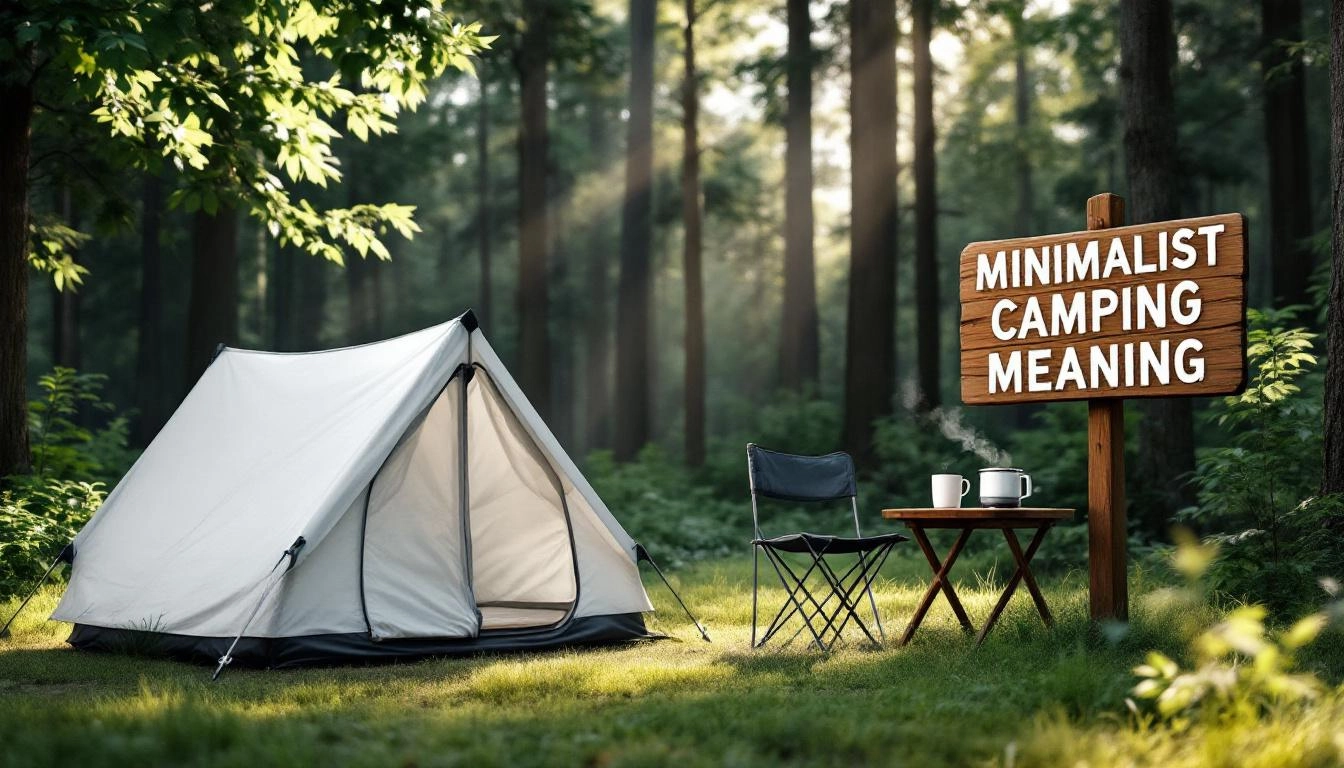
Traditional camping often grows into a mini outdoor living room—large tents, multiple coolers, lantern strings, extra tables. The minimalist camping meaning shifts the goal from building comfort infrastructure to keeping things efficient and portable.
Gear volume and setup time
A streamlined setup can take 15–20 minutes: pitch tent, inflate pad, stake rainfly, organize kitchen bin. Compare that to 60–90 minutes arranging tarps, screen houses, multiple cooking stations, and decorative lighting.
Understanding the key differences between ultralight and heavy camping styles can help you decide how much gear volume actually makes sense for your trips. Before your next adventure, check campsite pad size on official park pages like the National Park Service camping guide. Some sites are tighter than you expect. Oversized tents and canopies turn into a puzzle fast.
Cost differences over a season
Camping gear prices fluctuate, and trendy equipment adds up. Minimalist campers tend to invest in fewer, better-built multi-use items. One quality stove instead of a stove and separate grill. One durable shell instead of multiple mid-range jackets.
If you’re unsure whether cutting gear or upgrading strategically makes more sense, reviewing the practical contrasts between ultralight and heavy camping approaches can clarify long-term cost trade-offs. Before buying, ask: Does this replace something I already own, or is it another layer of convenience?
Comfort vs simplicity trade-offs
Minimalism isn’t stubbornness. Bringing one extra insulation layer when temperatures dip improves sleep and recovery. Carrying a compact headlamp for each person reduces stress after dark.
If “just one more item” enhances safety or significantly improves rest, pack it. If it just fills space in the trunk, skip it.
7 Smart Insights for 2026 Camping
1. Campsites are smaller and stricter than you expect
Many public campgrounds enforce clearer spacing, food storage, and quiet-hour rules. Review local policies before departure. In Canada, check Parks Canada camping information. Know tent pad sizes and vehicle limits.
2. Weather variability requires smarter layering, not more gear
Don’t rely on the nearest city forecast. Look at elevation and wind exposure. A three-layer clothing system—base, insulation, shell—handles most conditions without stuffing backup outfits in your bag.
3. Multi-use gear beats trendy single-purpose gadgets
A single titanium pot can boil water, cook pasta, and serve as your bowl. A buff works as sun protection, towel, and hat liner. Each dual-use item removes something else from your pack.
4. Lightweight doesn’t mean unsafe
Check manufacturer load ratings and weather limits. A lighter tent can still handle rain if properly staked and guyed. Practice at home so you know how it performs before real weather hits.
5. Fuel and fire rules vary widely
Fire restrictions change fast. Consult official sources like the U.S. Forest Service fire management page before leaving. If bans are active, rely on a camp stove and skip the fire pit entirely.
6. Digital minimalism improves the experience
Download offline maps. Keep your phone on low-power mode. Bring a simple backup power bank. Then put electronics away once camp is set. Fewer digital distractions mean more attention to weather, wildlife, and time.
7. Minimalism reduces decision fatigue
Fewer items mean fewer choices. You won’t spend 20 minutes deciding which chair to use or which snack bin to open. When rain moves in, you’ll know exactly where everything is.
Essential Minimalist Camping Gear List
Shelter and sleep system basics
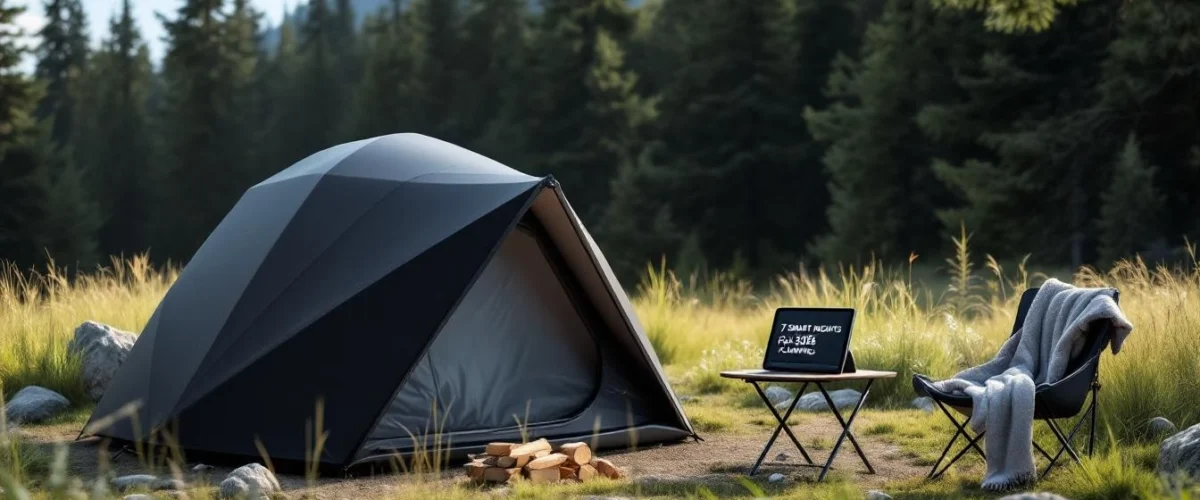
- Compact tent or weather-appropriate tarp
- Groundsheet or footprint
- Insulated sleeping pad
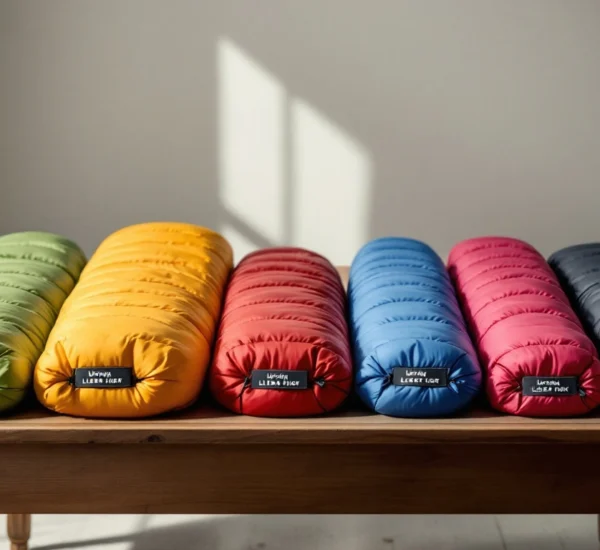
- Sleeping bag rated for expected lows
Test your sleeping pad’s insulation before shoulder-season trips. A cold night will undo all the benefits of traveling light.
Cooking and water essentials
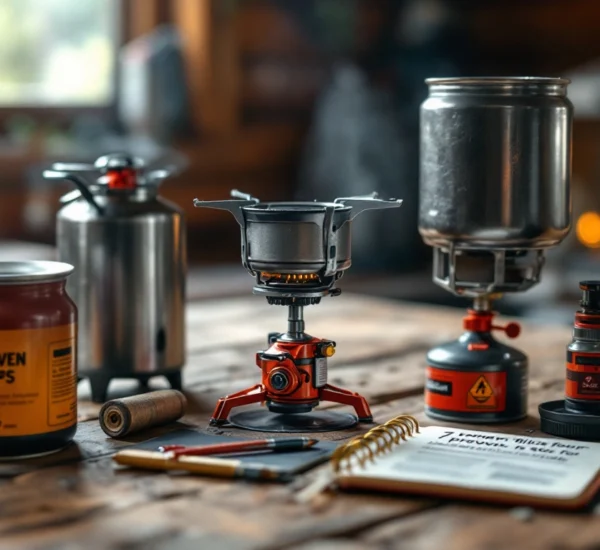
- Single-burner camp stove
- One pot with lid
- Reusable mug
- Water bottles and treatment method
Always follow safe water guidance such as the CDC’s recommendations for safe drinking water while traveling. When in doubt, filter or treat.
Clothing strategy: 3-layer simplicity rule
- Moisture-wicking base layer
- Warm mid-layer (fleece or insulated jacket)
- Waterproof or windproof shell
Common mistake: packing multiple “just in case” outfits. Stick to clothing you can layer and rotate. Campsites don’t require wardrobe changes.
How to Plan a Minimalist Camping Trip
Step 1: Choose the right campsite
Start with developed campgrounds close to home. Confirm terrain, facilities, and regulations ahead of time. Avoid extreme weather or difficult access routes on your first minimalist attempt.
Step 2: Build a needs-based packing list
Divide items into:
- Must-have: Shelter, sleep system, water, food, first aid.
- Multi-purpose: Items serving two or more roles.
- Optional: Comfort extras.
Lay everything out physically. Remove at least one item from each non-essential category. Aim to cut 20–40% of your usual load without touching safety.
Step 3: Test locally before committing
Try a backyard overnight or a nearby state park. Time your setup. Can you pitch shelter before dark in under 20 minutes? Adjust until you can.
Safety, Sustainability, and Campsite Rules
Leave No Trace basics
Minimalism pairs well with responsible camping. Review the 7 Leave No Trace principles and apply them consistently—plan ahead, dispose of waste properly, and leave campsites as you found them.
Wildfire and fire regulations
Always confirm current restrictions before departure. Conditions shift quickly. If signage at the entrance says no open flames, respect it immediately—even if online information looked different the day before.
Wildlife food storage and campsite etiquette
If you arrive and see food lockers, use them. Raccoons unzip unattended coolers. In bear country, follow posted storage requirements without exception. Minimalist camping reduces temptation to scatter snacks everywhere, which helps keep wildlife wild.
Checklist
- Define your purpose: overnight reset, weekend hike, family trip.
- Remove 20–40% of your typical packing list (safely).
- Choose multi-use gear whenever possible.
- Confirm campsite and fire rules before departure.
- Practice a fast setup at home.
- Pack for realistic weather ranges, not perfect forecasts.
Common Mistakes
- Cutting safety gear in the name of minimalism.
- Ignoring local fire or wildlife storage regulations.
- Overestimating your tolerance for cold or discomfort.
- Skipping practice setup before sunset.
- Confusing “cheap” with “minimal.”
Frequently Asked Questions
What is minimalist camping in simple terms?
What is minimalist camping? It’s camping with only essential gear for shelter, sleep, food, and safety—nothing extra that adds weight or complexity without serving a clear purpose.
What does minimalist camping meaning actually involve on a real trip?
The minimalist camping meaning involves packing intentionally, reducing duplicate gear, using multi-purpose items, and confirming regulations ahead of time. You arrive, set up quickly, cook simply, and focus more on the setting than the setup.
Is minimalist camping safe for beginners?
Yes—if you don’t cut safety corners. Start in developed campgrounds, check forecasts carefully, and keep essential layers and first-aid supplies.
How much gear do you really need for minimalist camping?
You need reliable shelter, an adequate sleep system, water treatment, food prep basics, weather-appropriate clothing, and safety items. Everything else is optional.
Does minimalist camping save money over time?
Often, yes. Buying fewer high-quality, multi-use items reduces impulse purchases and avoids accumulating unused gadgets.
Can you practice minimalist camping in national or provincial parks?
Absolutely. Just follow posted rules, size restrictions, and food storage requirements for each park.
What’s the difference between minimalist camping and ultralight backpacking?
Ultralight backpacking focuses heavily on reducing weight, often for long-distance hiking. For a detailed breakdown of gear priorities and philosophy, see the difference between ultralight and heavy camping explained with 7 smart tips. Minimalist camping applies simplicity principles whether you hike in or drive to a site.
Conclusion
The minimalist camping meaning comes down to this: pack intentionally, respect conditions, and keep what truly supports safety and comfort. It’s not deprivation—it’s clarity. When your setup is simple and your gear purposeful, you spend less time arranging camp and more time watching the light fade over the trees. Try one deliberately stripped-down overnight trip this season. Create a lean packing checklist, practice your setup, and see what you don’t miss. Chances are, you’ll come home lighter in more ways than one.