Most campers fall into one of two traps: they either pack so much that setup feels like moving house, or they strip things down so aggressively they spend the night cold and regretting it. The real definition of minimalist camping sits comfortably between those extremes. At its core, it means bringing only what you truly need to stay safe, comfortable, and self-reliant—nothing more. So, what is minimalist camping in practical terms? It’s a deliberate approach to camping that prioritizes essential gear, smart skills, and intentional choices over bulk and convenience. In this guide, you’ll find a clear definition, seven surprising facts shaping 2026, a starter checklist, and the common mistakes that can ruin your first minimalist trip.
Table of Contents
- What Is Minimalist Camping?
- Definition of Minimalist Camping Explained Clearly
- 7 Stunning Facts for 2026
- Minimalist Camping vs Traditional Camping
- How to Start Minimalist Camping Safely
- Who Should (and Shouldn’t) Try It?
What Is Minimalist Camping?
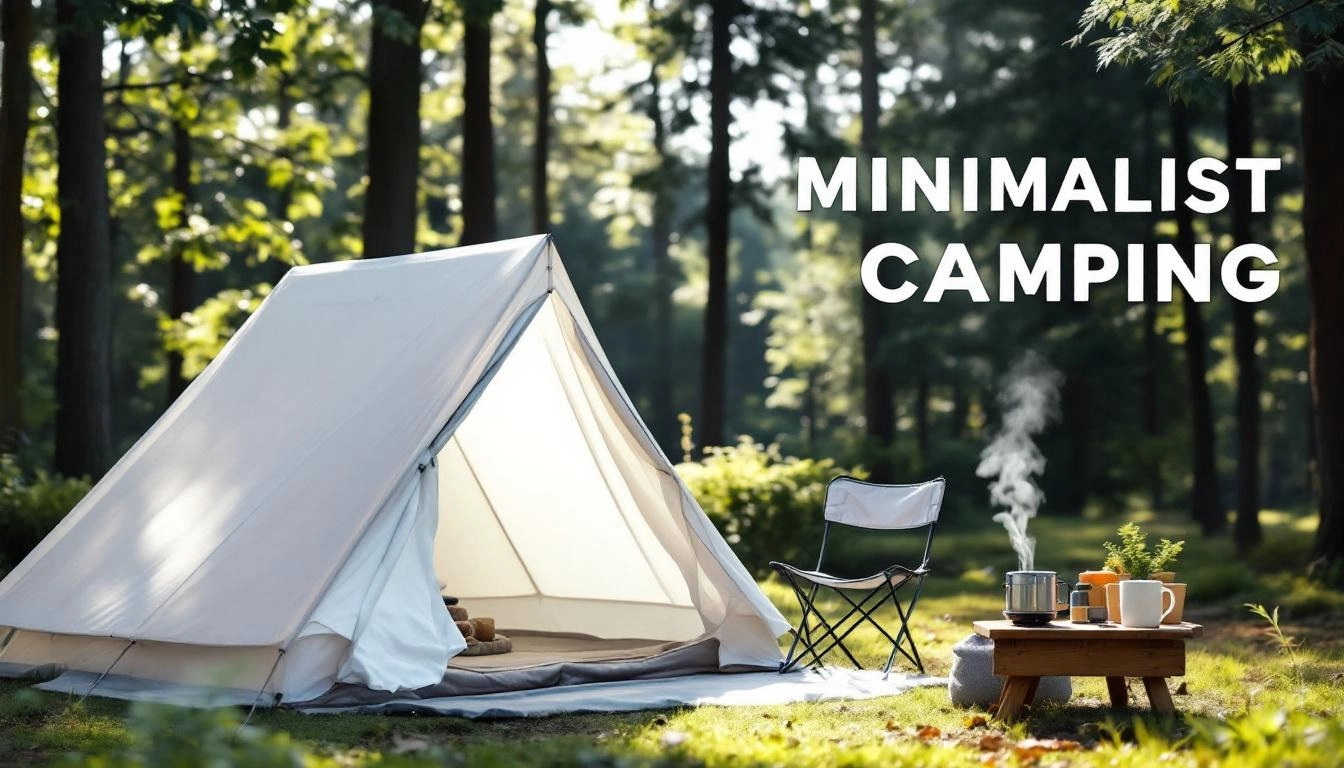
Ask ten campers and you’ll hear ten versions. Strip away the buzzwords and it becomes simple: minimalist camping is about carrying and using the least amount of gear necessary for a safe, enjoyable night outdoors.
A Simple, Practical Explanation (Not a Trendy Buzzword)
If your shelter fails in a storm, that’s unsafe. If you forgot a pillow, that’s uncomfortable. Minimalist camping draws a firm line between the two. You reduce excess comfort items, duplicate tools, and “just in case” luxuries—but you never cut essentials like weather protection, insulation, water access, or first aid.
It’s not survivalism. It’s not suffering for style. It’s clarity. Before packing something, ask: “If this item fails or stays home, am I unsafe—or just slightly annoyed?”
Core Principles Behind Minimalist Camping
- Intentional packing: Every item earns its place.
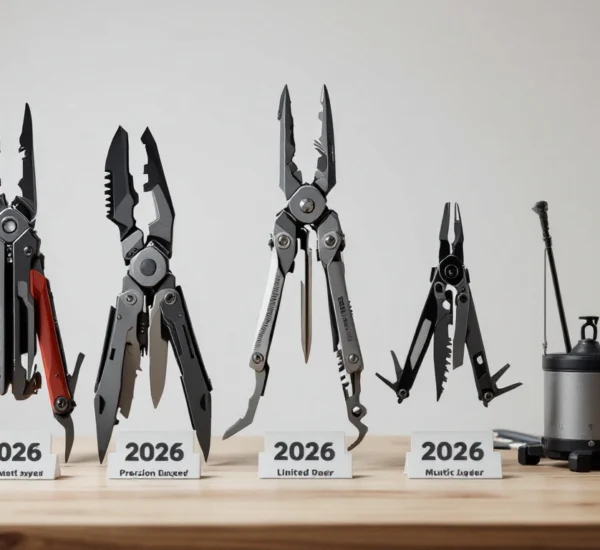
- Multi-use gear: A trekking pole that supports your tarp. A buff that works as sun guard, towel, and sleep mask.
- Skill over redundancy: Knots, site selection, and weather awareness reduce gear dependence.
- Respect for rules and land: Always check official guidance before your trip through sites like the National Park Service camping guidelines or Parks Canada camping information.
Definition of Minimalist Camping Explained Clearly
Let’s define it in working terms.
The Functional Definition (Gear, Mindset, and Limits)
The definition of minimalist camping is a camping approach that deliberately limits gear to essential, multi-functional items while maintaining safety, legality, and reasonable comfort. It combines lightweight packing with thoughtful decision-making.
Three boundaries shape that definition:
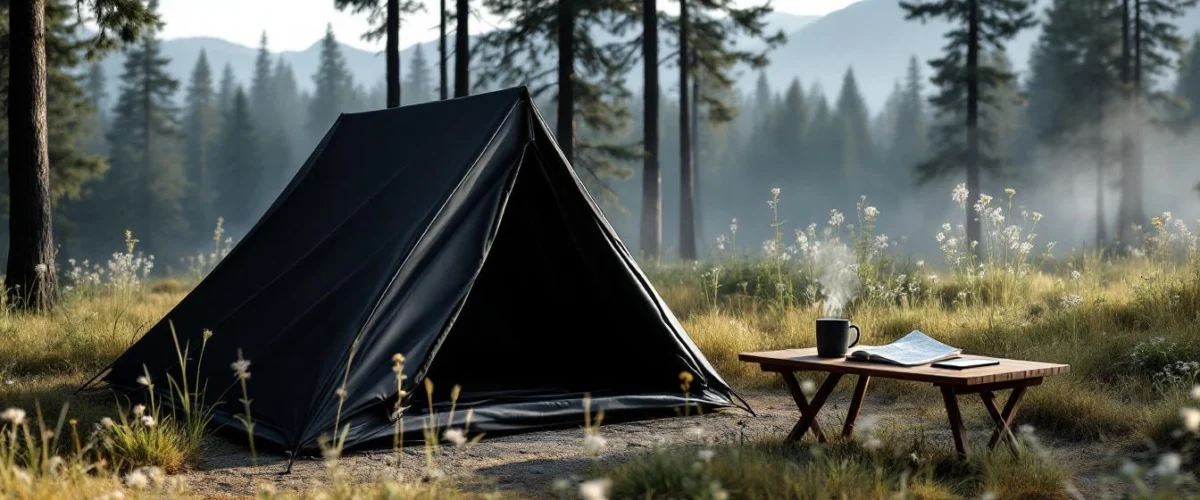
- You carry complete shelter appropriate for expected weather.
- You bring sufficient insulation for nighttime lows.
- You comply with land regulations and wildlife safety requirements.
If any of those are compromised, it’s not minimalist—it’s underprepared.
What the Definition Does NOT Include
Minimalist camping does not mean:
- Leaving behind a proper first-aid kit.
- Ignoring bear-resistant food requirements where mandated.
- Skipping rain protection because the forecast “looks fine.”
I’ve seen someone cut their first-aid kit down to three bandages and a pain reliever. When a deep blister opened on day one, they wished they’d kept moleskin and antiseptic. Minimal doesn’t mean careless.
Why the Definition Is Evolving in 2026
Lighter materials and smarter gear design make trimming weight easier than ever. At the same time, rising campsite fees and travel costs push campers toward simpler setups and shorter trips.
Sustainability also plays a role. Fewer purchases, longer-lasting gear, and reduced waste align naturally with the Leave No Trace 7 Principles. Many campers are rethinking what they truly need for a minimalist camping trip—and discovering it’s less than they assumed.
7 Stunning Facts for 2026
Fact 1–3: Lighter Gear, Fewer Items, More Freedom
1. Modern tents and sleep systems weigh significantly less than older models. Manufacturers continue refining fabric strength and pole systems. Always verify current product specs before buying, but you’ll notice the trend quickly when comparing models from a decade ago.
2. Setup time shrinks dramatically. Fewer components mean fewer decisions. With a simple tarp and groundsheet, you can be cooking dinner while others are still threading poles.
3. Mobility increases confidence. When your whole kit fits into one backpack comfortably, moving campsites—or packing up before a storm—becomes manageable instead of stressful.
Fact 4–5: Cost Savings and Hidden Expenses
4. You buy fewer impulse items. Minimalist campers question every gadget. Over time, that mindset often saves money.
5. High-end ultralight gear can cost more upfront. Lightweight fabrics and compact designs aren’t always cheap. If you’re just starting, camp close to home first. Learn how a minimalist camping approach works in real conditions before upgrading to premium gear.
A simple rule: don’t invest to solve a problem you haven’t experienced yet.
Fact 6–7: Environmental and Mental Benefits
6. Reduced consumption can lower impact. Fewer supplies mean less waste and fewer single-use items. Pair this with responsible campsite behavior and adherence to regulations found on platforms like Recreation.gov rules and policies.
7. Many campers report sharper focus and deeper relaxation. When your campsite isn’t cluttered, routines simplify. You cook, clean, and rest with clear intention. There’s less gear to manage—and more time to notice the wind shifting or the sky changing color.
Minimalist Camping vs Traditional Camping
Gear Volume and Weight Differences
- Traditional camping: Multiple bags, full cook systems, camp chairs, lanterns, spare clothing “just in case.”
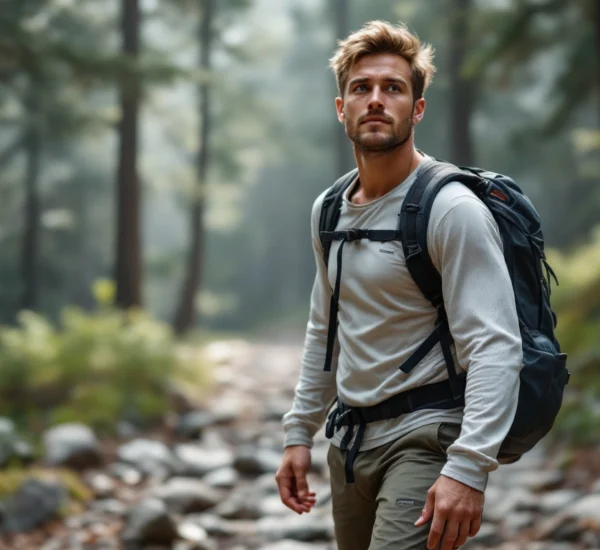
- Minimalist camping: One main pack, compact stove or simple meal plan, limited clothing layers with overlap in use.
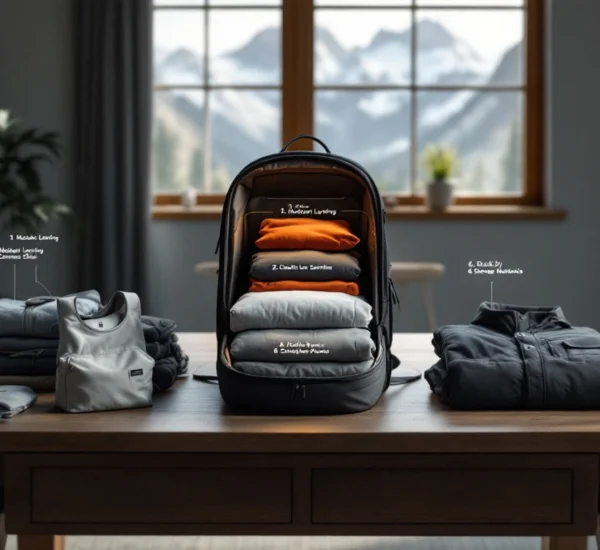
Try this: pack everything you plan to bring into one backpack. If items don’t fit, reassess. What provides safety? What provides mere convenience?
Comfort vs Convenience Trade-Offs
No camp chair? Sit on a foam pad or designated natural seating if permitted. Smaller stove? Choose one-pot meals. Fewer clothes? Wash and air-dry a base layer overnight.
These trade-offs are manageable when expected. They’re frustrating only when they surprise you.
Safety and Legal Considerations
Always verify fire restrictions and food storage rules with official park sources before departure. Regulations vary by location and season. In bear country, approved storage methods may be mandatory. Minimalist camping still requires full compliance with safety standards.
How to Start Minimalist Camping Safely
Step 1: Audit Your Current Packing List
Lay everything out. Circle true essentials: shelter, sleep system, insulation, water, food, navigation, first aid. After each trip, note what never left your bag.
Step 2: Test Close to Home First
Start with a backyard trial or a nearby campground. If temperatures drop unexpectedly, you can adjust quickly. Define your margin for error before heading deeper into remote areas.
Step 3: Follow Leave No Trace and Park Regulations
Minimal gear doesn’t excuse poor habits. Store food properly, dispose of waste responsibly, and follow campsite selection guidelines from trusted authorities. Check official park websites before each trip—rules change.
Who Should (and Shouldn’t) Try It?
Great Fit For…
- Solo campers looking for mobility.
- Day hikers transitioning to overnight trips.
- Anyone seeking a mental reset through simplicity.
May Not Be Ideal For…
- Families with very young children needing extra supplies.
- Beginners facing extreme weather.
- Campers with medical or mobility requirements that demand additional gear.
If removing items increases anxiety instead of enjoyment, scale back gradually. Minimalism should feel freeing—not restrictive.
Checklist
- Pack only multi-use essentials.
- Keep critical safety gear: first aid, insulation, navigation, weather protection.
- Confirm park regulations before departure.
- Test gear in mild conditions first.
- Reassess and refine after every trip.
Common Mistakes
- Confusing minimalist camping with survival camping.
- Cutting insulation layers too aggressively.
- Ignoring local fire bans or wildlife storage laws.
- Buying ultralight gear before building core skills.
- Skipping weather checks prior to departure.
Frequently Asked Questions
What is the definition of minimalist camping in simple terms?
The definition of minimalist camping is bringing only essential, multi-use gear needed for safety and basic comfort while removing unnecessary extras. It’s about thoughtful reduction—not risk.
What is minimalist camping for beginners?
What is minimalist camping at a beginner level? It’s starting with a simple shelter, basic cook system, sleep setup, and safety gear—then gradually trimming what you don’t use. Begin close to home so you can adjust easily.
Is minimalist camping safe for national parks?
Yes, as long as you follow park regulations, weather guidance, and food storage requirements. Minimalist camping must still meet all official safety standards.
How much gear do you really need for minimalist camping?
You need shelter, insulation, water treatment or supply, food, navigation, and first aid. Beyond that, evaluate each item based on necessity versus comfort.
Does the definition of minimalist camping mean no tent?
No. Some campers use tents; others use tarps or bivy systems where appropriate and legal. The definition of minimalist camping focuses on essential shelter—not eliminating it.
Is minimalist camping cheaper than traditional camping in 2026?
It can be cheaper long term due to fewer purchases. However, premium lightweight gear may cost more upfront. Start simple before investing heavily.
Conclusion
The definition of minimalist camping isn’t about chasing extremes. It’s about carrying what matters, leaving what doesn’t, and staying fully prepared within those boundaries. When you balance freedom with responsibility, you gain lighter packs, faster setups, and clearer outdoor experiences—without sacrificing safety. If you’re curious, plan one overnight trip with a simplified kit. Build your own minimalist camping checklist, test it somewhere forgiving, and refine it after each outing. Done right, minimalist camping feels less like giving something up—and more like finally carrying only what counts.