You’re standing at the trailhead, pack on your back, and within five minutes you already know—you’ve brought too much. I’ve been there. Extra clothes “just in case,” a bulky stove I didn’t need, and gear that never left the bottom of the bag. A smart minimal camping supplies list solves that problem before it starts. Instead of packing for every possible scenario, you pack for the most likely ones—safely and intentionally. This guide walks you through a practical minimalist camping packing list with 10 smart ultralight essentials built around 10 smart essentials. You’ll learn what to bring, what to skip, and how to adjust for weather, season, and location without sacrificing safety or comfort.
Table of Contents
- The Philosophy Behind a Minimal Camping Supplies List
- The 10 Smart Essentials: Ultralight Camping Checklist Core Items
- How to Adapt Your Minimal Camping Supplies List by Season & Location
- Weight vs. Safety: Smart Trade-Offs to Make
- How to Test and Refine Your Ultralight Camping Checklist
- Common Overpacking Mistakes (and What to Do Instead)
- Checklist
- Common Mistakes
- Frequently Asked Questions
- Conclusion
- Sources
The Philosophy Behind a Minimal Camping Supplies List
Minimal doesn’t mean reckless. It means every item has a job.
Why “Minimal” Doesn’t Mean “Unprepared”
A good rule is simple: ask, What problem does this solve? If you can’t answer clearly, it’s probably optional. An insulated pad solves heat loss to the ground. A rain shell solves unexpected showers. A third T-shirt for a one-night trip? Not so much.
Prepared hikers focus on shelter, insulation, water, food, light, and navigation. Comfort extras come last—and only if they earn their weight.
Define Your Trip Before You Pack
A one-night campground stay is different from a remote backcountry loop. Decide:
- Overnight or multi-day?
- Car camping or carrying everything on your back?
- Established water sources or uncertain supply?
Check the forecast from an official meteorological service before you pack. If you’re camping in Canada, review updates from Environment and Climate Change Canada’s weather service. Base your insulation and rain protection on actual conditions, not assumptions.
The One-Bag Rule (Practical Constraint)
Give yourself a volume limit—often 30–50 liters for a short backcountry trip. Once food and water are in, space disappears fast. If it doesn’t fit comfortably, something goes. This physical constraint naturally keeps your minimalist camping packing strategy realistic and efficient.
The 10 Smart Essentials: Ultralight Camping Checklist Core Items
This is the heart of your minimal camping supplies list and the foundation of a practical Ultralight camping checklist. Ten categories. Each one solves a real problem you’re likely to face outdoors.
1–3: Shelter & Sleep System
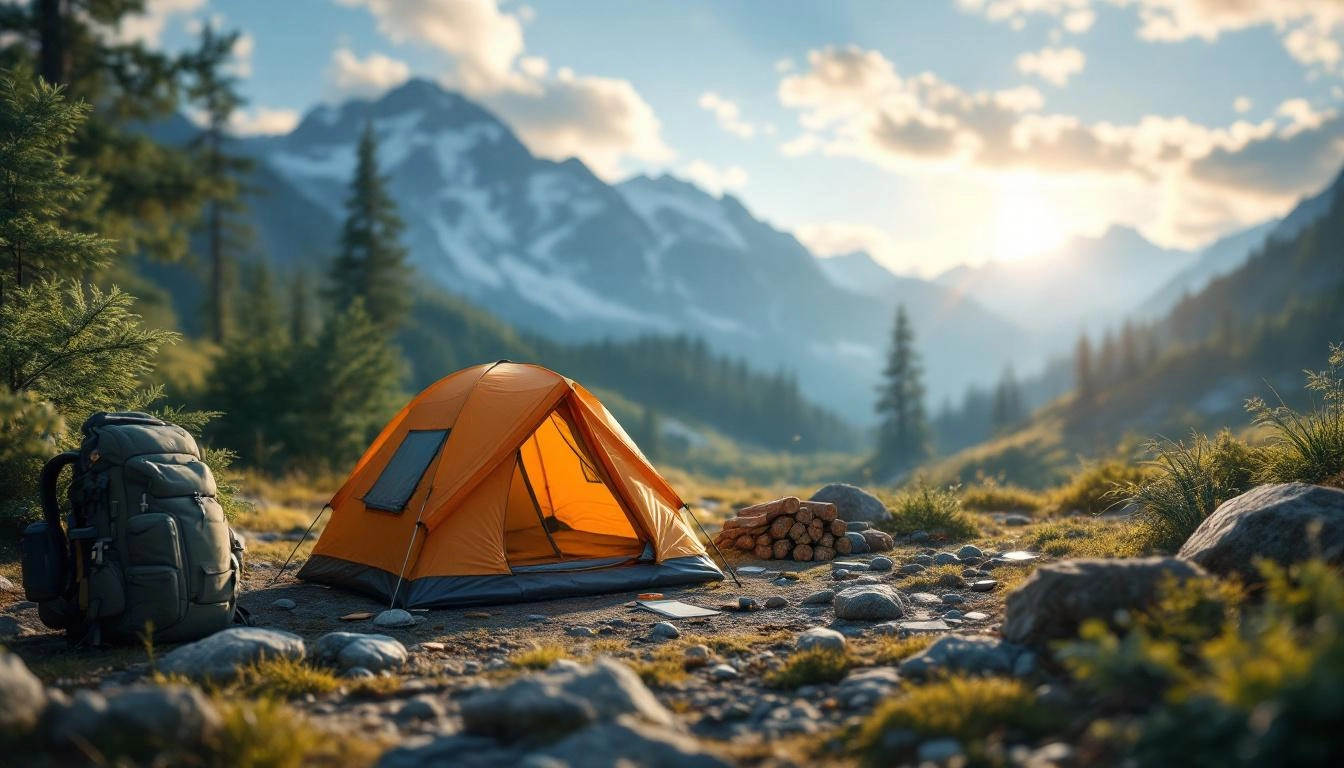
- Lightweight shelter (tent or tarp) – Choose based on bugs, weather, and comfort level. In buggy summer forests, full bug netting matters.
- Weather-appropriate sleeping bag or quilt – Match temperature ratings to forecasted lows, not daytime highs. Verify ratings with the manufacturer and compare with the weather forecast.
- Insulated sleeping pad – The ground pulls heat from your body faster than air. Skipping this is a mistake many regret at 2 a.m.
If you tend to sleep cold, don’t gamble on a lighter bag just to save ounces. Trim elsewhere first.
4–6: Cooking & Hydration Basics
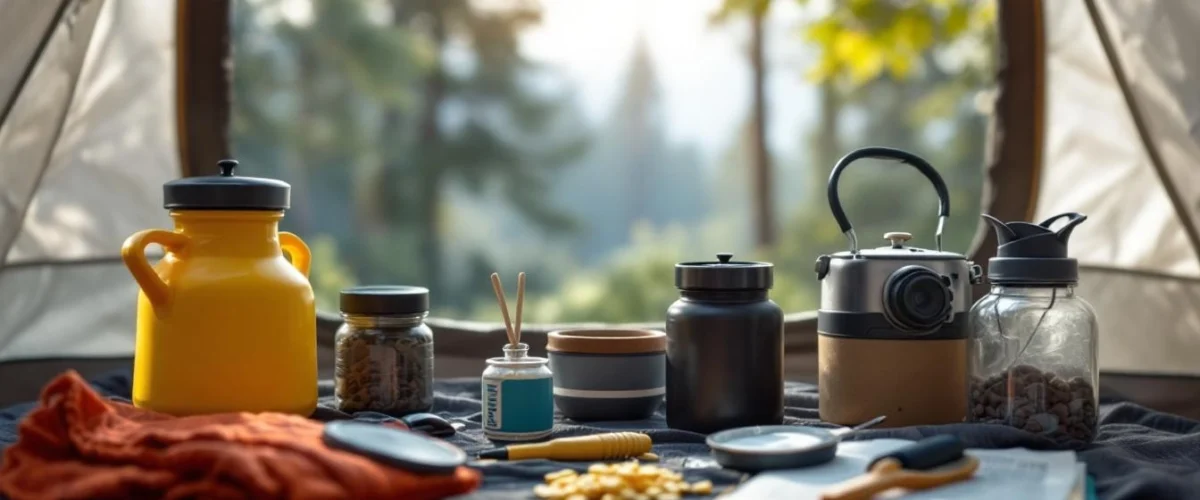
- Compact stove or no-cook plan – For short trips, simple meals reduce gear. Test your stove at home before relying on it.
- Single pot/mug setup – One vessel that boils water and serves as your bowl keeps things light.
- Water filtration or purification system – Always confirm water access and treatment requirements through official park sources. When reserving sites, review regulations at Recreation.gov rules and reservation policies.
Water is heavy. Plan refill points carefully so you’re not carrying more than necessary.
7–8: Clothing Layers (Worn + Packed)
- Insulating layer – Lightweight down or synthetic jacket.
- Waterproof rain shell – Non-negotiable in unpredictable climates.
For short trips, one spare clothing set is usually enough. If rain probability climbs above 30–40%, pack protection. Weather changes fast.
9–10: Safety & Navigation Essentials
- Headlamp with fresh batteries – Darkness falls quickly in wooded areas.
- Basic first aid kit + navigation tool – Map and compass or offline GPS.
Follow recognized safety guidance from agencies like the National Park Service safety page and review Leave No Trace principles at Leave No Trace.
How to Adapt Your Minimal Camping Supplies List by Season & Location
Summer vs. Shoulder Season Adjustments
In peak summer, you might swap a full tent for a lighter shelter if bugs are manageable. In shoulder seasons, insulation becomes critical. Cold evenings demand a warmer sleep system—even if afternoons are mild.
Wet Climate vs. Dry Climate Packing
In arid zones, water storage matters more than rain gear. In humid or mountainous regions, always carry a rain shell. If storms build quickly in your area, don’t debate it—pack it.
Park Rules & Fire Regulations
Fire bans and stove restrictions change. Always confirm current rules through official government or park websites before departure. Never assume campfires are permitted.
Weight vs. Safety: Smart Trade-Offs to Make
Comfort Items: Keep or Cut?
A full camp chair feels great—but a foam sit pad weighs far less. A pillow can often be replaced by a stuff sack filled with clothes. Decide what truly improves your sleep or recovery.
When Not to Go Ultralight
If terrain is remote, weather volatile, or wildlife common, build in redundancies. In areas where rescue could take hours or days, extra insulation or backup navigation may be justified.
Decision Rule Framework
Ask:
- Does this prevent a serious problem?
- Will I realistically use it?
- Is there a lighter alternative?
How to Test and Refine Your Ultralight Camping Checklist
Do a Backyard or Local Park Trial
Pack fully and walk for 30–60 minutes. Notice pressure points. Adjust straps. Remove items you already doubt.
Post-Trip Audit Habit
After each trip, lay everything out. What stayed untouched? Be honest. Fear-based packing adds weight fast.
Build Your Personal Minimal Camping Supplies List
Your metabolism, cooking style, and trip goals matter. Over time, you’ll dial in a personalized setup that balances efficiency and comfort. Reviewing a detailed ultralight camping checklist example can help you compare and refine your own approach.
Common Overpacking Mistakes (and What to Do Instead)
- Duplicate tools → Choose multi-use gear.
- Too many clothes → Pack one spare set.
- Oversized tent for solo trips → Match shelter size to group.
- Ignoring water weight → Plan refills strategically.
Checklist
- Lightweight shelter (tent or tarp)
- Weather-appropriate sleeping bag or quilt
- Insulated sleeping pad
- Compact stove or no-cook plan
- Single pot/mug setup
- Water filtration/purification system
- Insulating clothing layer
- Waterproof rain shell
- Headlamp with fresh batteries
- Basic first aid + navigation tool
Common Mistakes
- Packing for worst-case scenarios without checking weather
- Bringing luxury items before mastering essentials
- Overestimating food needs
- Skipping navigation backups
Frequently Asked Questions
What is the difference between a minimal camping supplies list and a regular packing list?
A minimal camping supplies list focuses strictly on essentials that solve real problems—shelter, warmth, water, safety. A regular list often includes comfort extras and duplicates.
How do I build an Ultralight camping checklist for a weekend trip?
Start with shelter, sleep system, water treatment, food method, layers, and navigation. Checking a practical minimalist camping packing list for weekend trips can simplify the process. Check the forecast, confirm regulations, then trim anything that doesn’t serve a clear purpose.
Can a minimal camping supplies list really cover safety essentials?
Yes—if built intentionally. The goal is not fewer safety items, but fewer unnecessary comfort items.
What should beginners never remove from an Ultralight camping checklist?
Reliable shelter, insulation, water treatment, headlamp, and navigation tools should never be cut.
How do I adjust my minimal camping supplies list for cold weather?
Add insulation layers, confirm your sleeping bag rating matches expected lows, and consider higher R-value sleeping pads.
Is ultralight camping suitable for national or provincial parks?
Yes, as long as you follow site-specific regulations and safety guidance. Always verify current rules through official park websites before your trip.
Conclusion
Minimal doesn’t mean careless—it means deliberate. A well-built minimal camping supplies list strips away the clutter and keeps what truly protects and supports you outdoors. Start with these ten smart essentials, then refine after every trip. Before your next outing, challenge yourself: remove three unnecessary items from your pack. Over time, your kit will feel lighter, smarter, and more personal. That’s how a practical Ultralight camping checklist evolves—through real experience, not guesswork.