Halfway up a steep switchback, your shoulders start to ache. The pack feels heavier with every step. Now picture the opposite: you’re moving quickly with a light load, but that night you shiver because you trimmed too much insulation. That tension defines ultralight vs conventional backpacking—and it’s at the heart of Minimalist vs traditional camping. One favors efficiency and reduced base weight. The other leans into comfort and redundancy. Neither is “right.” Both can be smart choices depending on terrain, weather, distance, and your own limits. In this guide, you’ll get 7 practical tips to decide which style fits your next trip—and how to avoid common mistakes on either path.
Table of Contents
- Weight Philosophy & Core Differences
- Tip 1–2: Pack Weight & Gear Selection Strategy
- Tip 3: Comfort vs Efficiency on the Trail
- Tip 4: Safety Margins & Risk Management
- Tip 5: Cost & Long-Term Investment
- Tip 6: Terrain, Climate & Trip Length Decisions
- Tip 7: Transitioning from One Style to the Other
- Checklist
- Common Mistakes
- Frequently Asked Questions
- Conclusion
- Sources
Weight Philosophy & Core Differences
The real difference isn’t just ounces. It’s philosophy. In ultralight circles, backpackers focus on lowering “base weight”—everything in the pack except food, water, and fuel. Conventional backpackers may track weight too, but they’re less strict about shaving every extra item.
What “Ultralight” and “Conventional” Actually Mean in Practice
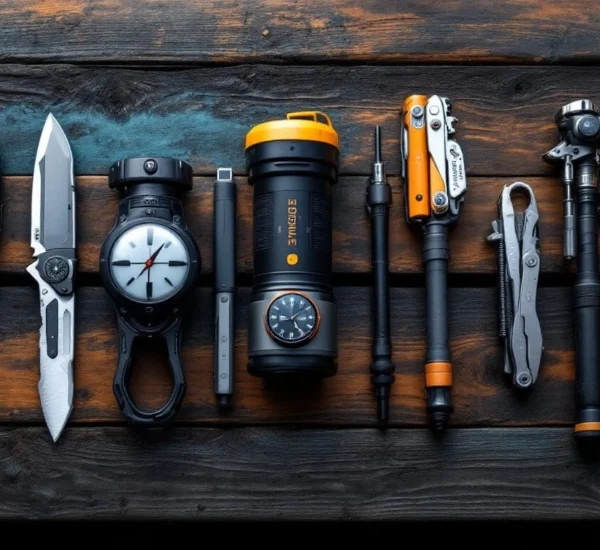
Open an ultralight pack at camp and you’ll likely see a streamlined shelter, a compact quilt instead of a bulky sleeping bag, a small stove, and minimal clothing layers. There’s little redundancy. Every item earns its place.
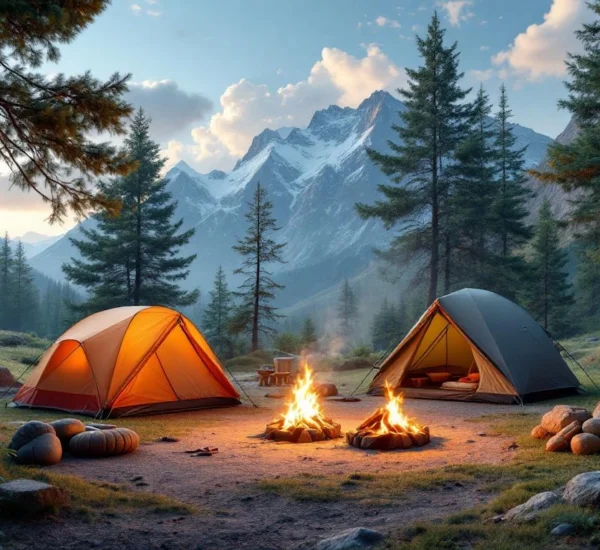
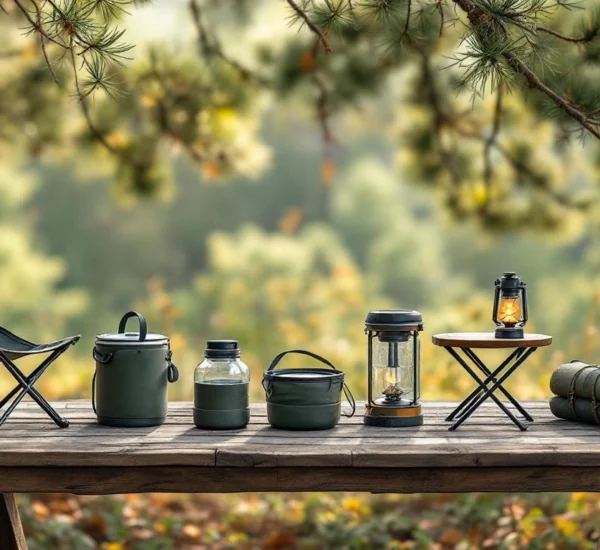
Open a conventional backpacking gear setup and you might find a sturdier tent, a thicker sleeping pad, a full cook kit, a dedicated rain jacket and insulating midlayer, maybe even a camp chair. The kit is broader, often more forgiving in rough weather.
The line between them isn’t fixed. Many hikers land somewhere between the two.
Minimalist vs traditional camping: Mindset, Not Just Gear
Minimalist vs traditional camping often comes down to how you answer a few questions:
- Are you chasing miles or lingering at alpine lakes?
- If it rains for 10 hours, what will you wish you had?
- Is this trip about fast movement—or shared meals and downtime?
If photography at sunrise matters more than mileage, you may accept extra weight. If your goal is covering 20-mile days, you’ll likely prioritize efficiency.
Tip 1–2: Pack Weight & Gear Selection Strategy
Tip 1: Start With the Big Three (Shelter, Sleep System, Pack)
If you want meaningful weight savings, begin with your shelter, sleeping system, and backpack. Swapping a heavy tent for a lighter alternative, choosing a well-rated quilt, and right-sizing your pack volume can noticeably change how the load carries.
Before committing, test your setup. Pitch the shelter in your yard. Sleep outside on a cool night. Load your pack and walk your neighborhood hills. If your hips bruise or you wake up cold, adjust before your trip—not five miles into the backcountry.
The most common mistake? Cutting insulation first. Always match your sleep system to expected temperatures. Check park-specific forecasts and seasonal guidance before dialing back warmth.
Tip 2: Eliminate vs Replace — Two Very Different Strategies
There’s a difference between leaving something at home and replacing it with lighter gear.
- Eliminate: Skip the camp chair or extra pot.
- Replace: Swap a heavy stove for a more compact one.
If you haven’t used an item on your last three trips, question it. On a two-night summer outing, you might leave extra clothing behind. On a seven-day shoulder-season trek, you’ll likely want more layers and weather protection. Adjust to the trip, not the trend.
Tip 3: Comfort vs Efficiency on the Trail
Energy Expenditure & Body Fatigue
Lighter loads generally mean less strain on knees and hips, especially during long descents. If you’ve ever felt your quads trembling on day two, take note. That’s feedback.
Ask yourself: where did fatigue hit last time? On climbs? Toward the end of the day? If reducing pack weight helps you hike safely and confidently, it’s worth exploring.
Camp Comfort Reality Check
But trail comfort doesn’t automatically equal camp comfort. Sitting on a folded foam pad after dinner feels different than leaning back in a supported chair. A thin pad may shave ounces but leave you restless.
Picture the hour after sunset. Are you reading? Talking? Turning in early? Your answers shape your gear decisions more than labels like “ultralight” or “traditional.”
Group Dynamics
Families often lean conventional. Extra snacks, shared cookware, and layers for unpredictable weather add up. Solo hikers experimenting with minimalist camping gear can adapt more quickly.
If someone in your group tires easily, balancing loads thoughtfully can matter more than shaving weight from your own pack.
Tip 4: Safety Margins & Risk Management
Redundancy vs Minimalism
Redundancy adds weight—but also insurance. An extra insulating layer or backup fire-starting method can be reassuring in remote terrain.
Before a trip, review official backcountry safety guidance from trusted agencies like the National Park Service backcountry safety page and the U.S. Forest Service “Know Before You Go” guidelines. Align your kit with local expectations and regulations.
If you’re five miles from the trailhead and twist an ankle, what do you have to stay warm while waiting or moving slowly? That scenario should shape your safety margin.
Weather & Emergency Preparedness
Weather shifts fast in mountains and coastal zones. Check park-specific requirements on Recreation.gov or local land management pages before dialing in your pack.
Minimalism should never mean ignoring local rules or preparedness basics. Follow Leave No Trace principles to reduce impact while staying safe, as outlined by the Leave No Trace Center for Outdoor Ethics.
Tip 5: Cost & Long-Term Investment
Upfront Cost of Lighter Materials
Lighter fabrics and specialized designs often come at a premium. Advanced materials reduce weight but may require more care. Conventional backpacking gear tends to emphasize durability and broader use cases.
If you backpack twice a year, a sturdy traditional camping setup may serve you well for years. If you log dozens of nights each season, investing in a lightweight hiking setup might pay off in reduced fatigue.
Durability Trade-Offs
Ultralight tents and packs typically require careful campsite selection. Sharp rocks, exposed roots, and rough platforms can accelerate wear.
If you frequent rocky alpine areas or desert terrain, consider how abrasion affects your gear. Sometimes, an extra few ounces buy peace of mind.
Tip 6: Terrain, Climate & Trip Length Decisions
Short Weekend vs Multi-Day Trek
Food volume changes pack logic. A two-day trip may allow for a smaller pack. A weeklong route requires more storage and planning.
Some areas require specific food storage solutions. Always confirm current regulations through official channels before departure.
Hot Summer vs Cold Shoulder Season
Warm summer nights invite lighter sleep systems. Shoulder seasons demand more insulation and robust rain protection.
Don’t generalize by region. Coastal ranges, deserts, and high elevations all behave differently. Check forecasts close to departure and adjust accordingly.
Tip 7: Transitioning from One Style to the Other
How to Experiment Safely
Change one variable at a time. Try a lighter shelter on a short trip near home. Test a simplified cook kit before committing on a long route.
A backyard overnight is surprisingly revealing. You’ll learn quickly whether a new sleep system keeps you warm.
Hybrid Approach: The Practical Middle Ground
Most hikers blend styles. You might keep a comfortable sleeping pad while trimming kitchen items. Or carry a lightweight tent but retain a reliable insulated jacket.
In practice, ultralight vs conventional backpacking becomes a sliding scale—not a strict identity.
Checklist
- Define your trip purpose (mileage, leisure, photography, family time).
- Check local regulations (food storage, fire rules, permits).
- Weigh your fully packed bag before departure.
- Test your sleep system in expected temperature ranges.
- Remove two non-essential luxury items and reassess.
Common Mistakes
- Chasing ultralight trends without the conditioning to match faster pacing.
- Cutting safety gear first instead of trimming luxury items.
- Overpacking duplicate “just in case” items.
- Ignoring terrain differences (rocky alpine vs forest floor).
- Letting social media define your gear list instead of your real needs.
Frequently Asked Questions
What is the main difference between ultralight vs conventional backpacking?
The difference lies in philosophy and tolerance for trade-offs. Ultralight approaches aim to reduce base weight and move efficiently, while conventional backpacking prioritizes comfort, durability, and built-in safety margins.
Is Minimalist vs traditional camping better for beginners?
For most beginners, a slightly more traditional setup provides comfort and forgiveness while learning skills. As confidence grows, gradually trimming weight can feel more manageable.
How light is “ultralight” in ultralight vs conventional backpacking?
Definitions vary across the community. Rather than chasing a specific number, focus on lowering unnecessary weight while maintaining safety and warmth for your specific environment.
Can you stay safe in Minimalist vs traditional camping during bad weather?
Yes—if your gear matches the forecast and terrain. Minimalist systems must still provide adequate insulation, shelter, and emergency preparedness. Always check official safety guidance before committing.
Does ultralight gear cost more than conventional backpacking gear?
Often, yes. Lightweight materials and specialized construction can increase cost. Conventional gear may weigh more but typically emphasizes durability and value.
Can I mix ultralight and conventional backpacking styles on the same trip?
Absolutely. Many experienced hikers blend approaches—keeping comfort in key areas while trimming redundant or rarely used items.
Conclusion
At its core, ultralight vs conventional backpacking isn’t about proving toughness or stacking the lightest gear list. It’s about making thoughtful choices for your body, your trip length, your terrain, and your comfort goals. Sometimes that means trimming weight to protect your knees. Other times it means carrying a few extra ounces so you sleep well and wake up strong. Before your next trip, review your gear, identify one smart adjustment, and test it close to home. The right answer to ultralight vs conventional backpacking is the one that gets you down the trail safely—and eager to go again.