Your shoulders start aching an hour into the hike. When you finally reach camp and unpack, half the “just in case” gear never leaves the bag. That’s when a minimalist camping packing list starts to make sense. Not as some extreme, suffer-through-it approach—but as a smarter way to carry only what you’ll actually use.
This guide walks you through a practical, field-tested setup built around an efficient Ultralight camping checklist. You’ll learn the 10 core essentials, how to adjust for weather and terrain, how to cut weight without cutting safety, and which common mistakes quietly add pounds to your pack. Minimalist doesn’t mean reckless. It means intentional.
Table of Contents
- The Minimalist Mindset: Pack With Purpose, Not Fear
- The 10 Smart Essentials: Ultralight Camping Checklist Core
- Climate, Terrain & Trip Length: Adjusting Your Minimalist Camping Packing List
- Food & Water: Go Light Without Cutting Corners
- Safety & Leave No Trace Basics
- How to Reduce Pack Weight Step by Step
The Minimalist Mindset: Pack With Purpose, Not Fear
Minimalist camping isn’t about proving how little you can survive on. It’s about packing with purpose instead of packing from fear. Most overpacking comes from imagining unlikely scenarios and filling space to calm that anxiety.
What “Minimalist” Really Means in Camping
Minimalist is not the same as extreme ultralight. You don’t have to cut toothbrush handles or sleep on bare ground. A reasonable lightweight camping gear list still includes shelter, insulation, food, water treatment, and safety essentials.
Think back to your last trip. Which items never left your pack? Extra shirt? Second flashlight? Full cookware set when you boiled water once? That’s your starting point.
The 3-Question Test Before Packing Anything
Before each item goes in your bag, ask:
- Is it critical for safety? (First aid, insulation, navigation—yes.)
- Will I realistically use it? Not “maybe,” but likely.
- Does another item already cover this function?
Example: A multitool may replace a separate knife and small repair kit. A single pot can serve as both cook pot and bowl. If something fails two of the three questions, leave it.
Risk vs. Comfort: Setting Your Personal Threshold
Minimalism is personal. If poor sleep ruins your mood, shaving 200 grams off your sleeping pad may not be worth it. On the other hand, if you’re hiking long miles, reducing pack weight might improve your overall experience more than an extra pillow ever would.
Decide where you’re willing to trade comfort for simplicity—and where you’re not.
The 10 Smart Essentials: Ultralight Camping Checklist Core
This is where your minimalist camping packing system built around 10 stunning minimalist camping essentials and Ultralight camping checklist come together. These 10 categories form a balanced foundation for most weekend backpacking trips and simple car camps where you still want control and clarity.
1–4: Shelter & Sleep System
- Lightweight shelter (tent or tarp)
- Groundsheet or footprint
- Weather-appropriate sleeping bag or quilt
- Sleeping pad
Match your insulation to the forecasted overnight low—not the daytime high. Check a reliable forecast through the NOAA National Weather Service safety page before departure. A sunny afternoon can hide a cold 3 a.m.
If lows are near water or in valleys, expect it to feel colder. When in doubt, add light layer flexibility rather than a heavier bag.
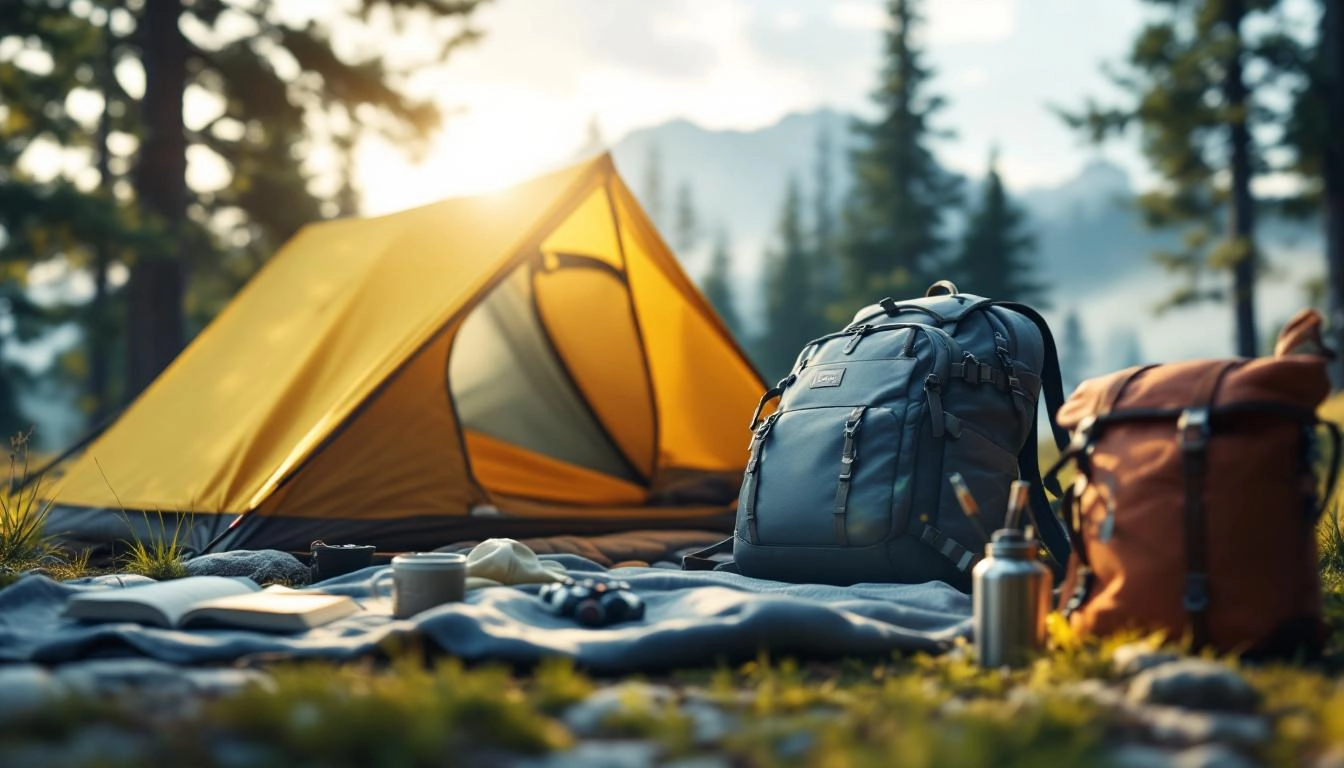
5–7: Cooking & Hydration Setup
- Compact stove or no-cook system
- Single cook pot + utensil
- Water filter or purification method + bottle
For short trips, a single-burner stove and one pot are enough. If meals only require boiling water, skip the frying pan. Consider no-cook for overnight trips with moderate temperatures.
Always confirm water availability before reducing capacity. Review park updates and advisories through official sources like the National Park Service trip planning and safety guidance. If water sources are seasonal or sparse, carry extra—even if it weighs more.
8–10: Clothing, Navigation & Essentials
- Layered clothing system (base, insulation, shell)
- Map and compass
- Headlamp + basic first aid kit
A simple three-layer system handles most conditions. If rain is possible, bring a reliable shell. Wet and cold is not the place to experiment with minimalism.
Even if you use a GPS device, carry a map and compass. Check “Know Before You Go” recommendations from the U.S. Forest Service recreation and safety page for area-specific rules.
Climate, Terrain & Trip Length: Adjusting Your Minimalist Camping Packing List
Your minimalist camping packing list for lightweight travel shouldn’t look identical in July and October—or for a one-night trip versus four days out.
Summer vs. Shoulder Season Adjustments
In peak summer, a lighter quilt and fewer clothing layers may be enough. During shoulder season, add insulation and a more protective shell.
If overnight lows dip close to freezing, don’t shave weight from your sleep system. That’s where cutting grams can turn into a miserable night.
Backcountry vs. Car Camping
Even when car camping, minimalism helps. You may have space—but hauling bins and sorting gear wastes time and energy. Bring what you plan to use, not the entire garage.
Weekend Trip vs. Multi-Day Trek
Short trip? You can tolerate less variety. Multi-day? Focus on durability. Two pairs of socks might make sense for four days. Three probably don’t.
Food volume scales quickly. Plan per meal, per day. Lay it out at home so you see exactly how much you’re carrying.
Food & Water: Go Light Without Cutting Corners
Simple Meal Strategy for Ultralight Trips
Choose calorie-dense foods: nuts, tortillas, dehydrated meals, oatmeal. Repackage bulky items into zip bags. Skip canned goods and heavy liquids.
If cooking feels like a chore after long hikes, simplify further. One-pot dinners reduce cleanup and equipment.
Water Planning & Treatment
Always verify local water conditions using official guidance. Dry stretches can extend farther than maps suggest, especially late in the season. When unsure, fill up at the last reliable source.
If a source looks questionable—stagnant, cloudy, near heavy use—treat it carefully or move on if possible.
Common Food Weight Mistakes
- Packing “extra” snacks for every possible delay.
- Carrying beverages other than water.
- Bringing full-size condiment containers.
Safety & Leave No Trace Basics
Minimum Safety Kit (Don’t Trim These)
- Basic first aid supplies
- Emergency insulation layer
- Whistle and light source
Review area-specific safety expectations before leaving. The Government of Canada emergency preparedness guide outlines simple readiness principles that apply anywhere.
Leave No Trace Considerations
Follow the Leave No Trace 7 Principles. Pack out all trash. Know local waste disposal rules. If fires are restricted, comply—even if you brought a stove as backup.
Weather & Emergency Planning
Check forecasts again the day you leave. Share your route and expected return time with someone you trust. A lighter pack is great. Being unprepared is not.
How to Reduce Pack Weight Step by Step
Weigh Everything Once
Use a kitchen scale. Write the weight on masking tape attached to each item. Clothing often surprises people—it adds up quickly.
Replace, Remove, or Multi-Use
Can your pot double as a bowl? Can your trekking poles support your shelter? Look for overlap and eliminate duplicates.
Do a Backyard Trial Run
Pack fully and walk for 30–60 minutes. Notice pressure points. If something shifts constantly or feels unnecessary, reassess it before the real trip.
Checklist
- ☐ Lightweight shelter (tent/tarp)
- ☐ Groundsheet/footprint
- ☐ Weather-appropriate sleeping bag or quilt
- ☐ Sleeping pad
- ☐ Compact stove or no-cook setup
- ☐ Single cook pot + utensil
- ☐ Water filter/purification + bottle
- ☐ Layered clothing system
- ☐ Map and compass
- ☐ Headlamp + basic first aid kit
Common Mistakes
- Packing duplicates without realizing it.
- Buying gear based on trends instead of conditions.
- Planning for daytime temperatures only.
- Removing key safety items to save minimal weight.
- Ignoring local regulations for fires or water use.
Frequently Asked Questions
What is included in a minimalist camping packing list for beginners?
A beginner-friendly minimalist camping packing list for beginners includes shelter, sleep system, simple cooking gear, water treatment, layered clothing, navigation tools, light source, and basic first aid. It focuses on essential camping gear without comfort-heavy extras.
How is an Ultralight camping checklist different from a regular camping checklist?
An Ultralight camping checklist prioritizes multi-use gear, fewer duplicates, and lighter materials. A regular checklist may include comfort items and backups that add weight but aren’t strictly necessary for short backcountry trips.
How much weight should a minimalist camping packing list aim for?
It depends on trip length and conditions. Many hikers aim to reduce unnecessary items first rather than chasing a specific number. Focus on removing what you don’t use; the weight savings follow naturally.
Can I use this Ultralight camping checklist for car camping trips?
Yes. Even with a vehicle nearby, applying ultralight principles keeps your setup organized and efficient. You’ll spend less time sorting gear and more time enjoying camp.
What safety items should never be removed from a minimalist camping packing list?
Navigation tools, first aid supplies, adequate insulation, and a reliable light source should always stay. Minimalism should never compromise safety.
How do I reduce pack weight without sacrificing comfort?
Cut duplicates first. Repackage food. Choose one high-quality sleep item you’ll actually rest well on. Test your setup before committing to longer treks.
Conclusion
A well-built minimalist camping packing list isn’t about doing without—it’s about carrying what matters. When each item in your pack earns its place, hikes feel lighter and camp routines become simpler. Before your next trip, remove two or three non-essentials and see how it feels. Save or print this Ultralight camping checklist, test it on a short overnight, and adjust based on real experience. Intentional packing turns good trips into great ones.