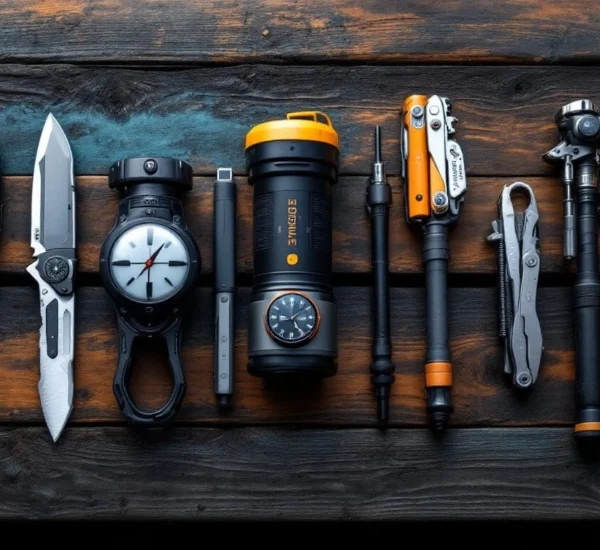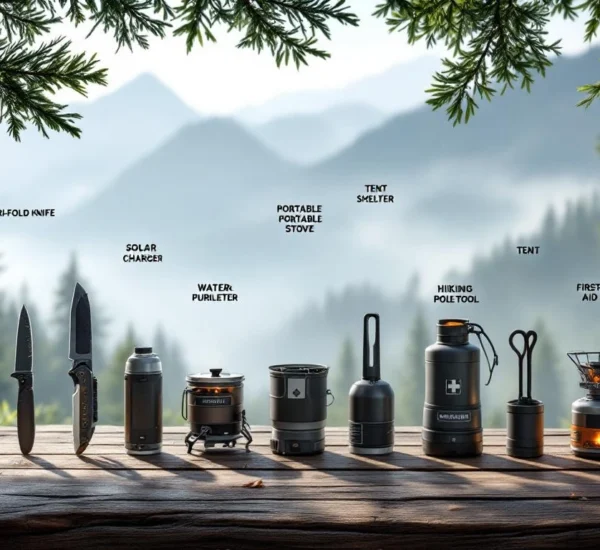
A heavy pack can turn an exciting backcountry trip into a grinding endurance test. Knees ache, shoulders burn, and miles feel longer than they should. The good news is that smart lightweight hiking gear tips can dramatically reduce pack weight without gambling with safety or comfort. This guide focuses on practical, experience-driven choices—not extreme gram counting—that help you hike farther and feel better. You’ll learn seven ultralight strategies grounded in real backpacking scenarios: how to think about pack weight, where to safely save ounces, what never to cut, and how to test gear before it matters. By the end, you’ll have a clear framework to make confident decisions and apply proven Ultralight backpacking tips that fit your trips, conditions, and skill level.
Table of Contents
- Pack Weight Philosophy: Where Ultralight Starts
- Shelter Systems That Save Weight Safely
- Sleep Systems: Warmth-to-Weight Decisions
- Clothing Layers That Do More With Less
- Cooking, Water, and Food Weight Strategies
- What NOT to Cut: Safety-Critical Gear
- Testing, Skills, and Real-World Adjustments
Pack Weight Philosophy: Where Ultralight Starts
Ultralight begins with mindset, not shopping. Before swapping gear, it helps to understand where weight actually comes from and how much matters for your body, terrain, and trip length. Learning how to lighten backpack weight starts with recognizing these fundamentals.
Base Weight vs. Total Pack Weight Explained
Base weight includes everything in your pack except consumables like food, water, and fuel. It’s the easiest number to compare and improve because it doesn’t change day to day. Total pack weight adds consumables and fluctuates throughout a trip. Reducing base weight creates lasting gains; optimizing consumables comes next.
Setting a Realistic Weight Target for Your Trips
Rather than chasing an arbitrary number, set a target that matches your conditions. A weekend in stable summer weather allows lighter choices than a shoulder-season trip with cold nights. Start by listing current gear, identify the heaviest items, and aim for incremental reductions that preserve reliability—especially when looking for practical ways to reduce overall backpack load.
Experience Check: Beginner Mistakes to Avoid
New hikers often cut too much too fast—ditching insulation or choosing fragile gear. The smarter move is to remove redundancies (duplicate clothing, backup items you’ve never used) and upgrade big-ticket items first, like pack, shelter, and sleep system.
Shelter Systems That Save Weight Safely
Your shelter is usually one of the heaviest pieces of gear. Saving weight here pays dividends, as long as protection remains adequate for weather and bugs.
Tents vs. Tarps vs. Bivy Setups
Ultralight tents balance simplicity and protection. Tarps can be even lighter and versatile but require site selection and knot skills. Bivy setups excel for minimalists and fast-and-light trips but can feel restrictive. Choose based on comfort with exposure and expected conditions.
Seasonal and Terrain Considerations
Tree cover, wind exposure, and precipitation matter more than trail mileage. An airy tarp works in dry forests; above treeline or in persistent rain, a fully enclosed shelter earns its weight.
Experience Check: Non-Negotiables in Bad Weather
Experienced hikers prioritize reliable weather resistance and pitching ease. A shelter that sets up quickly in wind and rain can prevent hypothermia and morale loss.
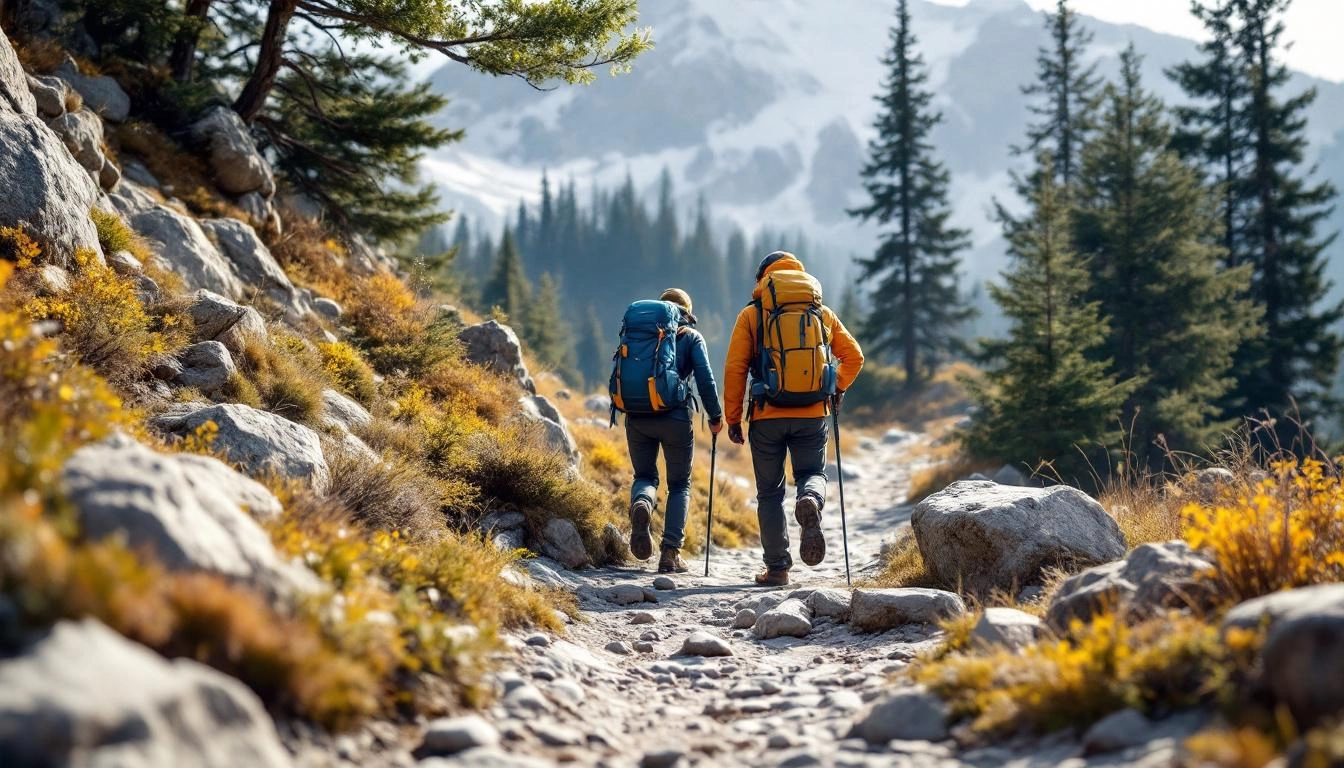
Sleep Systems: Warmth-to-Weight Decisions
Sleep quality affects everything the next day. The goal is the lightest setup that keeps you warm enough to recover.
Quilts vs. Sleeping Bags
Quilts save weight by eliminating insulation under your body, which a pad already compresses. Sleeping bags offer simplicity and draft protection. Pick the option that matches your movement during sleep and tolerance for managing drafts.
Pads: R-Value, Comfort, and Weight Balance
Pads do more than cushion—they insulate. Skimping here leads to cold nights even with a warm quilt. Balance thickness and insulation with durability for your terrain.
Experience Check: Cold vs. Warm Sleepers
If you sleep cold, choose conservative temperature ratings and a slightly warmer pad. Warm sleepers can often shave weight by going minimal without sacrificing rest.
Clothing Layers That Do More With Less (Lightweight Hiking Gear Tips)
A streamlined clothing system adapts to changing conditions without carrying extras “just in case.” Adopting strategies designed to lighten your pack for multi-day trips helps refine this system.
Layering Systems for Ultralight Backpacking Tips
Think in systems: a base layer for moisture control, an insulating layer for warmth, and a shell for weather protection. Each piece should serve multiple roles, from hiking to camp.
Fabrics That Perform Without Extra Weight
Modern synthetics and responsibly sourced wool balance warmth, breathability, and odor control. Avoid heavy cotton, which holds moisture and adds weight when wet.
Experience Check: The “Just in Case” Trap
Extra shirts, duplicate pants, or spare shoes are common weight culprits. If an item hasn’t earned its place on several trips, it’s a candidate to leave behind.
Cooking, Water, and Food Weight Strategies
Kitchen choices add up quickly. The key is matching complexity to trip length and goals.
Stove Systems and No-Cook Options
Simple canister stoves are reliable and efficient. Alcohol or solid-fuel setups reduce weight but require planning. On short trips, no-cook meals can eliminate stoves entirely.
Water Carrying vs. Water Treatment Trade-Offs
Carrying less water saves weight, but only where sources are reliable. Lightweight filters or chemical treatments reduce carried volume while maintaining safety.
Experience Check: When Light Food Systems Fail
Calorie shortfalls hit hard on multi-day trips. Ensure meals provide enough energy and variety to maintain appetite and performance.
What NOT to Cut: Safety-Critical Gear
Ultralight principles never override safety. Some items stay, regardless of weight goals.
Navigation, Lighting, and Emergency Essentials
Reliable navigation tools, a headlamp with fresh batteries, and basic emergency supplies are non-negotiable. These items weigh little but matter greatly when plans change.
First Aid and Repair Kits—Ultralight Versions
Customize kits to your skills and trip risks. Focus on essentials you know how to use, rather than bulky, generic kits.
Experience Check: Consequences of Cutting Too Much
Stories of avoidable injuries and forced turnarounds often trace back to missing basics. The lightest pack is useless if it compromises your ability to manage problems.
Testing, Skills, and Real-World Adjustments
Ultralight success comes from practice. Skills can replace gear, but only after learning them in low-risk settings.
Shakedown Hikes and Gear Testing
Short trips close to home reveal issues quickly. Note what you didn’t use, what failed, and what you missed.
Skills That Replace Gear Weight
Route finding, camp selection, and efficient layering reduce reliance on extra gear. Skill-building is the most reliable way to lighten your pack.
Experience Check: Lessons From Failed Experiments
Every hiker has pushed a setup too far once. Treat those nights as learning experiences and adjust conservatively next time.
Checklist
- Base weight calculated and realistic for trip length
- Shelter, sleep, and clothing matched to season and location
- Redundant items removed after testing
- Safety and navigation gear retained
- Gear tested on short trips before long hikes
Common Mistakes
- Cutting insulation too aggressively
- Ignoring weather variability
- Buying ultralight gear without testing it
- Confusing “lightest” with “best for your conditions”
- Skipping safety gear to save grams
Frequently Asked Questions
What are the most important lightweight hiking gear tips for beginners?
Start by removing redundancies, then focus on upgrading your pack, shelter, and sleep system. Test changes gradually and keep safety gear intact.
How do Ultralight backpacking tips change for cold or wet climates?
Prioritize reliable insulation and weatherproofing. Weight savings should come from efficiency, not exposure to risk.
How light is “too light” for a safe backpacking trip?
Too light is any setup that leaves you unprepared for realistic weather, navigation errors, or minor injuries.
Are ultralight backpacks suitable for multi-day trips?
Yes, if total weight stays within the pack’s comfort range. Overloading a fragile pack leads to discomfort and damage.
What gear weight should I never reduce?
Navigation tools, lighting, basic first aid, and adequate insulation should remain priorities.
Is ultralight backpacking more expensive?
It can be, but thoughtful upgrades over time and skill development often save money compared to frequent replacements.
How do I test ultralight gear before a long hike?
Use backyard setups and overnight shakedown hikes to confirm warmth, durability, and ease of use.
Conclusion
Ultralight success isn’t about extremes—it’s about smart trade-offs that protect your comfort and safety. By applying these lightweight hiking gear tips, you can reduce pack weight while staying prepared for real conditions. Start small: pick one or two changes, take a shakedown hike, and refine your setup based on experience. Over time, thoughtful adjustments and practiced skills will shape a lighter pack and more enjoyable miles—especially when you follow proven methods to lighten backpack weight effectively.