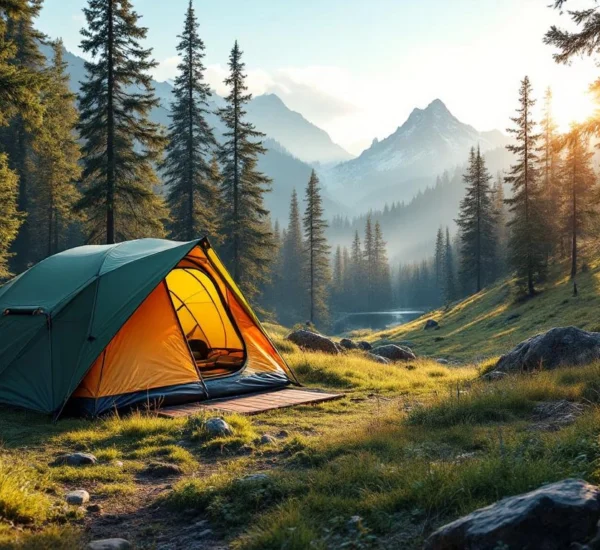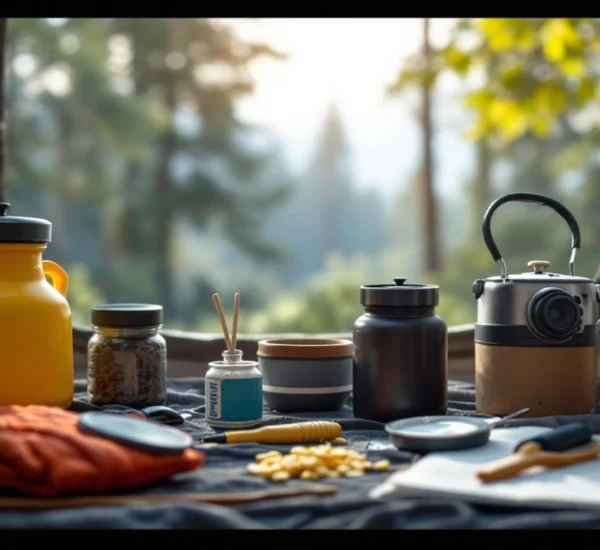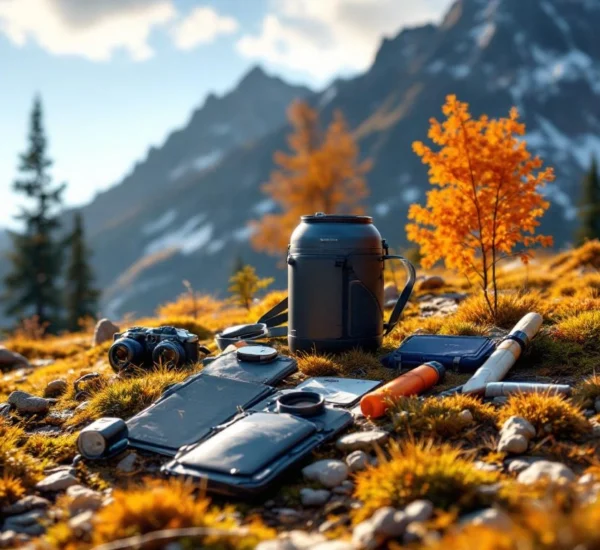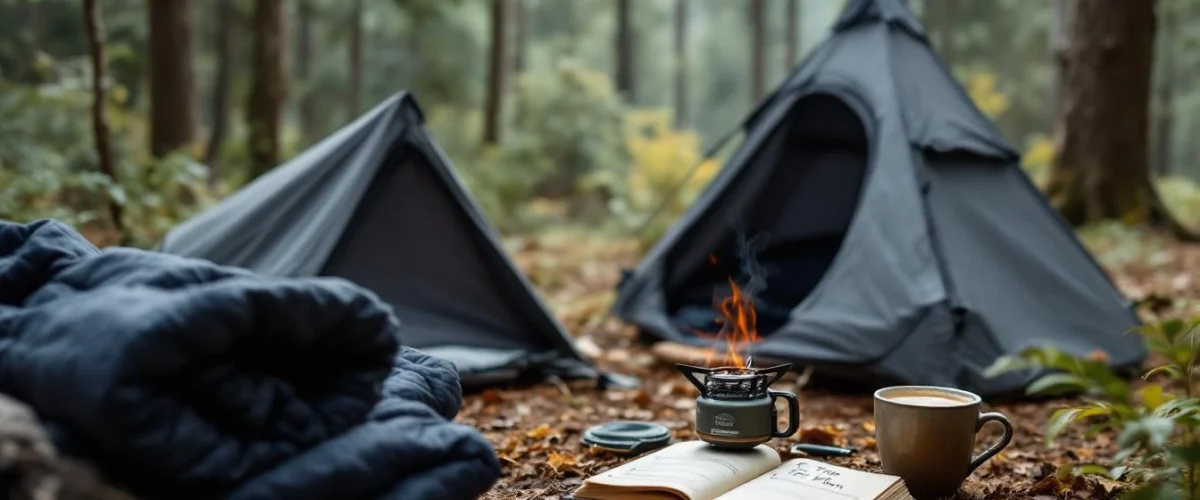
Minimalist camping is gaining huge momentum in 2026 as more people look for simpler, lighter, and budget‑friendly ways to enjoy the outdoors. If you’ve been wondering how to start minimalist camping without feeling overwhelmed, you’re in the right place. This guide breaks the process into seven clear steps designed for first‑timers who want confidence, safety, and comfort without packing half their home. You’ll learn exactly what gear matters, how to choose a beginner‑friendly campsite, how to streamline your packing, and how to avoid the common pitfalls that derail many new campers. Whether you’re chasing freedom, efficiency, or a calmer outdoor experience, these steps will help you start strong.
Table of Contents
- Step 1 – Define Your Minimalist Camping Goal
- Step 2 – Strip Down Your Gear List
- Step 3 – Choose a Beginner-Friendly Campsite
- Step 4 – Pack Only the Essentials
- Step 5 – Master Simple Camp Setup
- Step 6 – Safety, Weather & Navigation Basics
- Step 7 – Test, Adjust & Improve
- Checklist
- Common Mistakes
- Frequently Asked Questions
- Conclusion
Step 1 – Define Your Minimalist Camping Goal
Before buying gear or picking a trail, take a moment to establish what minimalism means for you. This step shapes the whole experience and keeps you from overspending or overpacking.
Identify your comfort level and trip expectations
Ask yourself what comforts you’re willing to keep and which you can let go. Beginners often assume minimalism means suffering, but it simply means choosing gear that does more with less. A simple pad and small stove may be all you need for a short trip.
Understand what “minimalist” means for beginners
For most new campers, minimalist camping for beginners involves reducing bulk while keeping safety and sleep quality high. The goal is to simplify, not compromise your experience.
Decide on duration, distance, and season
Shorter stays and warmer months make the transition easier. As you build skills, you can try colder nights or longer hikes.
Parks Canada’s camping basics offer helpful seasonal considerations.
Step 2 – Strip Down Your Gear List
This step shows you how to compare what you already own with what minimalist camping requires.
Evaluate current gear vs minimalist alternatives
Lay everything out on the floor. Most beginners find duplicates or bulky items that serve the same function. You can often swap traditional gear with lighter, packable versions.
What gear you actually need for Minimalist camping for beginners
Your core items include a lightweight shelter, packable sleep system, simple stove or no-cook meals, one spare outfit, and basic safety gear. Everything else is optional.
Lightweight substitutions and DIY hacks
Try multipurpose items like a bandana (towel, pot holder, sun shield) or a titanium mug that doubles as a pot. Cutting toothbrush handles or reusing lightweight containers also saves space.
Lightweight camping gear guide
REI Gear Advice is excellent for beginner-friendly comparisons.
Step 3 – Choose a Beginner-Friendly Campsite
Your campsite choice can make or break your first minimalist trip.
How to compare campgrounds for minimalist suitability
Look for sites with flat terrain, light tree cover, and easy access to water. This reduces the gear you need and lowers stress on setup.
Facilities vs no-facilities: what beginners should pick
Start with a managed campground that has bathrooms and potable water. You can gradually transition to primitive sites later.
Seasonal conditions to consider
Early fall and late spring often bring mild temperatures and fewer insects—ideal for beginners learning the basics.
National Park Service camping recommendations help you compare locations safely.
Step 4 – Pack Only the Essentials
Packing smart is the heart of minimalist camping and keeps your load light without sacrificing comfort.
Shelter, sleep system, clothing, food basics
Include a compact tent or tarp, insulated pad, and sleeping bag rated for your season. Pack moisture-wicking clothing and simple meals that require minimal fuel.
Weight-saving strategies for 2026 gear trends
New 2026 ultralight materials allow you to cut significant weight. Consider down quilts, silicone-coated tarps, and collapsible cookware.
How to avoid overpacking
Limit yourself to one of each essential category: one mug, one stove, one jacket. If it doesn’t serve at least one clear purpose, leave it home.
Step 5 – Master Simple Camp Setup
A fast, no-fuss setup keeps you focused on the experience, not the gear.
A no-fuss pitching method for quick setup
Practice pitching your tent or tarp at home until you can do it in under ten minutes. Fewer poles and fewer stakes mean fewer headaches.
Minimalist cooking and hydration workflow
Use one-pot recipes, cold-soak meals, or pre-hydrated options. Simplify water treatment using squeeze filters or purification tablets.
Leave No Trace essentials
Minimalism pairs naturally with environmental stewardship. Always pack out trash, camp on durable surfaces, and respect wildlife.
Learn the Leave No Trace principles
Step 6 – Safety, Weather & Navigation Basics
You can camp minimally without skipping crucial safety steps.
Minimalist safety gear that still matters
Carry a small first-aid kit, emergency blanket, whistle, headlamp, and charged phone or offline map. Safety gear is never optional.
Simple weather checks and risk planning
Check the forecast before you leave and again right before entering the trailhead. Avoid high-wind or storm-heavy conditions, especially on your first trip.
Basic navigation tools every beginner should carry
Keep a pocket map, compass, and downloaded offline navigation app. Minimalist doesn’t mean navigating blindly.
Step 7 – Test, Adjust & Improve
The best minimalist campers refine their setup with each trip.
How to run a backyard or local test trip
Spend a night close to home using only your minimalist kit. This reveals what you forgot and what you don’t need.
Tracking what you used vs didn’t use
After each outing, list the gear you actually used. Remove any item you haven’t used in two or three trips unless it’s essential safety equipment.
Scaling up to longer 2026 trips
Once you’re comfortable with the basics, extend your trips or try new locations with different weather and terrain.
Checklist
- Pack only multi-use gear
- Choose a beginner-friendly campsite
- Track what you actually use
- Practice pitching your shelter beforehand
- Monitor weather and safety updates
- Keep meals simple but calorie-efficient
- Follow Leave No Trace principles
Common Mistakes
- Bringing too much “just in case” gear
- Choosing remote sites too soon
- Ignoring weather forecasts
- Buying expensive gear before testing minimalism
- Underestimating nighttime temperatures
- Skipping basic first-aid supplies
Frequently Asked Questions
1. What is the easiest way to start minimalist camping for beginners?
Begin with a short, local trip using only your core gear: shelter, sleep system, simple meals, and basic safety equipment. This keeps things manageable and helps you learn efficiently.
2. How to start minimalist camping if I’ve never camped before?
Start small, choose a campground with amenities, and use this guide’s seven-step process to stay organized and safe.
3. What gear do I actually need for minimalist camping in 2026?
You only need a lightweight shelter, sleep setup, weather-appropriate clothing, simple food, water treatment, and basic safety tools.
4. Is minimalist camping safe for solo beginners?
Yes, as long as you choose easy terrain, check weather updates, and bring essential safety gear. Many solo campers prefer the simplicity of minimalism.
5. How do I choose the right campsite for minimalist camping?
Pick managed campgrounds first. Look for flat ground, water access, and reliable weather conditions.
6. What mistakes should Minimalist camping for beginners avoid?
Avoid overpacking, ignoring weather shifts, and skipping practice setup sessions at home.
7. How do I keep pack weight low without sacrificing safety?
Use multi-use gear, lighten your shelter and sleep system first, and never remove essential first-aid or navigation tools.
Conclusion
Minimalist camping is an approachable, rewarding way to enjoy the outdoors without complexity or clutter. By following these seven steps—defining your goals, cutting down your gear list, choosing the right campsite, packing only essentials, mastering simple setups, staying weather-aware, and testing your system—you’ll build a safe, efficient camping style that can grow with you throughout 2026. If you’ve been waiting for a sign to learn how to start minimalist camping, this is the moment to begin. Try a weekend test trip, refine your setup, and explore more of the outdoors with confidence. For deeper planning, check out our related beginner-friendly guides and start building your minimalist routine today.