A heavy pack can quietly ruin an otherwise great trip—sore shoulders, slow miles, and nagging doubts about every decision you made at home. If you’ve ever wondered how to lighten backpack weight without cutting corners on safety, you’re in the right place. Ultralight backpacking isn’t about suffering or ditching essentials; it’s about making smart, tested choices that match real conditions. In this guide, you’ll learn practical gear swaps, packing strategies, and mindset shifts that actually work on the trail. We’ll walk through proven ways to reduce weight responsibly, test assumptions, and build confidence—so your pack feels lighter and your days feel longer.
Table of Contents
- Audit Your Pack Weight First
- Rethink the “Big Three” Gear Items
- Dial In Clothing & Layering Systems
- Simplify Food & Water Strategy
- Cut Redundancies and Multipurpose Gear
- Ultralight Skills That Replace Heavy Gear
- Weigh Safety, Comfort, and Weight Trade-Offs
Audit Your Pack Weight First to Learn How to Lighten Backpack Weight
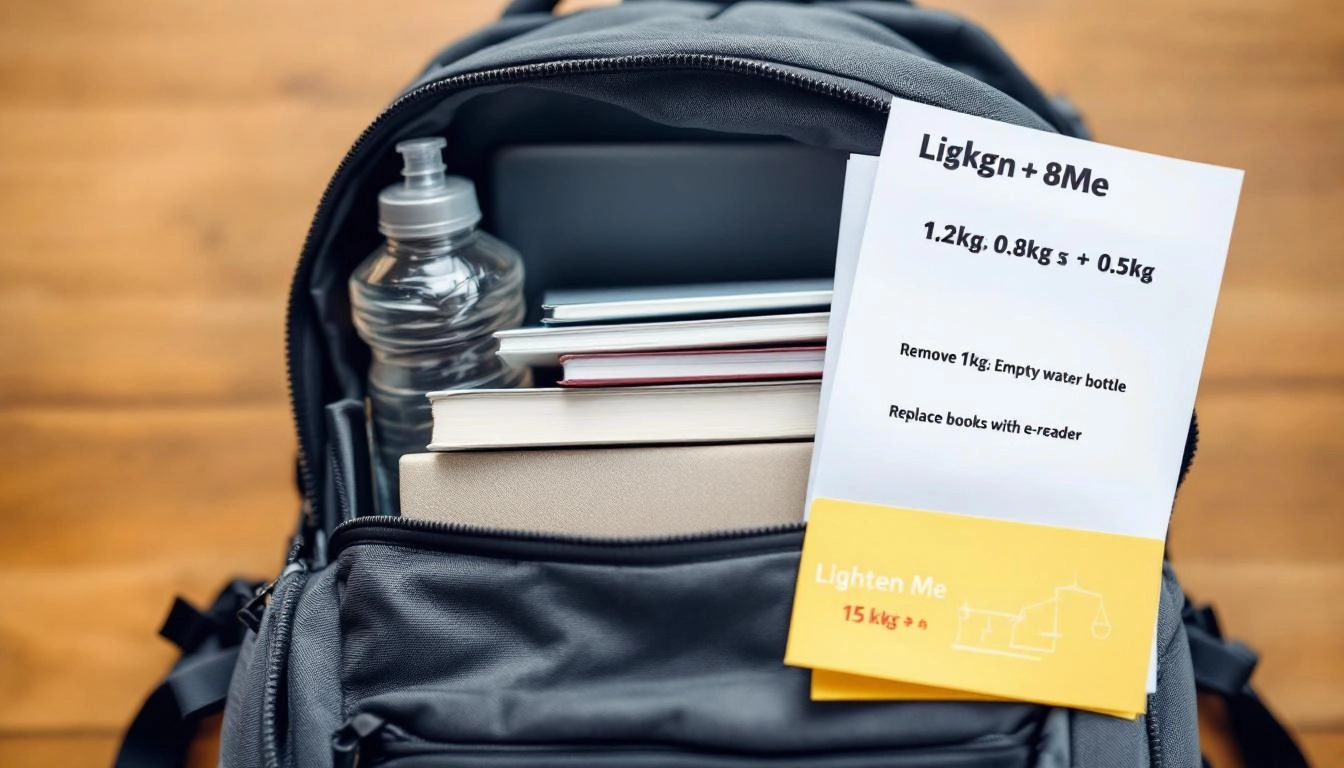
Before buying anything new, measure what you already carry. A simple audit shows where weight is hiding and prevents expensive mistakes. Many hikers are surprised that small accessories add up faster than big items, especially when following advice from minimalist camping resources.
Base weight vs. consumables explained
Base weight includes everything in your pack except food, water, and fuel. Consumables fluctuate daily, so base weight is the best benchmark for progress. Lowering base weight improves comfort regardless of trip length.
How to create a simple gear spreadsheet or checklist
Lay out all gear, weigh each item (down to stakes and stuff sacks), and record it. A notes column helps flag “luxury,” “safety,” or “seasonal” items. This clarity makes trade-offs intentional, not accidental.
Experience prompt
First-time audits often reveal heavy surprises: extra bags, duplicate electronics, or bulky cook kits. Seeing the numbers changes habits faster than any tip list.
Rethink the “Big Three” Gear Items
Your pack, shelter, and sleep system usually account for the majority of base weight. Thoughtful changes here create the biggest gains—provided you match them to conditions, as highlighted in lightweight camping guidance.
Ultralight shelter options and real weather considerations
Tarp-style shelters, trekking-pole tents, and minimalist freestanding tents can save weight, but only if you understand site selection and weather exposure. Prioritize adequate coverage and ventilation for your climate, not just the lightest spec.
Sleeping systems: warmth-to-weight trade-offs
Down quilts and streamlined sleeping bags shine when paired with the right pad. The system matters more than any single piece. Be conservative about temperature ratings until you’ve tested your setup locally.
Experience prompt
Many hikers go too light too fast and end a night cold. Testing lighter sleep gear on low-risk trips avoids miserable backcountry lessons.
Dial In Clothing & Layering Systems
Clothing is where “just in case” thinking adds pounds. A simple, proven layering system covers most conditions without duplication and aligns well with minimalist hiking principles.
Avoiding overpacking clothes for “what if” scenarios
Choose items that work while hiking and at camp. One spare layer for insulation and one for rain is often enough when combined thoughtfully.
Layering strategies that reduce total ounces
A light base layer, an insulating mid-layer, and a reliable shell adapt well. Focus on versatility over single-purpose pieces.
Experience prompt
Think back: which clothing stayed unused on your last trip? Those are prime candidates to leave behind next time.
Simplify Food & Water Strategy
Food and water are essential, but they’re also heavy. Planning reduces excess without risking thirst or hunger.
Calorie density vs. food weight basics
Compact foods with higher calories per ounce reduce bulk. Balance nutrition with appetite—food you won’t eat is dead weight.
Water capacity decisions based on location and season
Carry capacity based on expected sources and temperatures. Researching conditions through land managers and trip reports helps avoid unnecessary liters. For general safety guidance, consult resources from the National Park Service and U.S. Forest Service.
Experience prompt
Common mistakes include starting with too much water “just in case.” Learning where reliable sources exist makes a big difference.
Cut Redundancies and Multipurpose Gear
Redundancy sneaks in when gear is added over time. Streamlining keeps essentials while trimming bulk.
Identifying duplicate items that serve the same function
Look for overlap: multiple knives, extra lights, or backup cook tools. Choose one reliable option and test it.
Smart multipurpose gear examples
A pot that doubles as a mug, a buff that works as a hat, or trekking poles that support a shelter are classic weight-savers.
Experience prompt
Notice what never leaves your pack at camp. Those items are telling you something.
Ultralight Skills That Replace Heavy Gear
Skills weigh nothing. As they improve, your reliance on backup items decreases.
Campsite selection and weather awareness skills
Choosing sheltered sites and understanding forecasts reduces the need for heavier gear. Follow low-impact practices recommended by Leave No Trace.
Basic repair and improvisation techniques
Simple fixes—like patching a pad or securing a stake—prevent small issues from becoming trip-enders.
Experience prompt
Most seasoned hikers credit judgment and preparation more than ounces saved.
Weigh Safety, Comfort, and Weight Trade-Offs
The best ultralight approach balances comfort and preparedness. Cutting weight should improve your experience, not gamble with it.
When NOT to go ultralight
Harsh weather, remote routes, and limited experience call for conservative choices. Adjust goals to conditions.
Adjusting weight goals for beginners vs. experienced hikers
New hikers benefit from gradual changes. Experienced hikers refine systems over time. Both can apply Ultralight backpacking tips thoughtfully, especially when informed by lightweight adventure blogs.
Experience prompt
Everyone has a personal comfort threshold. Respecting it keeps trips enjoyable and safe.
Checklist
- Pack audited before purchase changes
- Big three evaluated for weight vs. conditions
- Clothing limited to proven layers
- Food planned by calories per ounce
- Redundant items removed
- Safety items consciously chosen, not accidental
Common Mistakes
- Cutting safety gear without skills to compensate
- Chasing the lightest gear without testing it
- Overpacking clothes and “just in case” items
- Ignoring terrain, weather, or season
Frequently Asked Questions
How can I lighten backpack weight naturally without buying new gear?
Start by auditing and removing redundancies, refining clothing layers, and improving planning. Many hikers shed significant weight before spending a dollar.
What are the most effective Ultralight backpacking tips for beginners?
Focus on skills, simple systems, and testing changes close to home. Gradual improvements beat drastic cuts.
How much backpack weight is safe for multi-day hikes?
Safety depends on terrain, conditions, and experience. There’s no universal number—prioritize preparedness over targets.
Does ultralight backpacking compromise safety?
It can if taken to extremes. Done responsibly, it emphasizes knowledge and efficiency rather than risk.
How do I lighten backpack weight for different seasons?
Adjust insulation, shelter, and water strategy by temperature and forecast instead of carrying the same kit year-round.
What gear should never be removed when going ultralight?
Navigation tools, first aid basics, weather protection, and emergency communication should always be considered.
Conclusion
Learning how to lighten backpack weight isn’t about chasing numbers—it’s about hiking farther with less strain and more confidence. Start with an honest audit, make small, tested changes, and build skills alongside lighter gear. Over time, these decisions compound into trips that feel smoother and safer. Try one adjustment on your next outing, note what worked, and keep refining. Share your experience in the comments and explore another guide to keep improving your system.