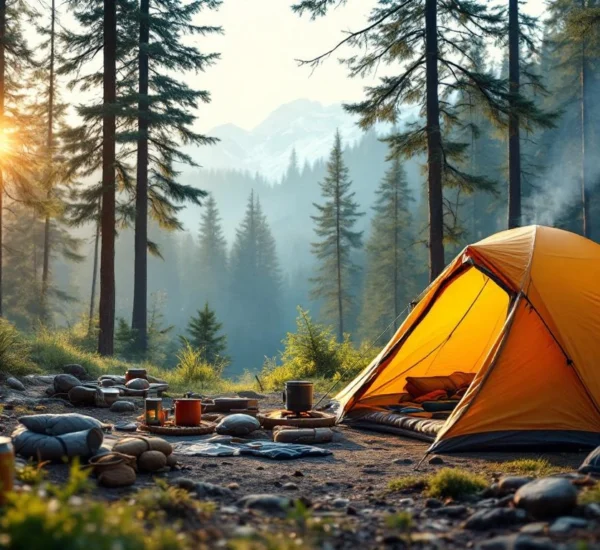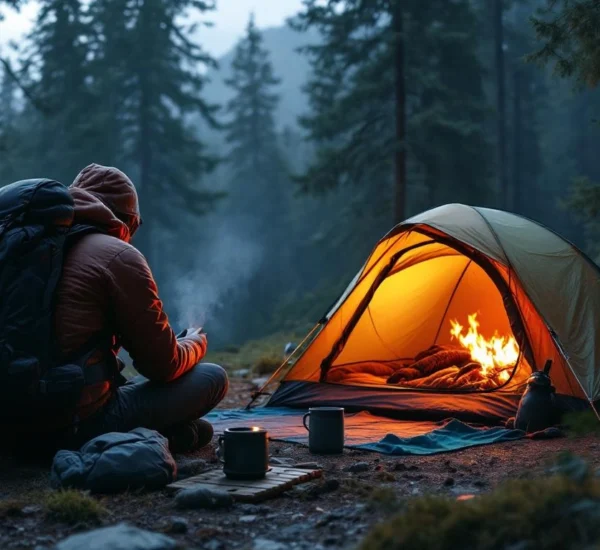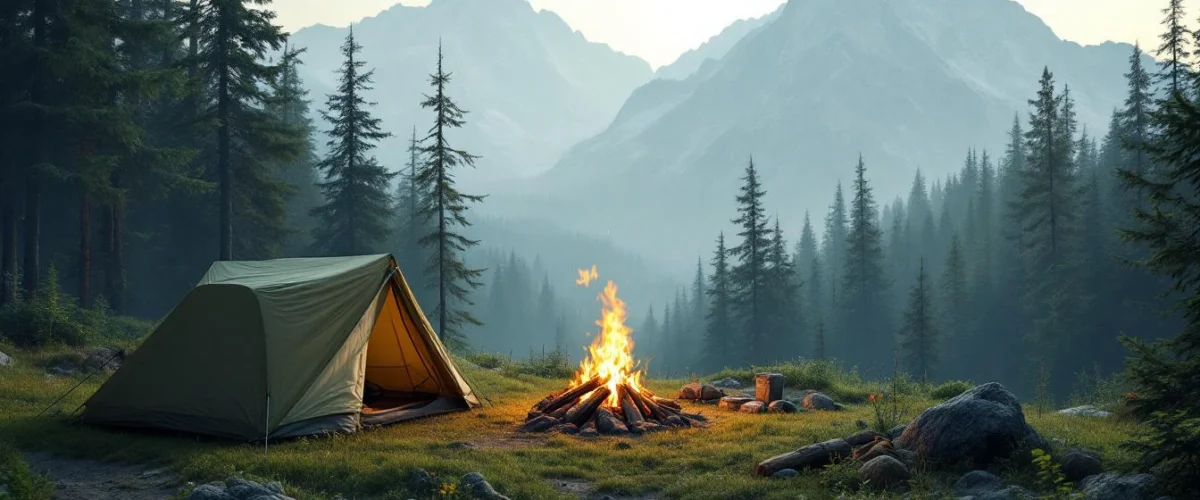
You arrive at camp feeling proud of your light pack. The trail felt easier, your shoulders aren’t screaming, and you’re convinced you finally cracked the ultralight code. Then the temperature drops faster than expected—and you realize you cut your warm layer. Or your headlamp flickers and you brought no spare batteries. These are the common challenges of minimalist camping, and they’re rarely about weight alone. They’re about judgment, preparation, and small trade-offs that stack up fast. Many first-timers underestimate these Minimalist camping challenges. In this guide, you’ll learn seven field-tested ways to solve the biggest obstacles without overpacking—so you can stay safe, comfortable, and confident with less on your back.
Table of Contents
- Why Minimalist Camping Feels Harder Than It Looks
- Overpacking vs. Underpacking
- Weather Exposure With Limited Gear
- Food, Water & Energy Management
- Comfort vs. Weight Trade-Offs
- Navigation, Safety & Emergency Gaps
- Campsite Selection With Minimal Setup
Why Minimalist Camping Feels Harder Than It Looks
Minimalist camping looks clean on paper: trim the list, cut duplicate gear, move faster. In reality, a lighter pack leaves less margin for error. When something goes wrong, you feel it sooner.
The psychology of “less is better”
There’s a temptation to chase a number—base weight under ten pounds, pack under twenty. Suddenly you’re debating whether a rain shell is “really necessary.” Intentional minimalism is thoughtful. Reckless omission is ego-driven.
A simple test: if the item protects you from injury, hypothermia, dehydration, or getting lost, it’s not luxury. It’s insurance.
The compounding effect of small omissions
Picture this: you skip a dry base layer to save space. Afternoon sweat cools off at sunset. You shiver through dinner, sleep poorly, and start the next day fatigued. That fatigue leads to slower decision-making. One small omission multiplies.
This is where the common challenges of minimalist camping show up—quietly, then all at once.
Overpacking vs. Underpacking
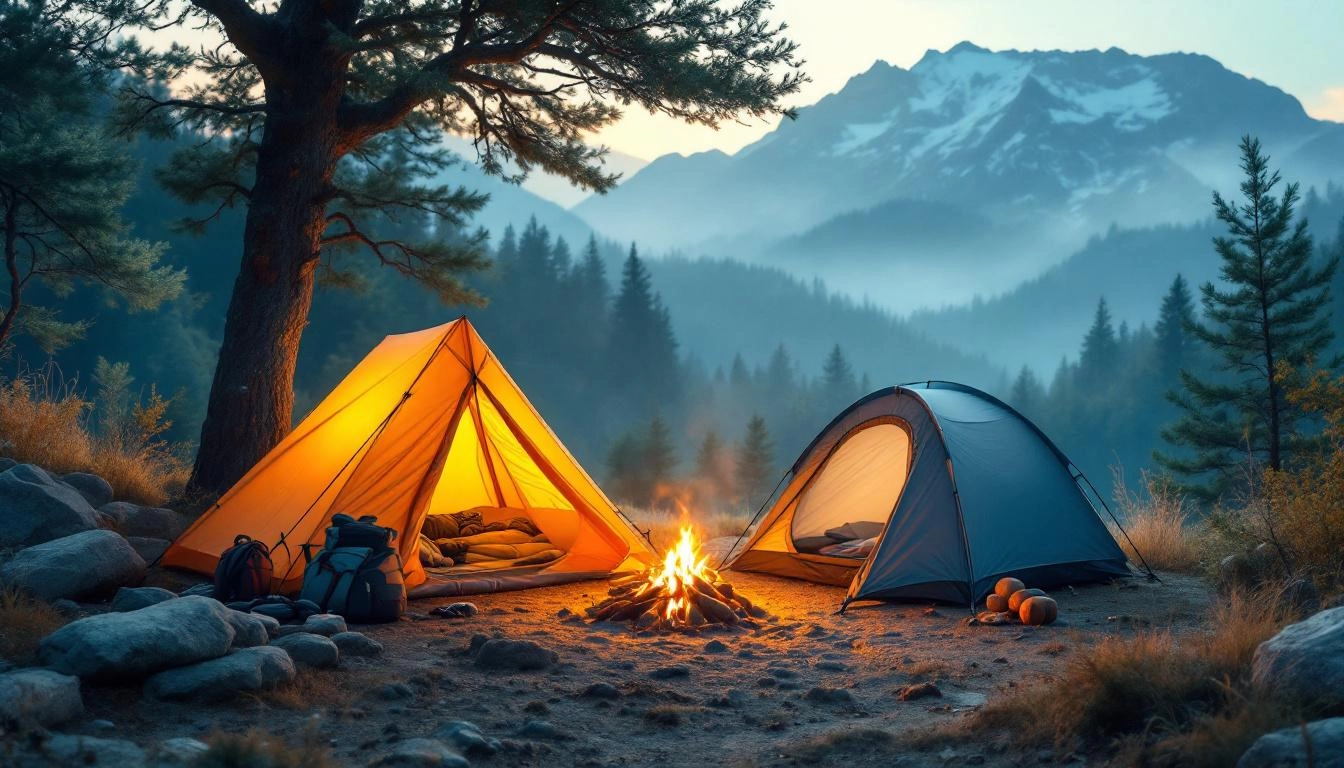
Most hikers swing between extremes. They either carry their fears or cut too aggressively. Among the common challenges of minimalist camping, finding the middle ground is one of the hardest skills to develop.
How to identify true essentials
Run every item through this four-part filter:
- Survival: Does it prevent serious harm (weather protection, first aid, water treatment)?
- Mobility: Does it help me move safely (foot care, navigation)?
- Weather: Can conditions shift beyond the forecast?
- Calories: Does it support energy and recovery?
Test new systems on a one-night trip close to home. If something fails, you can bail out quickly.
Common overcorrections in Minimalist camping challenges
Common cuts that backfire:
- Removing a basic repair kit (needle, tape, patch).
- Reducing first aid to a couple of bandages.
- Bringing only one ignition source.
At the trailhead, pause and check: fuel level, water capacity, insulation layers, headlamp function. Fix problems before you’re five miles in.
Epic Win #1: Build a “Non-Negotiables List”
Create a short list that never gets cut—season-adjusted and terrain-specific. Examples:
- Weather-appropriate insulation
- Water treatment backup
- Map and compass
- Blister care
This list keeps Minimalist camping challenges from turning into preventable mistakes, especially when planning trips to destinations like the best eco-conscious wildlife camping spots for a green getaway where preparation and self-reliance matter.
Weather Exposure With Limited Gear
Minimal gear means less buffer when conditions change. Plan for variability, not averages—particularly in remote areas featured in guides to the top eco-friendly wildlife camping destinations where conditions can shift quickly.
Planning for variability, not averages
Before any trip, check official park or land management forecasts and advisories. Agencies like the National Park Service camping and safety page and the U.S. Forest Service recreation safety guidance outline seasonal risks and alerts.
On site, assess wind exposure, elevation dips where cold settles, and tree cover. If your tarp flaps hard at dusk, move it before dark. Don’t hope it calms down.
Layering strategy without overpacking
Pack layers that multitask. A lightweight rain shell blocks wind on ridgelines. A buff doubles as hat or sun guard. An insulated sleeping pad adds both comfort and warmth—cold ground drains heat fast, often more than the air around you.
Epic Win #2: Choose Gear That Covers Two Risks at Once
Every item should answer at least two problems. For example, trekking poles support knees and prop up a tarp shelter. Fewer items, smarter functions.
Food, Water & Energy Management
A lighter pack doesn’t cancel your calorie needs. Many hikers feel chilled late afternoon not because they lack layers—but because they’re under-fueled.
Underestimating calorie burn
If you’re dragging by 4 p.m., eat first. Quick carbs plus fat—like a tortilla with nut butter—can reset your energy within minutes. One extra high-calorie snack per day is cheap insurance.
Water planning mistakes
Research water sources using official park resources. Regulations and availability vary by region—check current rules through agencies such as Parks Canada’s camping guidelines or local land managers.
Carry enough capacity to reach the next confirmed source. If a stream is dry, don’t ration dangerously—adjust route or retreat.
Epic Win #3: Simple Meal Systems That Don’t Fail
Keep meals straightforward. One pot or cold soak. Always have a no-cook backup in case fuel runs out. Hunger erodes judgment faster than a heavy pack ever will.
Comfort vs. Weight Trade-Offs
Every minimalist faces the camping weight vs comfort equation. There’s no universal right answer—only honest priorities.
Sleep setup decisions
Foam pads weigh little and never puncture, but bulk up. Inflatable pads offer cushion and insulation at lower packed size but require care. If you’re camping on rocky ground, durability might outweigh grams saved.
Clothing restraint without regret
Always protect your sleep. A dedicated dry layer for camp prevents the chill that ruins morale. In shoulder seasons, cutting insulation is one of the most common ultralight camping mistakes.
Epic Win #4: Define Your Personal “Misery Threshold”
Ask yourself: are you optimizing for miles or enjoyment? If poor sleep ruins your trip, add the extra ounces. Smart minimalism supports the experience—it doesn’t punish you for chasing numbers.
Navigation, Safety & Emergency Gaps
This is where lightweight backpacking challenges can turn serious, especially in remote habitats like those highlighted in the best eco-conscious wildlife camping spots guide.
The danger of cutting backup systems
Carry a physical map and compass—even if you rely on GPS. Electronics fail. Batteries drain faster in cold. A small backup battery may weigh less than the consequences of getting lost.
Know the regulations before you go
Fire rules, wildlife storage requirements, and permits vary widely. Confirm details using official sources like the Leave No Trace 7 Principles and regional agency websites. Never assume last year’s rules still apply.
Epic Win #5: Redundancy in Skills, Not Gear
Practice setting up your shelter in wind. Review map reading at a local park. Skill weighs nothing and solves more problems than an extra gadget.
Campsite Selection With Minimal Setup
When you carry less, site choice matters more.
Site choice matters more when gear is minimal
Look for slight elevation to avoid pooling water. Check for widowmakers—dead branches overhead. Observe wind direction. If gusts swirl unpredictably, you may be in a funnel; move before committing.
Leave No Trace discipline with fewer tools
Minimal gear doesn’t mean minimal responsibility. Follow established guidelines to reduce impact, especially regarding campsite placement and waste disposal. Review the official Leave No Trace principles before each trip.
Epic Win #6: Arrive Early, Inspect Thoroughly
Daylight gives options. Darkness forces compromise.
Epic Win #7: Adjust on Arrival, Not After Dark
If a site feels exposed or cramped, relocate immediately. Resetting before dinner is easy. Resetting at 10 p.m. in wind is not.
Checklist
- Non-negotiable safety kit packed
- Weather forecast checked via official source
- Backup water plan confirmed
- Extra calories packed
- Shelter tested before trip
- Map and compass included
- Campsite inspection routine prepared
Common Mistakes
- Chasing base weight numbers instead of real comfort
- Ignoring seasonal temperature swings
- Skipping first aid or repair supplies
- Testing new gear on a multi-day trip first
- Assuming rules are the same everywhere—always verify with official park sources
Frequently Asked Questions
What are the most common challenges of minimalist camping for beginners?
The most common challenges of minimalist camping include cutting critical safety gear, underestimating weather swings, misjudging calorie needs, and skipping navigation backups. Beginners often remove items too aggressively without field-testing their system first.
How do I handle Minimalist camping challenges without overpacking again?
Start with a non-negotiables list and test gear on short trips. Focus on skills, multi-use equipment, and seasonal adjustments rather than adding random “just in case” items.
Is minimalist camping safe in colder weather?
Yes—if your insulation, shelter, and sleep system match the conditions. Never sacrifice critical warmth for weight in cold environments. Verify weather and advisories through official park services before departure.
How much food should I really bring on a minimalist trip?
Plan for steady energy throughout the day and pack at least one extra high-calorie snack per day. If you consistently finish trips exhausted and irritable, slightly increase daily calories rather than adding more clothing.
What safety items should never be removed from a minimalist packing list?
Core insulation, water treatment, navigation tools, first aid basics, and a reliable light source should always remain. Remove redundancies, not essentials.
Can minimalist camping work in regulated national or provincial parks?
Absolutely—but verify local fire regulations, wildlife storage rules, and permit requirements through official agency websites before your trip. Minimal gear must still comply with park requirements.
Conclusion
The common challenges of minimalist camping are solvable. They’re not about suffering or proving toughness. They’re about thoughtful preparation, honest evaluation of your limits, and smart decisions on the ground. Start with short overnight trips. Tweak one variable at a time. Ask yourself what you cut and whether you missed it. What’s one item you’ve left behind and regretted? Share your experience, refine your system, and head into your next lightweight trip knowing the common challenges of minimalist camping are simply part of the learning curve—not the end of the road.