Your shoulders ache somewhere past mile six. You stop, dig for a snack, and notice three things you haven’t touched once today. That moment—halfway to camp, staring at unused gear—is where the benefits of ultralight camping click. Going lighter isn’t about chasing a number on a spreadsheet. It’s about moving better, arriving with energy, and enjoying camp instead of collapsing into it. In this guide, you’ll learn how lighter packs change fatigue, setup time, comfort, and access to places many hikers skip. You’ll also see the trade-offs, when ultralight makes sense, and when traditional gear still wins—so you can decide without replacing everything you own.
Table of Contents
- 1. Walk Farther With Less Fatigue
- 2. Faster Setups and Simpler Camps
- 3. Better Comfort Through Smarter Gear
- 4. Access Remote Places Traditional Campers Skip
- 5. Reduced Strain on Joints and Injury Risk
- 6. More Intentional, Eco‑Aware Camping
- 7. Customizable to Your Seasons and Style
1. Walk Farther With Less Fatigue (One of the Real Benefits of Ultralight Camping)
Pack weight compounds over distance. Two or three pounds might feel trivial in the parking lot, then start tugging at your hips after hour three on uneven trail. Lighter packs change your stride, breathing, and how often you stop.
Why weight compounds
Every step lifts your pack. On climbs, that extra effort stacks. On descents, you brace harder. Lightening the load smooths both.
Decision rule: how light is “light enough”?
For short overnights, aim for “lighter than last time” rather than a category label. For multi-day trips, notice when fatigue stops dictating pace. If you finish days with energy to cook and stretch, you’re there.
Trade-offs to watch
Less padding and smaller margins if weather shifts. If a forecast looks unstable, keep a little buffer.
2. Faster Setups and Simpler Camps
Minimal gear means fewer decisions after sunset. You arrive, pitch, eat, and rest—no rummaging.
Count what you actually use
Most nights boil down to shelter, sleep, food, water, and light. Everything else should earn its place.
Morning breakdown speed
Ultralight shines on routes with early starts. A small kit packs fast, letting you move with the cool air.
Common mistake
Cutting redundancy too early. Keep backups for critical systems until you’ve tested your kit.
3. Better Comfort Through Smarter Gear
Comfort isn’t just padding. It’s balance, fit, and how gear moves with you.
Fit beats fluff
A well-fitted pack with thoughtful load placement often feels better than a heavier, cushier option.
Sleep systems: warmth-to-weight
Test insulation near home first. If you sleep cold, add margin before committing.
When traditional gear still wins
Car camping, basecamps, and shoulder seasons with wide temperature swings.
4. Access Remote Places Traditional Campers Skip
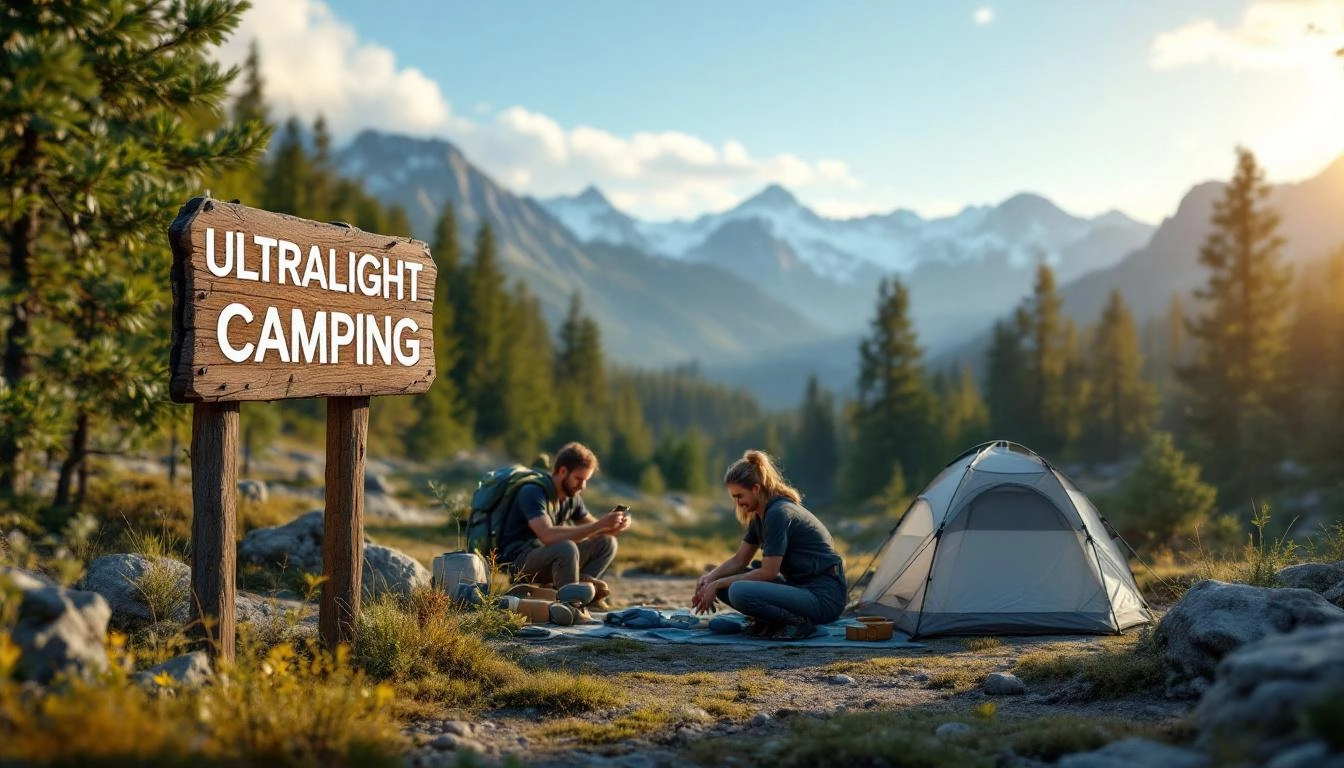
Longer mileage opens loops, ridgelines, and quieter zones. That’s a core of the benefits of ultralight backpacking—not speed for speed’s sake, but options.
Permits and access
Always verify route rules and access with official park sources before planning.
Safety check
Lighter doesn’t mean rushing miles. Keep conservative turnaround times.
5. Reduced Strain on Joints and Injury Risk
Knees and ankles feel weight most on descents. Lighter packs reduce impact and bracing.
Footwear balance
Lighter packs can pair with lighter shoes—but only if your feet and terrain agree.
Mistake to avoid
Ignoring strength and conditioning. Train descents.
6. More Intentional, Eco‑Aware Camping
Smaller kits tempt less overpacking and help keep camps tidy.
Leave No Trace basics
Confirm current principles and local guidance before each trip. Practice restraint with food, fires, and waste.
7. Customizable to Your Seasons and Style
Ultralight isn’t one rigid kit. Swap pieces by season and objective.
Budget realities
Remove first, then replace. Big savings often come from shelter and sleep, not gadgets.
Who it’s not for (yet)
Winter novices, group leaders carrying shared gear, or anyone skipping testing.
Checklist
- Estimate base weight for a 2–3 day trip
- Target big wins: shelter, sleep, pack
- Pre-trip shakedown: “Did I use this last trip?”
- Weather and terrain reality check
Common Mistakes
- Chasing the lightest number over usable comfort
- Skipping testing of meals, sleep, or shelter
- Assuming benefits carry into winter or severe weather
- Overspending before knowing personal needs
Frequently Asked Questions
What are the real benefits of ultralight camping for beginners?
You’ll notice less fatigue, faster routines, and better enjoyment—if you test gear locally and keep safety margins. Many hikers find even short trips feel easier after understanding the advantages of going ultralight.
Are the Benefits of ultralight backpacking worth it for short trips?
Often, yes. Overnights become easier, and those gains carry to longer routes.
How light is considered “ultralight” without sacrificing safety?
Light enough that you finish days comfortably while keeping weather-appropriate shelter, insulation, and navigation.
Is ultralight camping more expensive in the long run?
It can be, but removing items first controls cost.
Can ultralight setups handle bad weather?
With the right designs and experience—yes. Choose tested gear and conservative plans.
What gear should I upgrade first when going ultralight?
Shelter and sleep systems typically offer the largest weight savings.
Conclusion
Ultralight is a tool, not a rule. Start by carrying less of what you don’t use, then refine what remains. Try one lighter trip and notice what changes on trail—pace, mood, recovery. When done thoughtfully, the benefits of ultralight camping show up as better days, calmer camps, and more places within reach.