You don’t really notice your sleeping pad—until 3 a.m., when the cold from the ground creeps through your bag and into your hips. I’ve had nights where tree roots felt like railroad ties and frost settled on the inside of my shelter. That’s exactly why ultralight camping pads matter. The right pad isn’t just about shaving grams; it’s about real sleep after real miles.
In this Lightweight sleeping pad guide, you’ll find seven standout ultralight camping pads for 2026 plus clear, field-tested advice on how to choose the right one for your trips. We’ll break down R-value without overbuying, comfort trade-offs, when saving 100 grams actually matters, and how to match your pad to summer, shoulder-season, and longer thru-hikes. For a deeper comparison of top models, see our best lightweight sleeping pads 2026 stunning comfort guide.
Table of Contents
- Why Ultralight Camping Pads Matter
- How to Choose the Right Lightweight Sleeping Pad (2026 Guide)
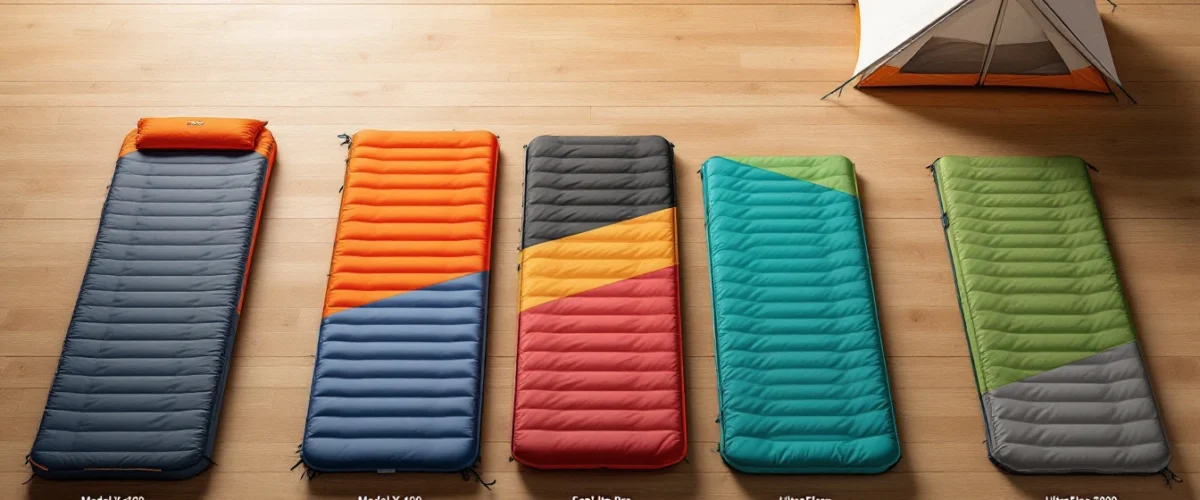
- 7 Stunning Ultralight Camping Pads for 2026
- Real-World Comfort & Sleep Considerations
- Weight vs Warmth vs Durability Trade-Offs
- Care, Repair & Longevity Tips
Why Ultralight Camping Pads Matter
A lightweight backpack loses its charm fast if you’re exhausted from poor sleep. The ground pulls heat from your body far more efficiently than air does. Even when evening temperatures feel mild, the soil beneath you may be much colder—especially near alpine lakes, exposed ridgelines, or shaded forest sites.
Ground Insulation: What Actually Keeps You Warm
R-value measures resistance to heat flow. The higher the number, the better the insulation. Most reputable brands now test using standardized ASTM methods—check manufacturer specs to confirm current ratings.
- Warm summer conditions: lower R-value can work.
- Three-season use: moderate R-value balances warmth and weight.
- Shoulder season or high elevation: higher R-value reduces cold ground transfer.
I’ve slept on a low R-value pad in early fall thinking, “It’s only dipping slightly tonight.” The air was fine. The frozen soil wasn’t. If you’re unsure, lean slightly warmer than forecast—especially in exposed terrain. The National Weather Service cold safety guidance is a solid reminder that ground conditions can amplify risk.
Weight & Pack Volume in Real Backpacking Scenarios
In purely numbers-driven ultralight setups, 100–150 grams may feel significant. On a weekend trip, you might never notice it. On a multi-week hike with thousands of steps per day, those small differences compound.
Before choosing the absolute lightest option, ask: Will shaving those grams cost you durability or warmth? If you’re camping on rocky desert flats or hardened backcountry pads, fragile fabrics demand extra caution. Our in-depth breakdown of top-rated ultralight sleeping pads for 2026 highlights where weight savings make sense.
Who Should (and Shouldn’t) Go Ultralight
Ultralight camping pads are ideal for:
- Thru-hikers counting ounces daily.
- Fastpackers moving quickly with minimal base weight.
- Summer backpackers prioritizing pack volume.
They may not be ideal for:
- Strict side sleepers with hip pressure issues.
- Cold sleepers heading into shoulder season.
- Anyone new to backpacking who values foolproof durability over grams.
How to Choose the Right Lightweight Sleeping Pad (2026 Guide)
Treat this section as your decision filter. Specs alone won’t tell the full story.
If you’re evaluating different builds and warmth ratings, reviewing a curated list like the best lightweight sleeping pads for backpacking comfort can help narrow your options before you compare specs.
Step 1 – Match R-Value to Season & Location
Check expected nighttime lows and, more importantly, typical ground conditions. Alpine terrain radiates heat differently than forest duff. Use official park or forest resources to understand your destination—review U.S. Forest Service camping guidance before heading out.
If frost or lingering snow patches are possible, don’t gamble on minimal insulation. If you’re camping on warm coastal trails in mid-summer, you can comfortably go lighter.
Step 2 – Thickness, Baffle Design & Stability
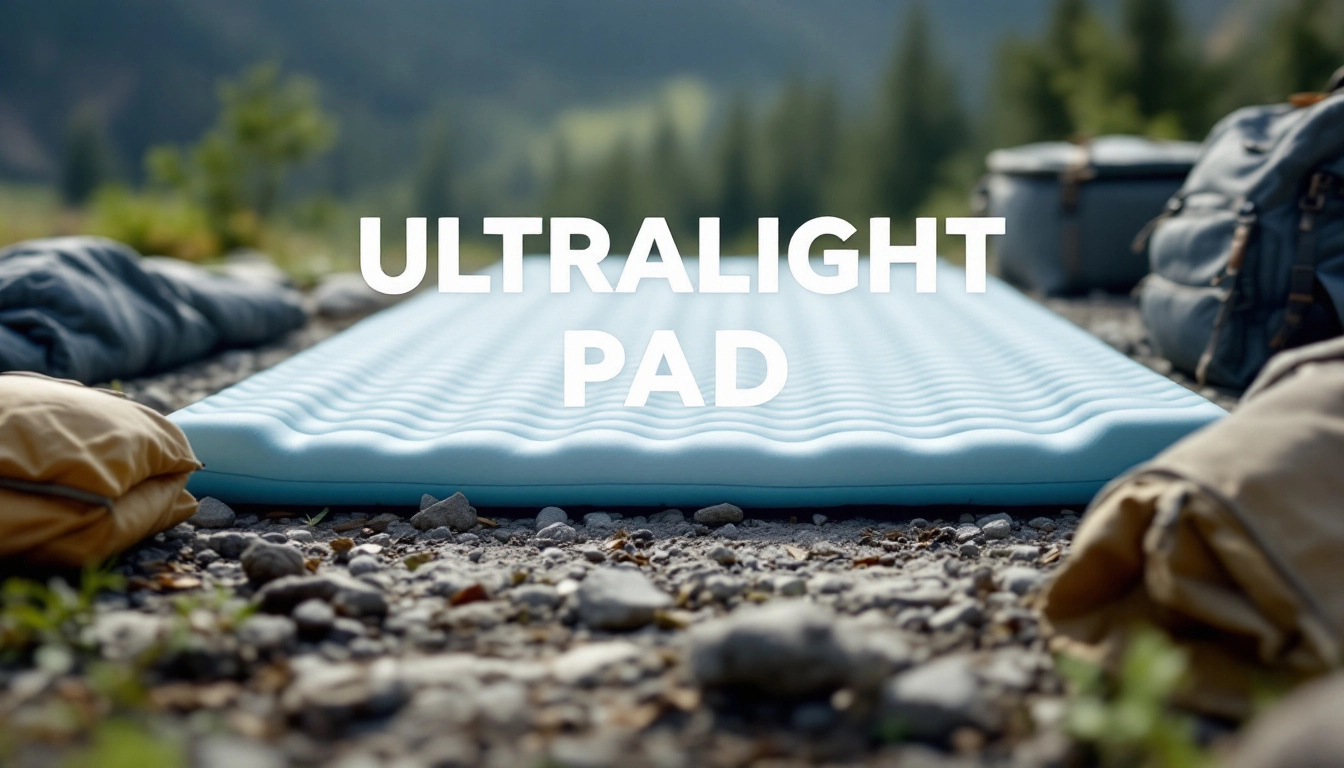
Thicker isn’t always warmer. Thickness affects pressure relief more than insulation rating. What matters for comfort is how the internal baffles distribute air.
- Air pads: light and packable; comfort varies by baffle pattern.
- Closed-cell foam: simple and reliable; less cushioning.
- Self-inflating: moderate comfort with slightly more weight.
If you can, lie on a pad for 10 minutes. Roll to your side. If your hip touches the floor, it’ll do the same at camp.
Step 3 – Weight, Fabric & Durability
Fabric denier gives a general idea of toughness. Higher numbers usually indicate thicker fabric, but always balance this against weight. Desert thorns, sharp granite, and rough shelters demand more caution.
If your trips frequently include uneven terrain, consider slightly heavier materials or carry a groundsheet. As with broader camping safety advice from the National Park Service camping safety page, preparation prevents small issues from becoming trip-ending problems.
7 Stunning Ultralight Camping Pads for 2026
1. Therm-a-Rest NeoAir UberLite
- Best for: Fast-and-light summer trips.
- Weight class: Very light inflatable.
- R-value: Confirm current manufacturer rating.
Why choose this: Minimal packed size and excellent weight savings.
Skip if: You expect sharp campsites or cold shoulder-season ground.
Think dry alpine trail in peak summer where every ounce matters.
2. Therm-a-Rest NeoAir XLite NXT
- Best for: Balanced 3-season performance.
- Weight class: Light insulated inflatable.
- R-value: Verify with manufacturer specs.
Why choose this: Strong warmth-to-weight ratio.
Skip if: You’re ultralight to the extreme and only hike in warm weather.
3. NEMO Tensor (Ultralight Insulated versions)
- Best for: Side sleepers wanting quieter fabric.
- Weight class: Light inflatable.
- R-value: Check latest model rating.
Why choose this: Stable baffle design and reduced crinkle noise.
Skip if: You mostly camp in sharp desert terrain without added ground protection.
4. Sea to Summit Ether Light XT (Lightweight versions)
- Best for: Comfort-focused hikers who still want low weight.
- Weight class: Light, thicker profile.
- R-value: Confirm insulation level.
Why choose this: Excellent cushion for hip and shoulder pressure.
Skip if: You’re counting every gram above all else.
5. Big Agnes Zoom UL Insulated
- Best for: Long-distance backpacking.
- Weight class: Light insulated pad.
- R-value: Check official specs.
Why choose this: Solid middle ground of warmth and packability.
Skip if: You prefer foam simplicity with zero puncture risk.
6. Klymit Static V2 (Ultralight models)
- Best for: Budget-conscious ultralight hikers.
- Weight class: Light inflatable.
- R-value: Confirm specific version.
Why choose this: Affordable entry into lightweight backpacking sleep systems.
Skip if: You need higher insulation for colder ground.
7. Therm-a-Rest Z Lite Sol (Foam)
- Best for: Reliability and thru-hike simplicity.
- Weight class: Foam minimal.
- R-value: Verify current rating.
Why choose this: No inflation, no punctures, usable as a sit pad during breaks.
Skip if: You need deep cushioning as a strict side sleeper.
Real-World Comfort & Sleep Considerations
Side Sleeper vs Back Sleeper Needs
Side sleepers need enough height to prevent hip contact. At home, lie on your side on a hard floor for perspective—then imagine that pressure after 15 trail miles. Back sleepers can get away with thinner designs.
Noise, Slip & Tent Floor Compatibility
Some insulated ultralight inflatable sleeping pads used to be notoriously crinkly. Newer models are quieter, but if noise bothers you, test beforehand.
Slippery tent floors can cause drifting at night. If you wake up pressed against the tent wall, consider a pad with grip zones or a slightly textured base.
Pairing with Quilt or Sleeping Bag
In quilt systems, your pad does much of the insulation work underneath you. One common mistake: carrying a very warm bag but using a low R-value pad. The ground still wins.
Weight vs Warmth vs Durability Trade-Offs
When to Prioritize Warmth Over Grams
If you’re above treeline, traveling in shoulder season, or expecting sudden temperature swings, lean warmer. Cold ground exposure can degrade sleep quickly and affect judgement the next day.
Minimalist Foam vs Inflatable Pads
Foam backpacking pads are nearly fail-proof. They double as back padding during the day. Inflatable pads bring superior comfort and smaller packed size—but require care and patch kits.
Budget Considerations
Entry-level ultralight camping pads can save money upfront. Premium models often reduce weight and improve warmth efficiency. If you hike frequently, longevity and comfort may justify the investment.
Care, Repair & Longevity Tips
Inflation Best Practices
Use an inflation sack when possible to reduce internal moisture buildup. Don’t overinflate—let a small amount of air out after lying down so the pad can contour naturally.
Field Repairs
Always carry the manufacturer patch kit. Before each trip, inflate your pad at home and let it sit overnight to catch slow leaks early.
Storage at Home
Store air and self-inflating pads loosely in a dry space. Avoid long-term compression unless the manufacturer explicitly allows it.
Checklist
- Match R-value to coldest expected ground condition.
- Confirm packed size fits your backpack volume.
- Lie on pad (if possible) for pressure-point test.
- Check fabric durability for your terrain.
- Bring repair kit on every trip.
Common Mistakes
- Choosing the lightest pad without checking insulation rating.
- Ignoring campsite surface (roots, gravel).
- Overinflating and reducing comfort.
- Assuming all ultralight camping pads are noisy.
- Forgetting pad width for active sleepers.
Frequently Asked Questions
Are ultralight camping pads warm enough for 3-season backpacking?
Many are, provided the R-value is appropriate for typical lows. Look for moderate insulation and confirm ratings from the manufacturer for reliable 3-season performance.
What R-value do I actually need in a Lightweight sleeping pad guide for mountain trips?
Mountain environments often mean colder soil and rapid temperature drops. Choose a pad rated for shoulder-season use and confirm forecasts before departure.
Are foam ultralight camping pads better than inflatable ones?
Foam pads win on reliability and simplicity. Inflatable pads usually provide superior comfort and pack smaller. Your terrain and sleep style decide the winner.
How long do ultralight camping pads typically last with regular use?
With careful campsite selection, proper storage, and patches when needed, quality pads can last multiple seasons of regular trips.
Can I use ultralight camping pads for winter camping?
Some insulated models can work when paired or stacked, but winter conditions often require higher R-values than typical ultralight setups provide.
What’s the ideal weight range for a true ultralight setup?
There’s no single number. Focus on overall pack balance rather than chasing the lowest possible pad weight at the expense of warmth.
How do I prevent air leaks on long-distance hikes?
Clear your campsite carefully, use a groundsheet if needed, avoid overinflation, and check valves regularly.
Conclusion
The best ultralight camping pads strike a calm balance between weight, insulation, and realistic durability. Don’t buy based on marketing alone. Think about where you camp, how you sleep, and what temperatures you genuinely expect. Before your next trip, compare your current setup against this Lightweight sleeping pad guide or explore our complete expert roundup of lightweight sleeping pads. A few smart adjustments now can mean deeper sleep and stronger miles tomorrow.