You know the feeling at the trailhead: you hoist your pack, take two steps, and wonder why it feels heavier than it should. For many backpackers, the culprit is buried in the middle—pots, pans, and a stove setup that add more bulk than expected. That’s where titanium cookware camping enters the conversation. It promises serious weight savings, but those grams only matter if the system actually works in the field. In this guide, I’ll walk through practical, trail-tested advice and Lightweight cookware tips you can apply immediately—whether you’re buying your first titanium pot or trimming down an established cook kit.
Table of Contents
- Why Choose Titanium Cookware Camping for Lightweight Trips?
- 7 Lightweight Cookware Tips That Actually Cut Pack Weight
- How to Cook Efficiently with Titanium (Without Burning Everything)
- Matching Titanium Cookware to Your Trip Style
- Comparing Titanium vs Other Camping Cookware Materials
- Care, Maintenance, and Longevity in the Field
Why Choose Titanium Cookware Camping for Lightweight Trips?
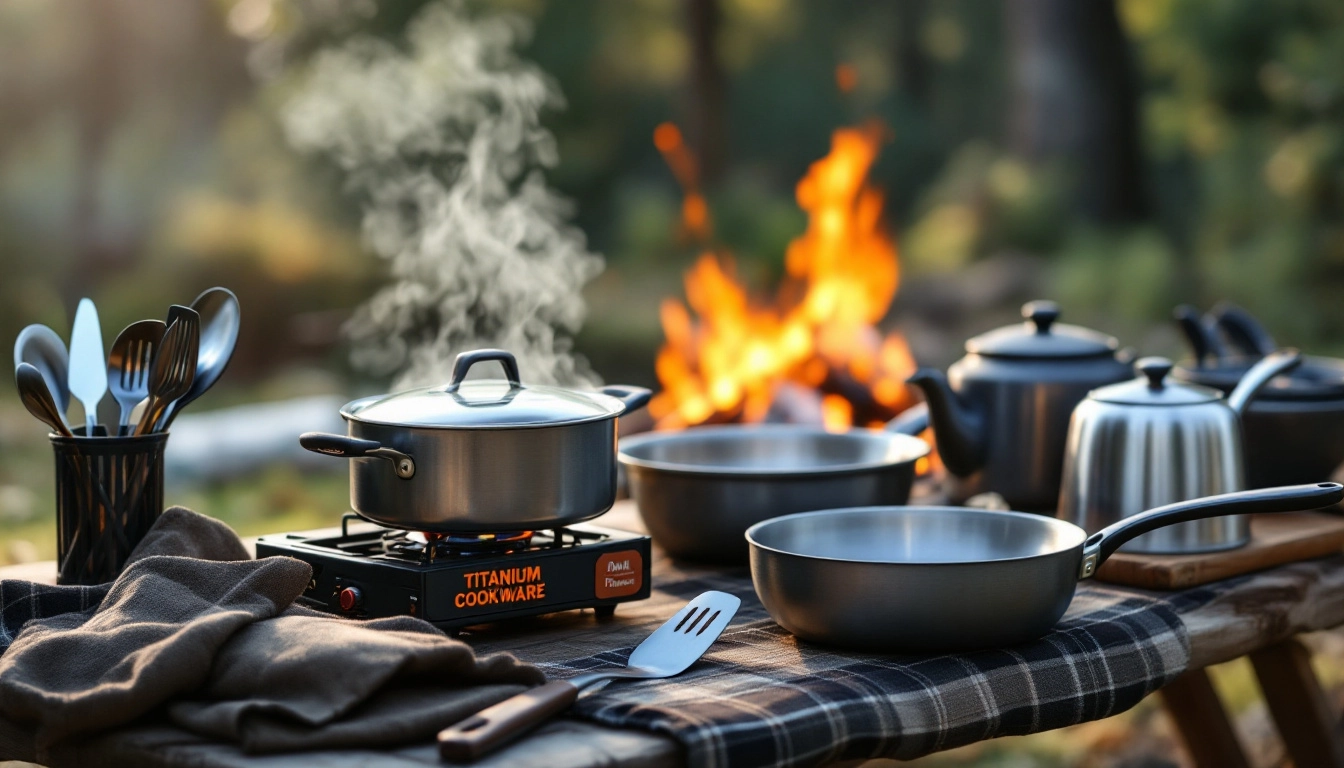
Titanium has earned a strong following among ultralight hikers for one simple reason: it offers impressive strength at a very low weight. Pick up a titanium pot in one hand and a similar stainless steel pot in the other. The difference is obvious before you even read the spec sheet.
Weight-to-Strength Reality Check
Titanium’s strength-to-weight ratio means thin walls can still handle trail abuse. It resists dents better than many expect. That said, thin material also heats quickly and unevenly. If you crank your stove to full blast, you’ll likely burn the center of your meal before the edges warm up. With titanium, control matters.
Corrosion Resistance & Long-Term Durability
If you camp near the coast or in persistently wet climates, corrosion resistance becomes more than a marketing point. Titanium won’t rust, even after repeated exposure to moisture. However, it can warp if overheated dry. Never leave an empty pot on a roaring flame—add water first, then ignite.
Minimalist Packing Advantages
Many titanium camping pots are designed to nest tightly with a stove and small fuel canister inside. For boil-only meals—dehydrated dinners, coffee, oatmeal—titanium cookware camping systems are hard to beat. Quick rule: if 90% of your trip cooking is just boiling water, titanium makes sense. For a breakdown of compact cookware for backpacking with smart space-saving tips, review how full systems can nest efficiently.
7 Lightweight Cookware Tips That Actually Cut Pack Weight
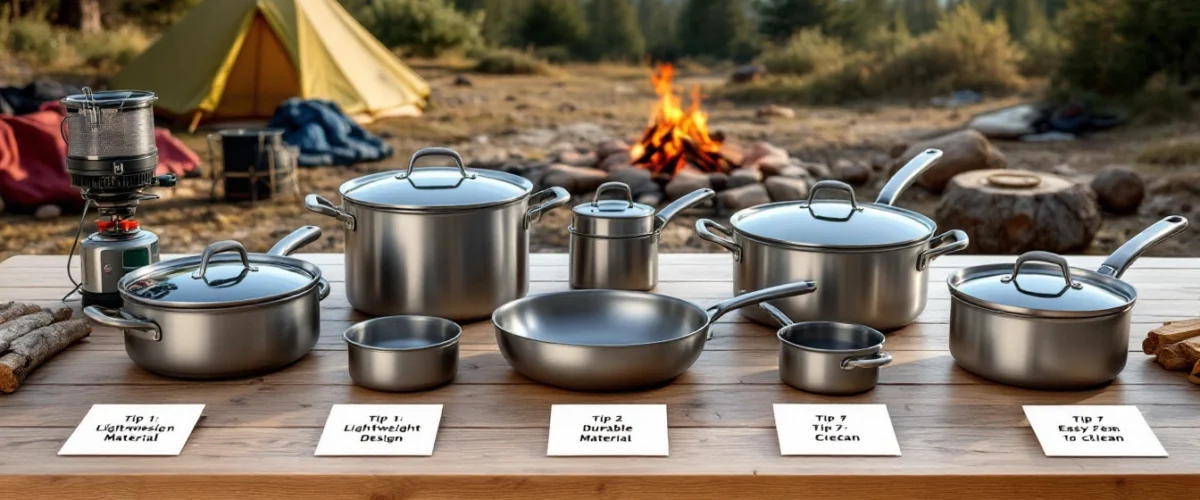
Saving weight isn’t about buying the most expensive setup. It’s about making deliberate choices. These Lightweight cookware tips focus on total system efficiency—not just shaving grams off one item. Applying principles from compact backpacking cookware systems can help you trim unnecessary bulk.
1. Choose the Smallest Pot That Fits Your Actual Meals
Avoid sizing for “what if.” At home, prepare your typical trail meal and measure how much water you really use. Most solo hikers are surprised by how small a pot they actually need.
2. Skip Extra Coatings Unless You Truly Sauté
Non-stick coatings add weight and can wear over time. If you mainly boil water, bare titanium works well. But if you regularly cook eggs or fish, understand that plain titanium demands lower heat and patience—or consider another material.
3. Prioritize Folding or Removable Handles
Fixed handles can snag inside a pack. Folding designs pack tighter. In cold conditions, test the locking mechanism with gloves before your trip. If it’s awkward at home, it’ll be worse at 6 a.m. in camp.
4. Use a Lid That Doubles as a Plate
Flip the lid upside down—does it sit stable? If so, you’ve likely eliminated the need for a separate bowl. Dual-purpose gear reduces clutter fast.
5. Eliminate Duplicate Utensils
A single long-handled spoon often replaces both spoon and fork on freeze-dried meal trips. Decision rule: if you won’t cook complex meals, simplify your utensil kit.
6. Go Handleless with a Pot Gripper (If Weight-Critical)
Some ultralight setups skip handles entirely and rely on a small gripper. Practice at home first. A full pot of boiling water isn’t the place to test a new technique.
7. Weigh Your Full Cooking Kit, Not Individual Items
Use a kitchen scale and weigh everything together—pot, lid, stove, fuel canister, lighter, utensils. Campers often forget that fuel weight changes trip to trip. Knowing your full system weight gives you honest numbers and aligns with strategies used in efficient compact cookware planning for backpacking.
How to Cook Efficiently with Titanium (Without Burning Everything)
The biggest complaint with titanium isn’t durability—it’s scorched food. That usually comes down to heat control.
Managing Titanium’s Fast Heat Transfer
Start with a low flame. You can always increase heat gradually. If food sticks immediately, your flame is too high. Stir more often than you think you need to, and avoid dry cooking in thin pots.
Water-Boil Optimization for Backpacking
Measure the exact water you need. Excess water wastes fuel. Shield your stove from wind using natural barriers, but check local fire and stove rules first. The National Park Service campfire regulations page outlines where and when stove use may be restricted.
Safe Setup in Campgrounds and Backcountry
Always cook on a flat, stable surface. Press gently on your stove setup before lighting—it should feel solid. Confirm current rules through official sites like Parks Canada camping regulations or your destination’s land manager. Conditions change quickly during dry seasons.
Matching Titanium Cookware to Your Trip Style
Not every trip calls for the same setup.
Solo Ultralight Hiking
For most solo hikers, a 500–900 ml titanium pot covers boil-only meals and hot drinks. Before buying, look up manufacturer volume specs and compare them to your typical meal needs.
Weekend Car Camping vs Backcountry
If your car is steps away, cooking comfort might matter more than shaving ounces. Aluminum or cast iron can make sense here. Titanium shines when you carry everything on your back for miles.
Cold-Weather or High-Altitude Trips
Cold fuel burns less efficiently. Plan for extra fuel and slightly longer boil times. Keep canisters insulated from snow. Review regional fire guidance, especially in forested areas, through resources such as the U.S. Forest Service fire management page before traveling.
Comparing Titanium vs Other Camping Cookware Materials
Material choice affects how you cook, not just how much you carry.
Titanium vs Aluminum
Aluminum usually heats more evenly, which helps with real cooking—simmering rice, sautéing vegetables. It’s often less expensive as well. Titanium is lighter and more dent-resistant for its weight, but less forgiving with flame control.
Titanium vs Stainless Steel
Stainless steel is tough and handles higher heat without warping easily. The trade-off is weight. For short trips where durability matters more than weight, stainless steel is a reasonable choice.
When Titanium Is NOT the Best Choice
If you regularly prepare complex backcountry meals or cook for groups, titanium’s hot spots can become frustrating. Budget is another factor. A simple aluminum pot may serve you perfectly well without straining your gear fund.
Care, Maintenance, and Longevity in the Field
A titanium pot can last for years with basic care.
Cleaning Without Damaging the Surface
Skip steel wool. Use a soft sponge or even a small cloth packed for cleaning. Follow Leave No Trace principles for disposing of dishwater, as outlined by the Leave No Trace 7 Principles. Strain food particles and scatter water well away from camp and natural water sources.
Storage to Prevent Warping or Bending
Do not overtighten nested items inside the pot. Forcing a fuel canister that barely fits can stress thin walls. Let things nest naturally.
Inspect Before Each Trip
Check handles, rivets, and lid fit. Wiggle connections gently. If anything feels loose, address it before you leave. A five-minute check at home prevents frustration at camp.
Checklist
- Weigh the entire cook system (pot, lid, stove, fuel, utensils).
- Confirm pot volume matches your real meals.
- Test boil time at home.
- Check stove regulations for your destination.
- Pack a small microfiber cloth for cleaning.
- Practice safe flame control before your first trip.
Common Mistakes
- Buying the largest pot “just in case.”
- Cooking high-heat meals without adjusting the flame.
- Forgetting wind protection.
- Ignoring total system weight.
- Not checking campsite stove regulations in advance.
Frequently Asked Questions
Is titanium cookware camping really worth the cost for beginners?
If you’re committed to backpacking and want to lower pack weight long term, it often is. Beginners who mostly car camp may not benefit as much. Start by clarifying how often you’ll carry your gear over distance.
What are the best Lightweight cookware tips for saving space in a small backpack?
Nest your stove and fuel inside your pot, choose a lid that doubles as a plate, and eliminate duplicate utensils. Think in systems, not single items. A compact cook system camping setup saves both space and weight.
Does titanium cookware camping burn food more easily than aluminum?
It can, because titanium tends to create hot spots. Lower flame settings and frequent stirring help. For simmer-heavy cooking, aluminum usually distributes heat more evenly.
How long does titanium camping cookware typically last?
With normal use and proper heat control, many titanium pots last for years. Avoid dry overheating and excessive force when packing, and inspect components before each trip.
Can titanium pots be used over an open fire?
Some can, but always check manufacturer guidance and local regulations first. Many parks restrict open fires during dry conditions. Review current fire rules from park or forest authorities before cooking over flame.
What size titanium pot is best for solo backpacking trips?
For boil-only meals and hot drinks, many solo hikers find 500–900 ml sufficient. If you cook actual ingredients rather than just boiling water, lean toward the higher end of that range.
Are there safety concerns when using titanium cookware camping stoves in national parks?
Yes. Regulations vary by location and season. Some areas restrict stove types during high fire risk. Always confirm current guidance through official park or land management websites before your trip.
Conclusion
Titanium cookware camping works best when it matches your cooking habits, trip length, and tolerance for minimalist gear. The lightest pot in the store won’t help if it frustrates you at every meal. Apply at least two of these Lightweight cookware tips before your next outing—right-size your pot, weigh your full system, or simplify your utensils. This week, pull out your cook kit and identify one item you can remove or downsize. Small changes add up quickly on the trail.