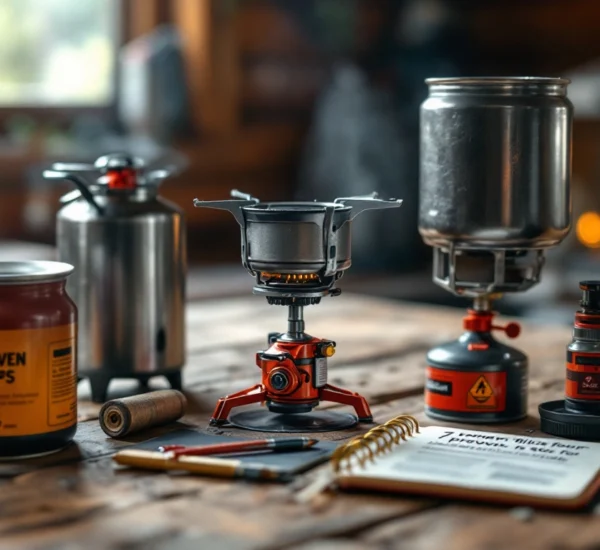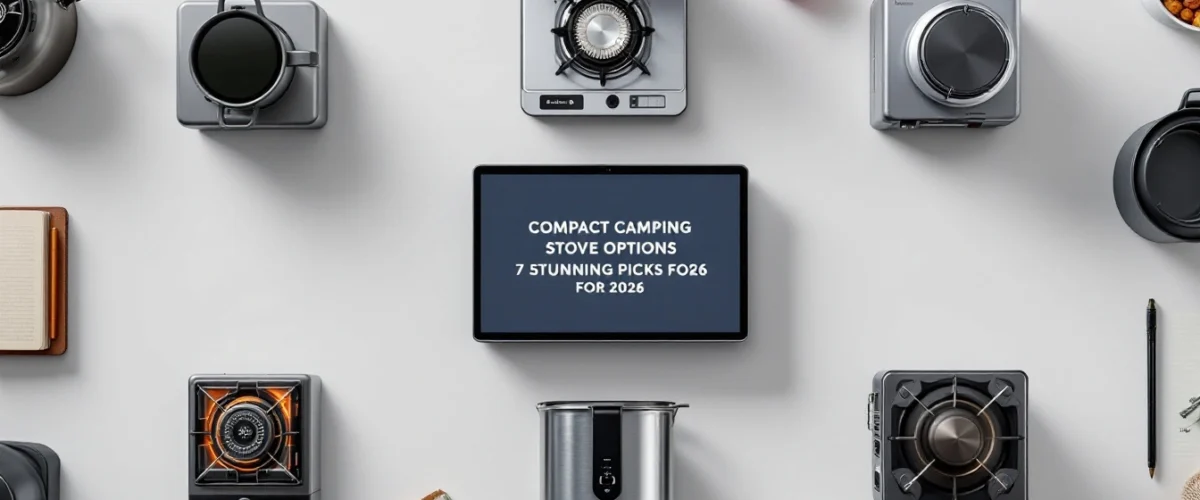
You’re tired, it’s getting dark, and the wind has other plans for your dinner. That’s usually when people start rethinking their stove choice. With so many compact camping stove options on the market—each claiming to be lighter, faster, or “more efficient”—it’s easy to grab the wrong one for your style of camping. This guide cuts through the noise.
Think of this as both a curated comparison and a practical Lightweight stove guide. You’ll find seven standout picks for 2026, clear buying advice, and no-nonsense tips on fuel types, real-world performance, and safety. Whether you’re an ultralight solo hiker, a couple sharing simple meals, or a cold-weather camper who needs reliability, there’s a smart match waiting.
Table of Contents
- How to Choose Compact Camping Stove Options in 2026
- Lightweight Stove Guide – Key Buying Factors
- 7 Compact Camping Stove Options for 2026
- Fuel Types Explained: Pros, Cons & Trade-Offs
- Real-World Performance: Wind, Cold & Altitude
- Safety, Setup & Campsite Regulations
How to Choose Compact Camping Stove Options in 2026
Before comparing brands, get clear on how you actually cook outdoors. Most regrets come from choosing a stove that doesn’t match your habits—especially if you haven’t reviewed a detailed breakdown like this ultralight backpacking stoves 7 proven tips for 2026 guide to understand real-world trade-offs.
Size vs. Cooking Style
If your meals are mostly freeze-dried pouches and morning coffee, you need steady boil performance—not a wide gourmet burner. But if you cook pasta, sauté vegetables, or cook fish in a pan, flame control and pot stability matter more than raw boil speed.
- Check pot support width. Will it securely hold your existing cookware?
- Set it on an uneven surface at home. If it wobbles on your patio table, expect worse on rocky ground.
- Look at burner diameter. A tiny flame under a large frying pan creates hot spots.
Weight vs. Durability
An ultralight camping stove can save ounces, but thinner metal and compact valves may not handle years of use. If you backpack long distances regularly, weight savings add up—especially when paired with insights from an in-depth ultralight backpacking stove planning guide. If you camp once or twice a year, extreme ultralight design may sacrifice durability you’d rather have.
Quick rule: If shaving 100 grams won’t change your trip enjoyment, lean toward sturdier construction.
Packability & Setup Time
Some integrated systems nest everything neatly inside the pot. Others rely on separate burners and fuel canisters.
Try this test: assemble your stove at home with cold hands or in low light. Time yourself. If it feels fiddly in your kitchen, it won’t feel better in a chilly campsite.
Lightweight Stove Guide – Key Buying Factors
In this Lightweight stove guide, the goal isn’t chasing specs—it’s understanding how they affect your food, fuel, and safety in the field.
Burner Output & Boil Time
Manufacturers list burner output and boil time under controlled conditions. Real performance changes with wind, altitude, and pot choice. Faster boil often means higher fuel consumption.
Before buying, review official manufacturer specs and match them to your typical water volume. Comparing performance benchmarks alongside a curated ultralight stove comparison for 2026 can help you spot which numbers actually matter for your trips.
Fuel Efficiency & Availability
Different camping stove fuel types come with trade-offs:
- Canister fuel: Convenient and widely available in outdoor stores.
- Liquid fuel: Refillable and often better in colder conditions.
- Alcohol or solid fuel: Minimalist and lightweight, but slower.
Experience cue: Check what stores near your destination actually stock. Flying to a trailhead? Confirm fuel availability at your arrival city.
Budget vs. Long-Term Cost
A budget stove may cost less upfront, but frequent campers should think seasonally. Estimate the number of trips you plan this year. Compare stove price plus projected fuel use over time.
If you head out monthly, reviewing ultralight backpacking stove recommendations for extended trips can clarify whether a higher upfront cost pays off in efficiency and durability.
7 Compact Camping Stove Options for 2026
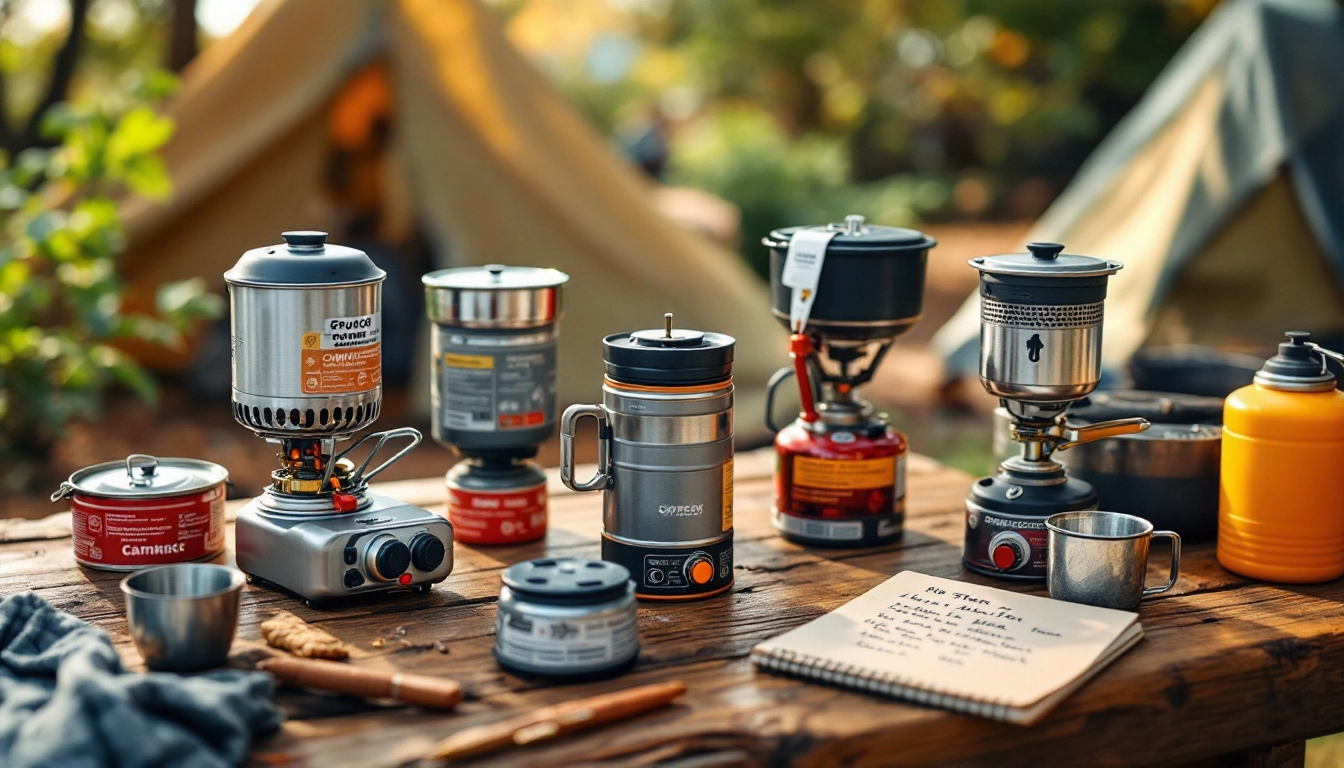
Here are seven strong compact camping stove options based on use-case rather than hype.
Pick #1 – Best for Ultralight Backpackers
Fuel type: Canister
Weight class: Ultralight micro-burner
Ideal for long-distance hikers who only need to boil water. Packs down to nearly nothing and pairs well with small titanium pots.
Strengths: Extremely light, fast setup.
Limitations: Narrow pot supports and wind sensitivity.
If you mostly heat dehydrated meals, this is enough. If you cook real food, consider a wider burner head.
Pick #2 – Best Integrated System
Fuel type: Canister (integrated pot system)
Weight class: Lightweight integrated
Everything nests together. Excellent for efficient boiling and quick coffee breaks.
What to check: Can you simmer effectively, or is it mostly on/off?
Pick #3 – Best Budget Option
Fuel type: Standard canister
Weight class: Light to midweight
Affordable and reliable for weekend trips.
Caveat: Inspect build quality—especially pot supports and control valve smoothness.
Pick #4 – Best for Couples
Fuel type: Canister or liquid fuel
Weight class: Lightweight but stable
Look for broader supports and better simmer control.
If you cook pasta or rice often, prioritize flame adjustment over pure boil speed.
Pick #5 – Best for Cold Weather
Fuel type: Liquid fuel or cold-optimized canister system
Weight class: Midweight expedition-ready
More complex, but reliable when temperatures drop.
Test at home in cooler conditions before depending on it for a winter trip.
Pick #6 – Best for Simmer Control
Fuel type: Canister with precision valve
Weight class: Lightweight
Designed for real cooking, not just boiling water.
If pancakes or sautéed vegetables are on your camp menu, you’ll appreciate controlled flame spread.
Pick #7 – Most Compact for Travel
Fuel type: Alcohol or micro canister
Weight class: Minimalist
Fits easily in carry-on luggage (fuel purchased at destination).
Plan for slower cook times and manage wind carefully.
Fuel Types Explained: Pros, Cons & Trade-Offs
Canister Stoves
Common, convenient, and beginner-friendly. Great for three-season use. Performance can drop near freezing.
Liquid Fuel Stoves
Reliable in cold or high-altitude environments. Heavier and require maintenance like priming and cleaning.
Alcohol & Solid Fuel
Extremely simple and lightweight. Boil times are slower, and wind has a bigger impact.
Always verify fire restrictions before using open-flame systems. Review official guidance from the U.S. National Park Service on campfire and stove safety or your local managing agency.
Real-World Performance: Wind, Cold & Altitude
Wind Management
Use built-in windshields if designed for your stove. Never enclose a fuel canister tightly with foil or rocks—heat buildup is dangerous.
Position your stove behind a natural barrier like a log or boulder while keeping ventilation clear.
Cold Weather Tips
Canisters lose efficiency in low temperatures. Keep fuel canisters insulated in your pack before use. If temperatures approach freezing, test performance at home first.
Altitude Considerations
Water boils at lower temperatures as elevation increases, changing cook times. Plan for slightly longer meal prep and consider carrying a small fuel margin if heading high.
Safety, Setup & Campsite Regulations
Safe Placement & Ventilation
Never operate any stove inside a closed tent or vehicle. Carbon monoxide risk is real—review guidance from the Consumer Product Safety Commission on carbon monoxide safety.
- Place stove on a flat, stable surface.
- Keep clear of dry leaves and overhanging fabric.
- Monitor flame at all times.
Fire Restrictions & Local Rules
Regulations change with season and region. Always check current updates via official sources such as the USDA Forest Service campfire safety page before your trip.
Maintenance & Storage
Inspect O-rings, valves, and connections before every outing. Store fuel separately and keep threads clean. Small leaks often show up as unusual smells—don’t ignore them.
Checklist
- Match stove type to trip length and cooking style.
- Confirm fuel availability near destination.
- Test setup at home, including ignition.
- Bring a backup ignition method.
- Review local fire regulations before departure.
Common Mistakes
- Choosing the lightest option without checking pot compatibility.
- Ignoring wind impact on fuel use.
- Pairing a large cookset with a micro-burner.
- Using stoves inside enclosed spaces.
- Not checking fuel levels before a multi-day trip.
Frequently Asked Questions
What are the best compact camping stove options for backpacking trips?
The best compact camping stove options for backpacking are ultralight canister burners or integrated systems designed for quick boiling. Choose based on whether you only boil water or cook more involved meals.
How do I choose compact camping stove options for cold weather camping?
Prioritize liquid fuel or cold-optimized canister systems. Test performance near freezing temperatures and confirm fuel compatibility before departure.
What’s the difference between a basic stove review and a full Lightweight stove guide?
A single review assesses one product. A Lightweight stove guide compares fuel types, cooking styles, and long-term trade-offs to help you choose what fits your trips—not just what scores well on paper.
Are compact camping stove options safe to use during fire restrictions?
It depends on local regulations. Some areas allow enclosed gas stoves but prohibit open flames. Always confirm with official park or land management sources before your trip.
Is an integrated system better than a standalone burner?
Integrated systems are efficient and compact for boiling water. Standalone burners offer more flexibility for real cooking and pot choice.
How much fuel should I bring for a weekend trip?
Estimate meals and boil sessions, then add a safety margin. Wind, cold, and longer cook times can increase fuel use beyond ideal lab conditions.
What features matter most in a Lightweight stove guide for beginners?
Ease of setup, stable pot supports, reliable ignition, and fuel availability. Beginners benefit more from stability and simplicity than marginal weight savings.
Conclusion
The right stove isn’t the lightest or the most powerful—it’s the one that fits your trip. These compact camping stove options cover everything from ultralight hikers to cold-weather campers. Shortlist two or three models, compare fuel type, stability, and real-world use, then choose the one that matches your next planned outing—not a hypothetical adventure. A thoughtful pick now means hot meals, less frustration, and more time enjoying camp in 2026.