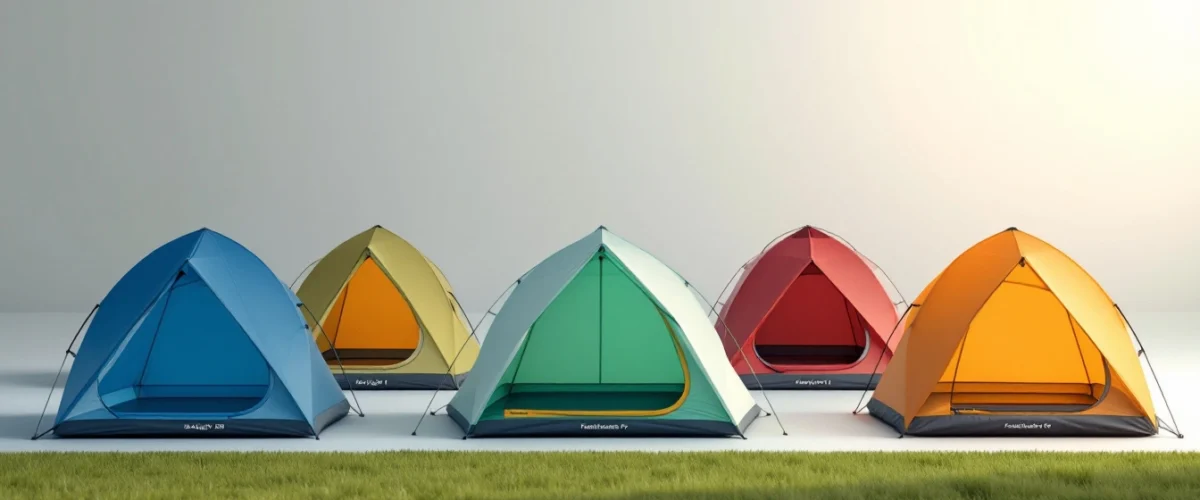
Shaving 700 grams off your pack feels incredible on the first climb out of the trailhead—until wind rattles your shelter all night or condensation soaks your quilt by morning. A one-person ultralight tent can transform a solo trip, but not all of them are built for real-world miles. In this practical Lightweight tent guide, you’ll find seven strong picks for 2026, plus a clear framework for choosing the right model for your style of hiking. We’ll look beyond spec sheets at livability, storm performance, setup stress, and the small details that matter when you’re miles from the car.
Table of Contents
- What Makes a True One-Person Ultralight Tent?
- Top 7 One-Person Ultralight Tent Picks for 2026
- How to Choose Using This Lightweight Tent Guide Framework
- Weight vs. Comfort: Real-World Trade-Offs
- Season, Climate & Terrain Considerations
- Budget, Durability & Long-Term Value
What Makes a True One-Person Ultralight Tent?
“Ultralight” gets tossed around loosely. In today’s market, most solo backpackers consider shelters under roughly the 2‑pound class as true ultralight, while models closer to 2.5–3 pounds fall into lightweight territory. Check current manufacturer specs before buying—brands often revise fabrics and pole sets year to year.
Weight Thresholds (And When “Ultralight” Isn’t Really Ultralight)
Pay attention to the difference between packed weight (everything included) and trail weight (often just fly, body, and poles). Stakes, stuff sacks, and extra guylines add up. Before you commit, place your tent’s packed size inside your backpack next to your food bag for a 3–5 day trip. If it forces you to strap gear externally when you don’t want to, it may not feel ultralight in practice.
Space, Livability & Vestibule Reality
Floor length on paper doesn’t always equal usable length. Sloped walls can press against your sleeping bag, especially if you’re over six feet tall. Sit upright inside and mimic changing layers. If your head rubs the canopy, condensation becomes your problem.
A functional vestibule matters more than you think. During all‑day rain, you’ll want room to stash wet shoes and cook cautiously near the entrance. If the vestibule barely covers your pack, expect muddy gear inside.
Single-Wall vs. Double-Wall Designs
Single-wall shelters save weight and pack smaller, but they demand better campsite selection and ventilation habits. Double-wall tents are generally more forgiving in humid forests or for newer backpackers following a complete ultralight camping checklist strategy.
Quick rule: if you regularly camp in damp climates, choose a double-wall design. Check vent placement, door size, and whether you can prop the fly open safely in light rain.
Top 7 One-Person Ultralight Tent Picks for 2026
Zpacks Plex Solo
- Best for: Thru-hikers chasing the lowest base weight.
- Weight: Manufacturer lists just over 1 lb (verify current spec).
- Strengths: Extremely light, DCF fabric resists sagging when wet.
- Trade-offs: Premium price, trekking pole required, narrower feel.
You’ll love it if every ounce matters and you’re disciplined about campsite selection as part of your ultralight backpacking checklist planning. You may regret it if you dislike managing condensation in tight quarters.
Big Agnes Fly Creek HV UL1
- Best for: Traditional backpackers wanting freestanding simplicity.
- Weight: Around the 2‑lb class (confirm latest version).
- Strengths: Quick pitch, reliable in moderate wind.
- Trade-offs: Front entry can feel cramped.
Great for established campsites and wooden pads. Less ideal if you want wide side-entry comfort.
NEMO Hornet OSMO 1P
- Best for: Balanced weight and livability.
- Weight: Typically just under 2 lbs (verify).
- Strengths: Thoughtful storage pockets, good ventilation.
- Trade-offs: Thin fabrics require care.
A strong middle-ground ultralight solo tent for varied 3-season trips.
MSR Hubba Hubba Bikepack 1
- Best for: Compact packed length for small frames and panniers.
- Weight: Lightweight, above many trekking pole models.
- Strengths: Freestanding convenience.
- Trade-offs: Heavier than minimalist shelters.
If you value short pole segments and durability, the small weight penalty may be worth it.
Durston X-Mid 1
- Best for: Value-focused hikers using trekking poles.
- Weight: In the ultralight range (manufacturer spec).
- Strengths: Spacious geometry, dual vestibules.
- Trade-offs: Requires careful staking.
You’ll appreciate the interior room on storm days. Practice pitching before heading into exposed terrain and include setup reps in your pre-trip ultralight gear checklist.
Tarptent ProTrail Li
- Best for: Minimalist hikers who prioritize low weight.
- Weight: Around 1 lb with DCF (verify).
- Strengths: Excellent storm shedding shape.
- Trade-offs: Tight interior, front entry.
Efficient and weather-resistant, but not the shelter for those who sprawl.
Sea to Summit Alto TR1
- Best for: Comfort-oriented solo hikers.
- Weight: Closer to lightweight than extreme ultralight.
- Strengths: Vertical walls, generous headroom.
- Trade-offs: Higher weight and price.
A smart choice if you spend extra time in camp and want breathing room.
How to Choose Using This Lightweight Tent Guide Framework
Step 1: Define Your Trip Type
Weekend forest loops demand less from your shelter than a month-long thru-hike. Think about terrain too. Rocky alpine benches favor freestanding or semi-freestanding tents. Desert sand may require sand anchors or creative staking.
Quick check: Do you always carry trekking poles? If not, a trekking pole tent may require extra accessories.
Step 2: Set a “Comfort Floor”
Mark your tent’s interior dimensions on your living room floor with tape. Lie down on your pad. Sit up in the center. This quick test reveals more than marketing photos.
Decide your minimum sitting height and vestibule depth before you compare price tags.
Step 3: Stress-Test the Specs
Review rainfly and floor waterproof ratings from manufacturers and cross-check setup advice through reputable gear educators such as REI’s backpacking tent guidance. Consider how many stakes are required for a full pitch.
Imagine arriving at dusk with wind building. Can you pitch it quickly without crawling around in the rain? If setup feels complex in your yard, it won’t get easier at 9,000 feet.
Weight vs. Comfort: Real-World Trade-Offs
Shaving Grams vs. Sleeping Well
Ultralight fabrics reduce pack weight but can flap loudly in gusts. DCF stays taut in rain; silnylon may sag and require re‑tensioning. Bring extra guylines if storms are likely.
Condensation Management in Solo Shelters
Camp slightly above low points where cold air settles. Keep vents open unless wind forces them shut. In persistent moisture, wipe walls with a small cloth in the morning and dry during breaks.
When a Slightly Heavier Tent Is the Better Choice
Long trips in wet climates often justify the weight of a sturdier double-wall tent. Beginners also benefit from forgiving pitch systems and thicker floors.
Season, Climate & Terrain Considerations
3-Season vs. 4-Season Ratings
Three-season tents handle rain and moderate wind. Four-season shelters add stronger pole structures and more robust fabrics for snow load. Confirm each manufacturer’s rating definitions before relying on them.
Wind & Storm Setup Essentials
Stake corners at firm angles and tension guylines evenly. Position the narrowest end of your tent into prevailing wind. For official camping safety principles, review the National Park Service camping safety guidelines.
If strong winds are forecast, choose a lower-profile geometry and protected campsites near natural windbreaks.
Ground Types & Site Selection
Rocky alpine sites reward freestanding designs. Sandy desert terrain may require specialized stakes. Wooden tent pads limit staking angles. Follow Leave No Trace principles when selecting and using campsites.
Budget, Durability & Long-Term Value
Price Ranges in 2026 (Verify Before Publishing)
Entry-level lightweight solo tents typically cost less than premium DCF shelters. Expect significant price jumps for advanced fabrics and sub‑1.5‑pound builds. Always check current retail listings.
Repairability & Warranty
Confirm replacement pole availability and patch kits for your chosen fabric. Before a long trip, carry basic repair tape and know your brand’s warranty process.
Cost-Per-Night Mindset
Divide the purchase price by the number of nights you expect to use it each year. Heavy users often justify higher-end models because the cost per night drops quickly.
Checklist
- Define max pack weight before shopping.
- Choose freestanding vs. trekking-pole design intentionally.
- Confirm packed length fits inside or on your pack.
- Check real interior length if you’re over 6 ft tall.
- Review weather exposure expectations for your trips.
- Read and practice setup before field use.
Common Mistakes
- Choosing the lightest shelter without considering condensation.
- Ignoring stake requirements for non-freestanding designs.
- Overestimating usable interior space.
- Not practicing setup before a storm-prone trip.
- Assuming all 3-season tents handle wind equally.
Frequently Asked Questions
What is the ideal weight for a one-person ultralight tent on multi-day hikes?
Many solo hikers aim for a one-person ultralight tent in or below the 2‑pound class. Your ideal weight depends on trip length, expected weather, and how much comfort you’re willing to trade for lighter miles.
Is a one-person ultralight tent warm enough for shoulder-season camping?
Warmth largely comes from your sleeping system, not the tent itself. A well-pitched 3-season ultralight solo tent can work in shoulder seasons if winds are moderate and snow loads are unlikely.
How do I choose between single-wall and double-wall in a Lightweight tent guide?
In this Lightweight tent guide framework, choose double-wall for humid climates and less condensation management. Opt for single-wall if you prioritize minimal weight and are comfortable managing ventilation carefully.
Can tall backpackers fit comfortably in most one-person ultralight tent models?
Some can, many cannot comfortably. Always compare peak height and wall angle, not just floor length. Sloped ends reduce real sleeping space.
Are trekking-pole shelters reliable in strong wind?
Yes—when properly tensioned with solid stakes and good site selection. Practice pitching low and tight. Replace worn guylines before exposed trips.
What’s the difference between trail weight and packed weight in ultralight tents?
Trail weight typically excludes stakes and stuff sacks. Packed weight reflects everything included in the purchase. Use packed weight when comparing models realistically.
Conclusion
The right one-person ultralight tent isn’t just the lightest option on the shelf. It’s the shelter that matches your real trips—your climate, campsite style, and tolerance for tight spaces. List your top two priorities: weight, durability, or interior comfort. Then narrow your choices using the Lightweight tent guide framework above and imagine pitching each model in wind or rain. When your shelter supports restful sleep instead of stress, every mile feels easier.