Halfway up a long switchback, when your legs are already burning, you feel every extra ounce in your pack. That’s usually the moment hikers start researching the best ultralight camping tents and wondering where all that weight came from. Shelter is often the heaviest item after your backpack itself, and trimming it wisely can change how a trip feels from day one.
This practical Lightweight tent guide is built for real trips—wet shoulder-season weekends, exposed ridge camps, and tight forest sites—not showroom specs. You’ll learn how to compare weight versus durability, interpret materials and season ratings, and choose a tent that fits your terrain, mileage, and comfort expectations for 2026 adventures.
Table of Contents
- What Makes a Tent Truly Ultralight?
- Best Ultralight Camping Tents 2026: Top Categories
- How to Choose the Right Tent for Your Trips
- Setup, Durability & Weather Performance
- Cost vs Weight: Where to Spend Smartly
- Safety, Campsite Rules & Environmental Factors
What Makes a Tent Truly Ultralight?
“Ultralight” gets used loosely. In practice, it usually refers to backpacking shelters that significantly reduce weight by trimming fabric, pole structure, and hardware. But light on paper doesn’t always mean practical on trail. Before comparing models, it helps to understand where the weight savings actually come from—and what you might give up.
Weight Benchmarks & What “Ultralight” Really Means
Most ultralight backpacking tents fall into a narrow weight range compared to traditional backpacking models. The difference often comes down to ounces per component—lighter poles, thinner fabrics, smaller stuff sacks.
Always check the difference between:
- Packed weight: everything included as sold.
- Trail weight: usually rainfly, body, and poles—often excluding stakes and extra guylines.
If you camp on rocky ground where you’ll use every stake and guyline, assume your real-world carry weight will be closer to packed weight. Before buying, list what’s included and what you’ll actually carry. It’s common for hikers to discover they’re adding several extra ounces back in.
Materials: Silnylon, Dyneema, Aluminum vs Carbon Poles
Fabric choice drives both weight and durability. Ultralight tents typically use coated nylon or polyester in lower denier fabrics to save weight. Higher-end models use advanced composite fabrics that reduce weight even more—but often at a premium price.
Practical rule:
- If you camp in rocky alpine terrain or brushy routes, prioritize abrasion resistance over absolute minimum weight.
- If most trips are on established trails with good sites, lighter fabrics may be perfectly reasonable.
Aluminum poles remain common for strength-to-weight balance. Some designs reduce pole length or quantity. Others eliminate poles entirely and rely on trekking poles. Check manufacturer material specs directly before purchase to confirm fabric type and coatings.
Design Styles: Freestanding vs Trekking-Pole Tents
Freestanding tents hold shape with their own pole structure. They’re easier to move before staking and often simpler for beginners.
Trekking-pole tents cut weight by using gear you already carry. They’re efficient—but require solid staking and practice.
Ask yourself: can you pitch it quickly in wind or light rain? If you frequently arrive at camp in fading light, a slightly heavier freestanding option can save frustration.
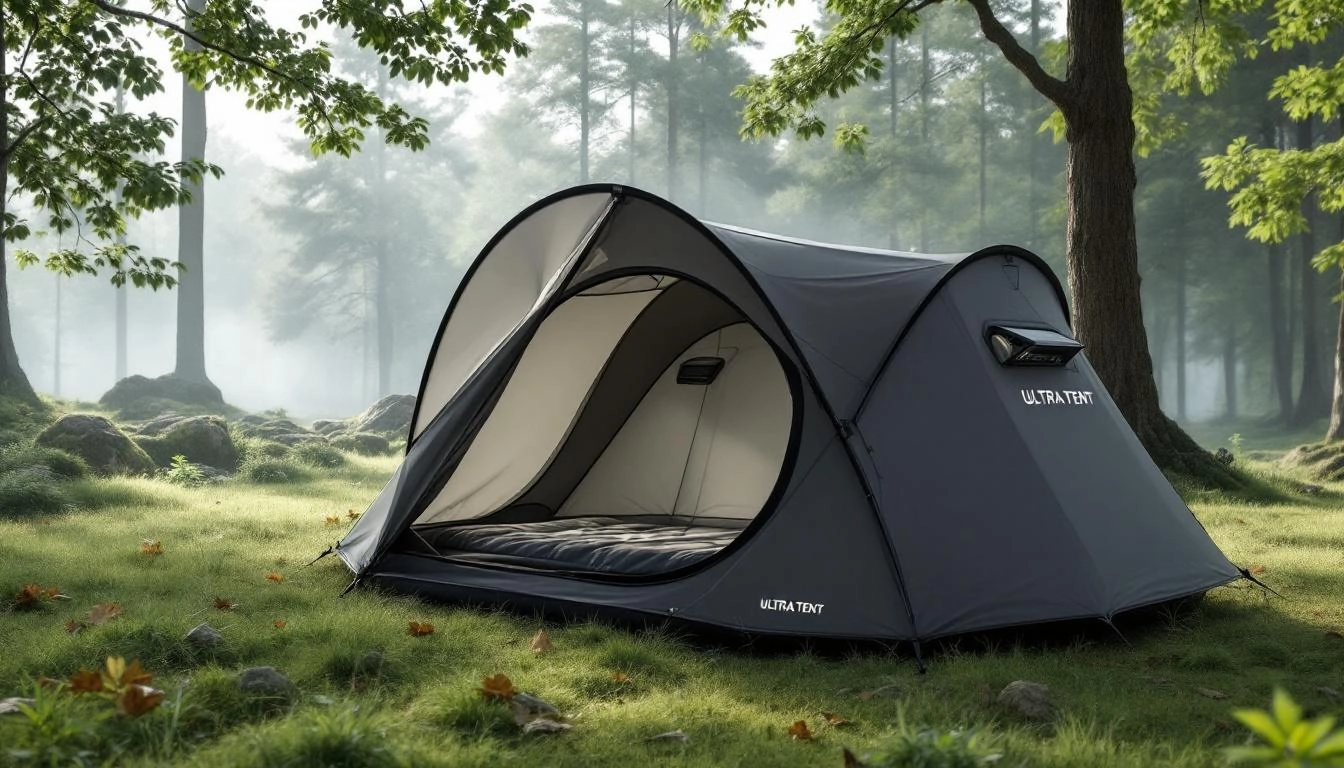
Best Ultralight Camping Tents 2026: Top Categories
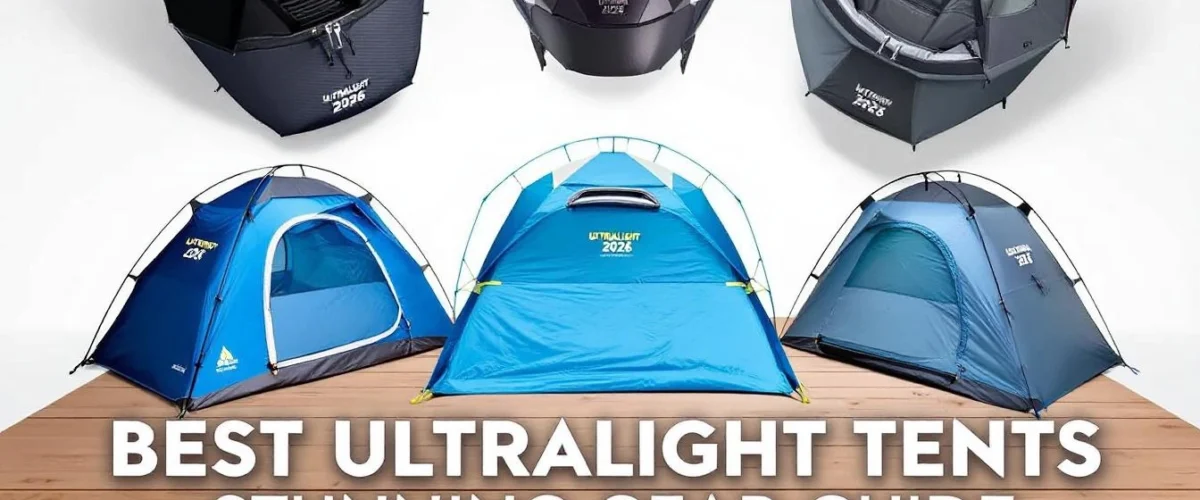
Instead of chasing a single “winner,” it’s smarter to match categories to your style of travel. The best ultralight backpacking tent for a thru-hiker won’t look the same as one for casual weekend trips.
Best for Solo Thru-Hikers
A 1 person ultralight tent keeps weight and footprint minimal. Look for:
- Compact packed size for smaller ultralight backpacks.
- A vestibule large enough to shelter wet shoes and a small pack.
- Simple pitch sequence—fewer steps equals fewer mistakes at the end of a long day.
If you frequently camp above treeline, prioritize solid guy-out points and stable geometry over shaving the last ounce.
Best for Two-Person Backpacking
A 2 person lightweight tent often means a snug fit for two adults. Consider whether you’re sharing:
- Sleeping space comfortably in poor weather.
- Interior storage for small items.
- Responsibility for carrying poles and fly separately.
If you value elbow room, a slightly heavier model with steeper walls can dramatically improve livability without a major weight penalty split between two hikers.
Best Budget-Friendly Ultralight Options
Entry-level ultralight tents often use heavier fabrics or simpler venting systems. That’s not necessarily bad.
For beginners, a few extra ounces can mean:
- Better durability.
- More forgiving setup.
- Lower upfront cost.
If you’re building experience, prioritize durability and reliability before chasing the absolute lightest shelter in the category.
How to Choose the Right Tent for Your Trips (Lightweight tent guide essentials)
This section is the heart of any solid Lightweight tent guide: matching shelter to the trips you actually take.
Match Tent Weight to Trip Length & Terrain
Weekend forest trips with moderate mileage leave room for a slightly heavier tent. Multi-day routes with steep elevation gain reward weight savings.
Decision cue:
- If your daily mileage pushes your comfort zone, consider lighter shelter.
- If campsites are often rocky or uneven, prioritize stronger floors and flexible pitch options.
Weather Ratings & Season Labels
Most ultralight shelters fall into the 3-season category. Definitions vary by manufacturer, so review product descriptions carefully.
Check for:
- Fully taped or sealed seams.
- A raised bathtub-style floor.
- Adjustable ventilation options.
If you anticipate cold rain and wind, structure and guyline layout matter more than marketing claims.
Pack Size & Backpack Compatibility
Before clicking “buy,” measure the interior capacity of your backpack. Confirm whether the tent stores vertically or horizontally.
A compact camping tent 2026 model won’t help if it forces awkward packing or pushes other essential gear outside your comfort zone. Many hikers solve this by splitting components between partners.
Setup, Durability & Weather Performance
Rain & Wind Testing in Real Conditions
Practice pitching your tent at home before the first trip. Time yourself. Do it once with gloves on.
In windy areas, use all recommended guylines—not just corner stakes. A lightweight shelter depends on full tension to maintain strength.
Condensation Management
Single-wall ultralight tents save weight but are more sensitive to airflow and campsite selection. Double-wall tents offer separation between condensation and sleeping space.
Campsite choice often matters more than brand:
- Avoid low valleys where moisture settles.
- Do not pitch directly under trees that drip overnight.
- Create cross-breeze when conditions allow.
Longevity & Field Repairs
Carry a small repair kit including fabric tape and a pole splint. Even the best ultralight models use lighter materials that benefit from prompt fixes.
Review warranty details directly through manufacturers and follow recommended care instructions to extend lifespan.
Cost vs Weight: Where to Spend Smartly
When Paying More Makes Sense
Higher-end fabrics and design efficiencies can reduce carry weight noticeably. If you log many miles each season, shaving total pack weight may justify higher cost.
Think in terms of comfort gained per ounce saved—not marketing hype.
Hidden Costs (Footprints, Stakes, Upgrades)
Some tents require separate footprint purchases. Others include lightweight stakes you might replace for better holding power.
If you frequently camp on abrasive surfaces, budgeting for a groundsheet early can prevent damage and regret.
Is the Lightest Always the Best?
Not necessarily. Beginners often benefit from slightly more robust gear while refining campsite selection and pitching skills.
The right choice balances backpacking shelter weight comparison with realistic durability needs.
Safety, Campsite Rules & Environmental Factors
Following Leave No Trace Principles
Shelter placement should minimize impact. Camp on durable surfaces and avoid expanding established sites. Review the Leave No Trace Seven Principles before heading out.
Park & Backcountry Shelter Regulations
Some parks require designated campsites or restrict where you can pitch tents. Always verify regulations on official sources like the National Park Service camping guidelines or consult local forest guidance through the U.S. Forest Service Know Before You Go page.
Weather Awareness & Emergency Planning
Check official forecasts and alerts through reliable services such as NOAA Weather Safety before departure. Do not rely solely on tent marketing claims for severe weather performance.
Checklist
- Confirm packed vs trail weight.
- Verify fabric type and denier rating from manufacturer.
- Check seam sealing and included stakes.
- Measure pack interior before purchase.
- Review park-specific camping rules.
- Practice setup before first trip.
Common Mistakes
- Buying the lightest option without considering durability.
- Ignoring condensation management.
- Assuming “2-person” equals comfort for two adults.
- Skipping guideline staking in windy areas.
- Not verifying campsite regulations from official sources.
Frequently Asked Questions
What are the best ultralight camping tents for beginners in 2026?
Beginners should focus on user-friendly setup, durable materials, and reliable weather protection rather than extreme weight savings. The best ultralight camping tents for new hikers often sit slightly above the absolute lowest weights but provide easier pitching and stronger fabrics for learning conditions.
How do I choose between trekking-pole and freestanding designs in a Lightweight tent guide?
In any solid Lightweight tent guide, the decision comes down to experience and terrain. Choose trekking-pole tents if you’re confident in staking and always carry poles. Choose freestanding if you value flexibility on rocky ground or want quicker, more intuitive setup.
Are ultralight tents durable enough for rocky terrain?
They can be, if you select appropriate fabrics and use a footprint when necessary. On sharp or abrasive surfaces, careful site selection and ground protection significantly extend tent life.
Is a 2-person ultralight tent comfortable for two hikers?
It depends on expectations. Many 2-person lightweight tents are efficient, not spacious. If you value extra room in poor weather, consider sizing up or choosing a design with steeper interior walls.
Do I need a footprint with the best ultralight camping tents?
Not always—but it’s wise on rough or abrasive ground. A lightweight groundsheet can protect thin floor fabrics and reduce wear over time.
How do I reduce condensation in ultralight shelters?
Improve ventilation, use all vents, and choose campsites with airflow. Avoid damp low spots and allow space between the rainfly and ground where possible.
Conclusion
The best ultralight camping tents aren’t defined only by grams or marketing claims. They’re defined by how well they match your mileage, terrain, weather exposure, and comfort expectations. Use this Lightweight tent guide as a decision framework: compare real packed weight, verify materials, check official park rules, and practice your setup before heading into the backcountry. Choose carefully, test thoroughly, and your shelter will feel like freedom—not a burden—on every climb.