You load the car for a weekend away and can barely see out the rear window. Or you go the other direction—strip it down to the basics—and end up shivering at 2 a.m. because you left the extra layer at home. That tension sits at the heart of minimalist vs conventional camping. Most campers eventually face the question: bring less and move freely, or bring more and camp in comfort?
This isn’t about picking a side. It’s about choosing the right setup for the right trip. When people compare Minimalist vs traditional camping, they’re usually trying to avoid costly gear mistakes and uncomfortable nights. In this guide, you’ll get 7 practical, experience-backed tips to help you decide what fits your terrain, group, budget, and comfort threshold for 2026.
Table of Contents
- Tip 1: Define Your Camping Style Before Buying Gear
- Tip 2: Gear Weight, Space & Setup Time Trade-Offs
- Tip 3: Comfort vs Simplicity — What Actually Matters? (Minimalist vs traditional camping)
- Tip 4: Budget & Long-Term Costs in 2026
- Tip 5: Safety, Weather & Regulatory Factors
- Tip 6: Who You’re Camping With Changes Everything
- Tip 7: How to Choose Minimalist vs Traditional Camping for Each Trip
Tip 1: Define Your Camping Style Before Buying Gear
Before you buy another piece of equipment, pause. Think about your last two trips. What did you actually use? What stayed in a bin the entire weekend?
Car camping, backcountry, van life, and hybrid setups
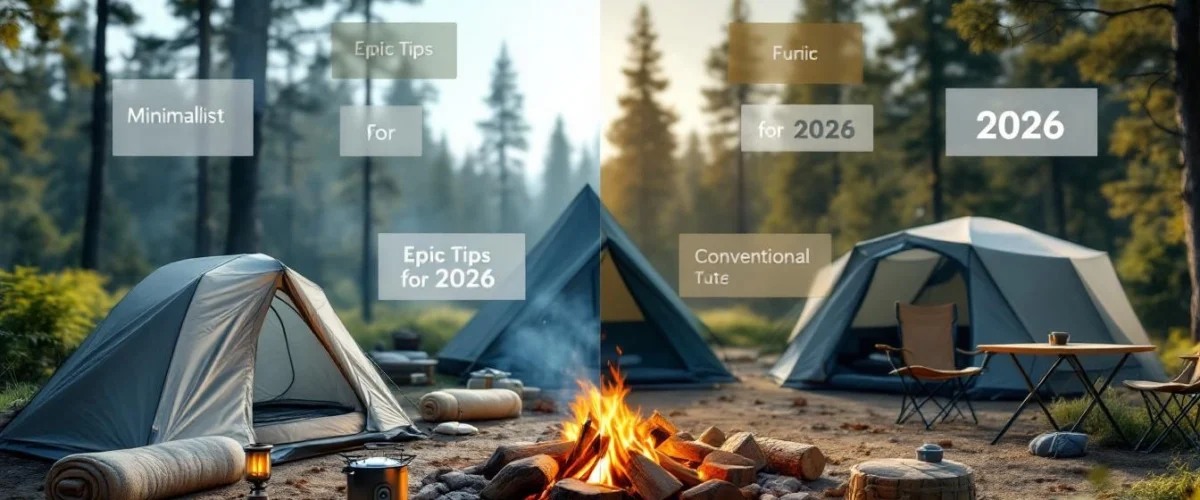
If you’re parking 20 feet from your site, weight matters less than comfort. A conventional camping setup—large tent, full camp kitchen, chairs for everyone—can make sense.
If you’re hiking 5 miles to a backcountry site, you’ll feel every extra pound. That’s where minimalist camping gear lists shine: multi-use items, compact shelter, lighter sleep systems. Many hikers dive deeper into ultralight vs conventional backpacking strategies to better understand these trade-offs.
Hybrid trips are common in 2026. Maybe you drive in but explore trails all day. In that case, you might camp comfortably but pack lighter for daily excursions.
Your comfort tolerance: honest self-assessment
Some people sleep fine on a firm pad. Others wake up cranky without a thick air mattress. Be honest. If poor sleep ruins your next day, treat sleep as non-negotiable and cut weight somewhere else—like simplifying meals.
Storage, transport, and real-life constraints
Apartment dweller? Limited storage naturally pushes you toward minimalist choices. Garage full of bins and a roof rack? It’s easier to accumulate gear—and harder to be selective.
If you have to carry everything down three flights of stairs, you’ll quickly see where minimalist vs conventional camping becomes less of a theory and more of a practical decision.
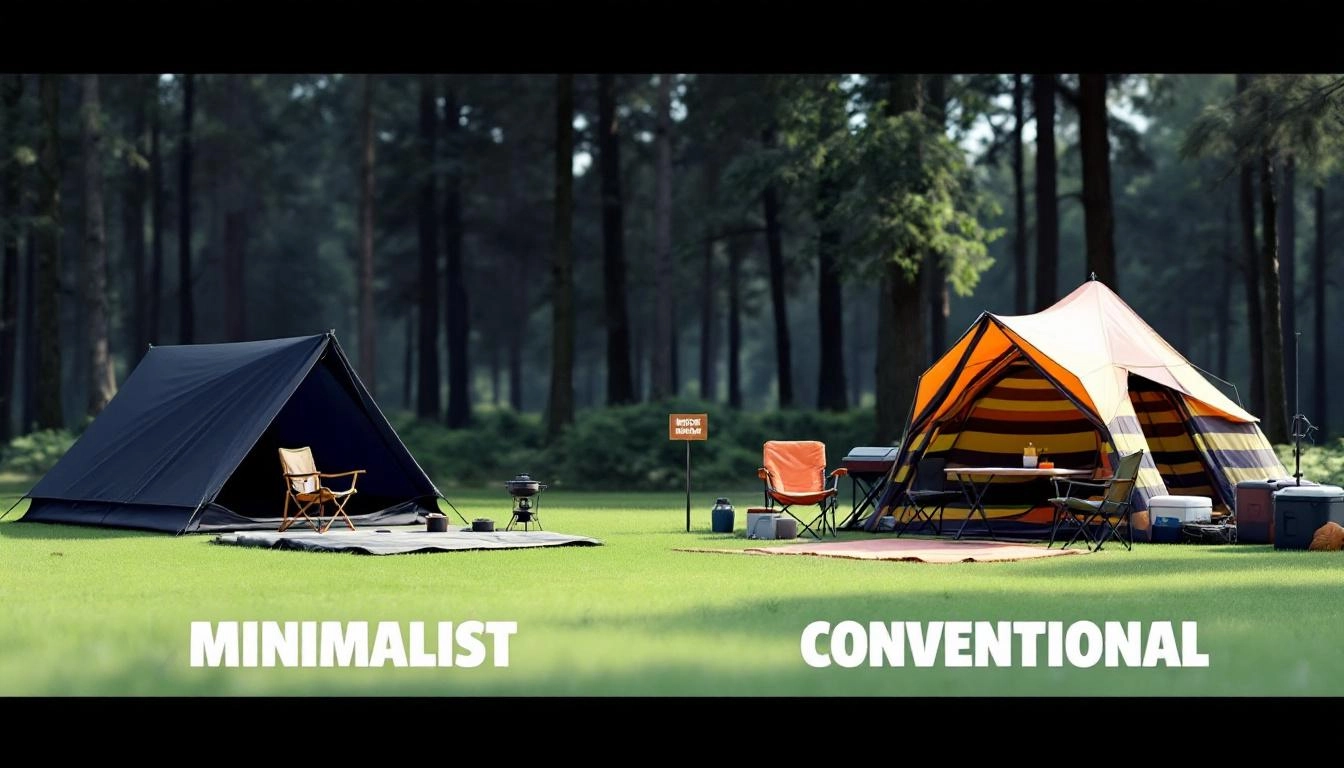
Tip 2: Gear Weight, Space & Setup Time Trade-Offs
This is where ultralight vs traditional camping trade-offs become real—especially at dusk.
Minimalist gear philosophy
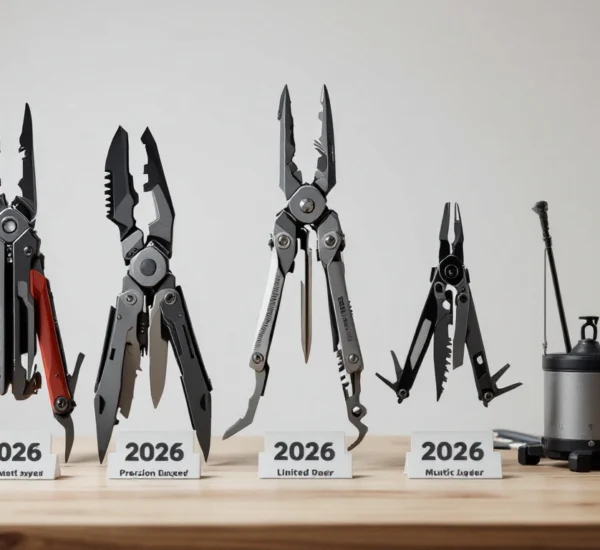
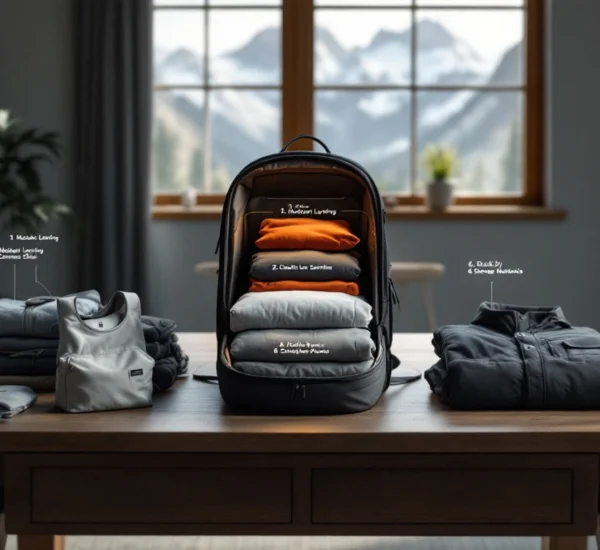
Minimalist systems focus on multi-use items: a pot that doubles as a bowl, a jacket that acts as a pillow, trekking poles that support your shelter. Everything earns its place.
Conventional setups
Conventional camping often means separation and redundancy. Dedicated camp chairs. A two-burner stove and a standalone grill. Extra tarps. Backup lanterns. The comfort level is high—but so is bulk.
Setup and breakdown time
Picture arriving late. The wind is picking up. Light is fading.
A minimalist setup might mean pitching a smaller tent in minutes and being done. A conventional setup could involve stakes, poles, awnings, kitchen tables, and coolers.
Quick rule: If your setup routinely takes longer than 20–30 minutes after dark, simplify. Stress compounds when visibility drops or rain starts. The fewer moving parts, the easier it is to adapt.
Tip 3: Comfort vs Simplicity — What Actually Matters? (Minimalist vs traditional camping)
When comparing Minimalist vs traditional camping, most conflicts come down to comfort systems. For a deeper breakdown of minimalist vs traditional backpacking gear decisions, it helps to look at how weight and comfort scale with distance.
Sleep systems: pads vs cots vs air mattresses
Thin foam pad: light, durable, quick to deploy. Best for backpacking or firm-ground sleepers.
Inflatable pad: middle ground. Smaller packed size, more comfort.
Cots and thick air mattresses: bulkier, heavier—fantastic for car camping and longer stays.
Priority rule: protect sleep and shelter first. Carry 5 extra pounds if it means the difference between recovery and misery.
Cooking setups: simple vs full kitchen
Boil water, eat, move on—that’s minimalist efficiency. A single-burner stove handles most needs.
A full camp kitchen invites slower mornings: pancakes, coffee percolators, prep stations. Great for group morale, less great for tight packing space.
Shelter options
Ultralight tents set up fast and resist wind well when properly staked. Larger family tents offer standing height and separate rooms—but demand more ground space and time.
If storms are likely, simplicity can help you react quickly. But size can improve comfort during multiday rain. Match the tent to forecast and trip length.
Tip 4: Budget & Long-Term Costs in 2026
Cost isn’t just what you pay today—it’s what you pay over several seasons.
Upfront costs
Ultralight gear often carries higher price tags due to lighter materials and technical design. Entry-level conventional gear can be more affordable but heavier and bulkier.
Before buying, compare verified prices from reputable outdoor retailers. Don’t assume lighter always means better for your use case.
Replacement cycles and durability
Some ultralight materials prioritize weight savings over long-term abrasion resistance. If you camp frequently on rough ground, durability matters more than shaving ounces.
Hidden costs
Heavier loads can increase fuel usage on long drives. Extra bins may require roof racks or larger storage areas. Over three years, small costs add up.
Many campers find a middle path works best: buy versatile, mid-range gear once instead of upgrading in stages.
Tip 5: Safety, Weather & Regulatory Factors
No debate about camping style overrides safety.
Fire rules, food storage, and campsite regulations
Regulations vary by park and season. Before any trip, review official guidance from the National Park Service camping page or your managing agency. If you’re heading into remote areas, check backcountry camping guidelines for permit and storage requirements.
Respect Leave No Trace principles to minimize impact and avoid fines. The 7 Leave No Trace principles are a solid baseline.
Weather exposure
Shoulder season camping brings sudden temperature drops. In minimalist setups, fewer spare layers mean less margin for error. If the forecast shows volatility, pack at least one insulating backup layer and a reliable rain shell.
Always verify the forecast through an official weather service the day before departure.
Redundancy vs minimal load
In remote areas, a small amount of redundancy—extra water purification method, backup headlamp—can be wise. Close to your car in a developed campground? You can afford to trim more aggressively.
Tip 6: Who You’re Camping With Changes Everything
Your ideal setup shifts dramatically depending on company.
Solo camping and mobility
Solo trips favor lightweight efficiency. You control pace, meal simplicity, and sleep standards. Many solo hikers refine their approach by studying ultralight vs conventional backpacking comparisons before committing to a lighter kit.
Couples and shared compromises
One partner loves cooking elaborate meals. The other wants to travel light. Decide in advance who sets the baseline for comfort—and where you’re willing to adjust.
Families and kids
With kids, conventional camping setups often win for morale. Thick pads, familiar snacks, roomy tents—these reduce friction.
Decision rule: prioritize the least-experienced camper’s comfort level. One cold, sleepless child can outweigh any minimalist ideal.
Tip 7: How to Choose Minimalist vs Traditional Camping for Each Trip
Think of minimalist vs conventional camping as a spectrum, not a label.
A 5-question quick filter
- How far is the campsite from parking?
- Is the forecast stable or unpredictable?
- How many nights—and do I have a recovery day after?
- Who is coming, and what’s their minimum comfort need?
- Am I testing new gear or relying on proven systems?
Seasonal adjustments
Peak summer often allows lighter sleep systems and simpler cooking. Spring and fall demand more insulation and weather protection.
Hybrid strategy
Start with a minimal core: reliable shelter, quality sleep system, weather-ready layers. Then add selective comforts—chairs, upgraded stove, extra lighting—based on trip goals. This flexible approach works well in the ongoing debate of Minimalist vs traditional camping.
Checklist
- Trip type defined (backcountry or drive-in?)
- Weather forecast verified from official source
- Distance from parking confirmed
- Number and experience level of campers considered
- Minimum sleep comfort requirement defined
- Cooking expectations clarified
- Regulatory checks completed via official park websites
Common Mistakes
- Going minimalist without an overnight test run close to home. Try your sleep system in the backyard first.
- Overpacking out of vague anxiety instead of evaluating real risks.
- Ignoring shoulder-season forecasts and underestimating night temperatures.
- Buying ultralight gear without understanding durability trade-offs.
- Treating minimalist vs conventional camping as a fixed identity instead of adjusting by trip.
Frequently Asked Questions
What is the main difference between minimalist vs conventional camping?
The main difference is the amount and type of gear you bring. Minimalist setups prioritize lightweight, multi-use items and quicker setup. Conventional camping setups focus on comfort, redundancy, and dedicated gear for cooking, sleeping, and relaxing.
Is minimalist vs conventional camping better for beginners?
Beginners often benefit from moderate conventional comfort—especially for sleep—while keeping gear simple. Too little gear can create unnecessary stress, but too much can feel overwhelming.
How do I decide between Minimalist vs traditional camping for a family trip?
Consider age, experience, and tolerance for discomfort. For families, err on the side of warmth, sleep comfort, and easy meals. Trim weight in non-essential areas instead.
Does minimalist camping always mean ultralight backpacking?
No. Minimalist camping can also apply to car camping. It simply means bringing fewer, purposeful items rather than filling the car because space allows it.
What gear should never be skipped in minimalist vs conventional camping?
Dependable shelter, adequate insulation for expected lows, safe food storage, lighting, and a basic first-aid kit. These remain essential regardless of style.
Is Minimalist vs traditional camping more cost-effective in the long run?
It depends on trip frequency and environment. Buying durable, versatile gear once often proves more cost-effective than repeatedly upgrading cheaper equipment.
Conclusion
The smartest approach to minimalist vs conventional camping isn’t choosing a camp and defending it. It’s matching gear to terrain, weather, trip length, and people. Protect sleep. Respect the forecast. Set comfort based on the least-experienced camper.
Before your next 2026 trip, remove three items you didn’t use last time—or simplify your cooking setup—and see how it feels. Small experiments teach more than big purchases. Evaluate your current gear, adjust with purpose, and treat minimalist vs conventional camping as a tool, not a label.