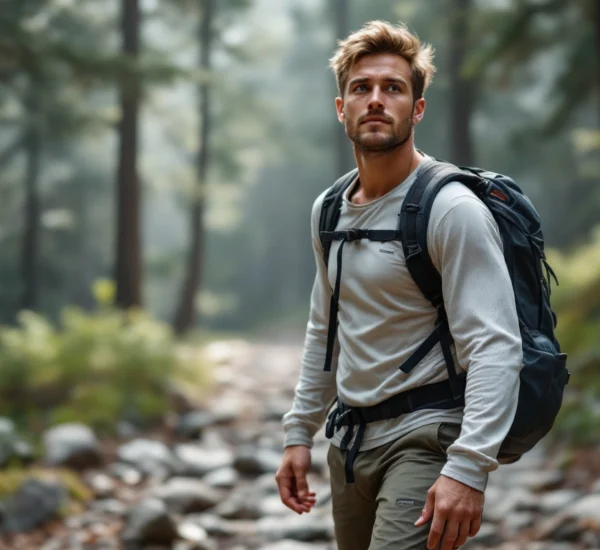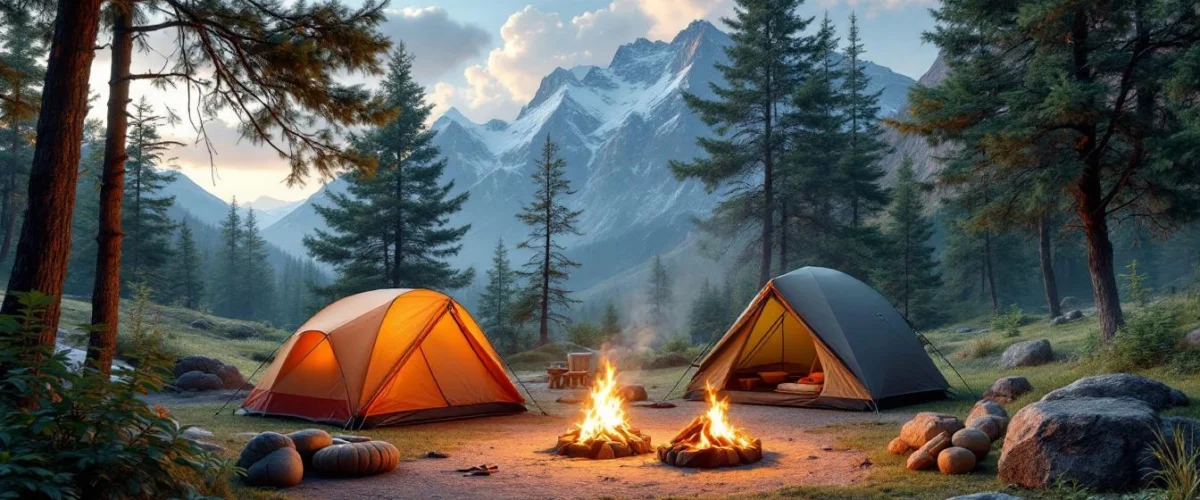
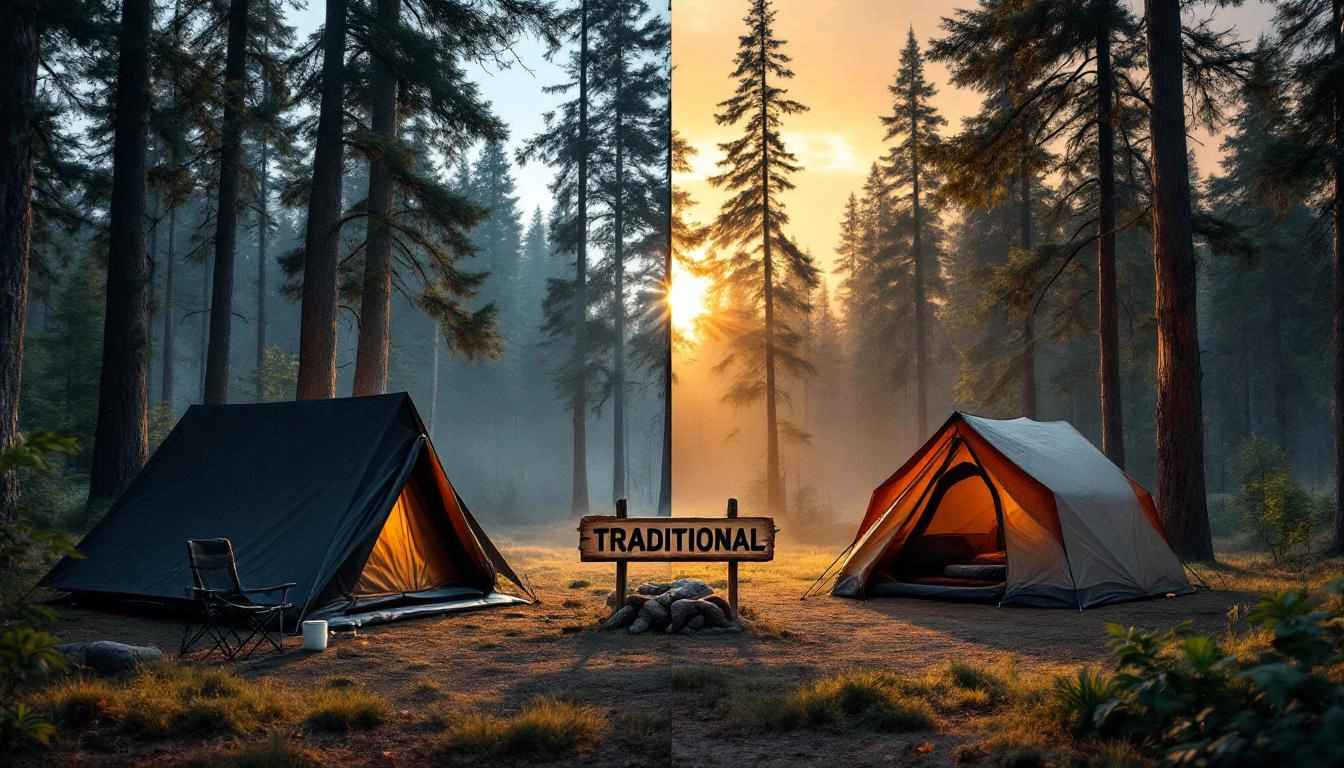
Picture two campsites side by side. One SUV is unpacking folding tables, a full-size cooler, and a six-person tent. Next to it, a solo camper shoulders a single backpack and walks calmly to a smaller pad. That contrast captures the heart of minimalist camping vs traditional camping in 2026. Rising campground fees, tighter reservations, gear inflation, and stronger sustainability expectations are pushing campers to rethink how much they really need. In this guide, we’ll break down the real differences in Minimalist vs traditional camping, explore seven emerging trends shaping this year, and give you a practical framework to choose the setup that fits your budget, comfort level, and campsite reality.
Table of Contents
- Gear Load & Packing Philosophy
- Comfort vs Simplicity: Daily Camp Life
- Costs in 2026: Budget Reality Check
- Minimalist vs traditional camping: Environmental Impact & Ethics
- Tech, Power & Connectivity Trends
- Who Each Style Fits Best in 2026
- Checklist
- Common Mistakes
- Frequently Asked Questions
- Conclusion
Gear Load & Packing Philosophy
The clearest difference shows up before you even leave the driveway: how much you pack and why you packed it.
Minimalist packing rules that actually work
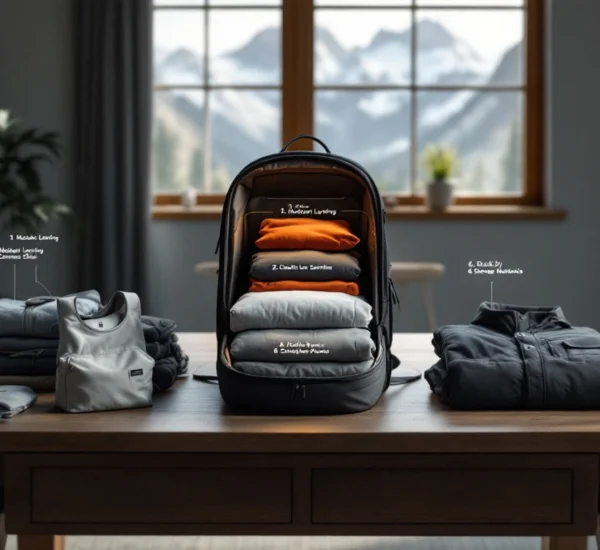
Minimalist campers focus on four pillars: shelter, sleep, hydration, and safety. Everything else is questioned.
- One reliable shelter (tarp, trekking-pole tent, or compact dome).
- A dialed-in sleep system rated for expected lows.
- Water filtration or storage that matches your site conditions.
- Basic safety kit: first aid, light source, navigation.
Here’s the hard truth: when you cut weight too aggressively, sleep comfort usually suffers first. If you wake up cold at 3 a.m., the “ultralight win” doesn’t feel like a win. Before committing, load your pack and carry it 200–300 meters. If your shoulders burn, adjust now—not at the trailhead.
Traditional camping setup expectations
A traditional camping setup assumes vehicle access and room to spread out. Larger tents, thicker air mattresses or cots, multi-burner stoves, lanterns, separate kitchen bins—it adds up.
The most common mistake? Duplicates “just in case.” Two spatulas, three knives, extra tarps you never unroll. Ask yourself: Are you parking next to the pad, or hauling across uneven gravel? The answer should shape every item you load.
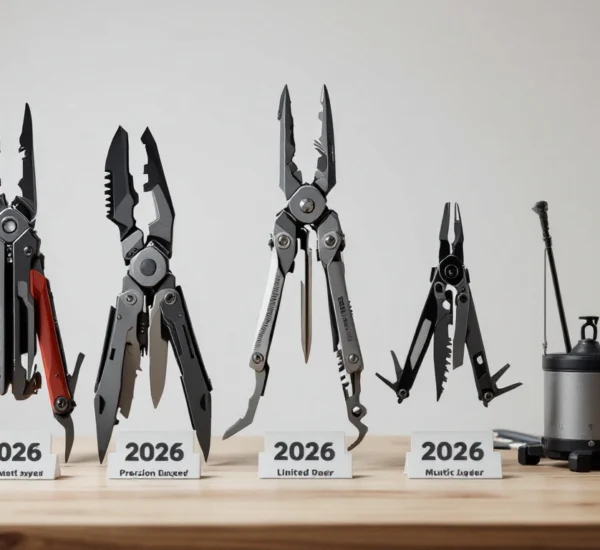
2026 Trend #1: Multi-use, modular gear
This year, both styles are borrowing from each other. Collapsible and multi-use camping gear ideas, hybrid quilts that convert for seasons, and modular storage systems are everywhere. Before buying into claims of “all-in-one,” read manufacturer specs carefully and check packed size against your actual trunk or pack volume. Marketing photos rarely show real-world storage constraints.
Comfort vs Simplicity: Daily Camp Life
Gear weight is only half the story. The daily rhythm at camp feels very different depending on your approach.
Sleep, shelter, and weather tolerance
Minimalist setups lean toward tarps, bivy sacks, or compact tents. They pitch fast and pack small. Traditional campers often choose larger dome or cabin tents with thicker pads or cots.
Before you finalize your sleep system, check expected nighttime lows and wind exposure using an official forecast such as the National Weather Service. If wind gusts are forecast above what your tarp can handle, rethink the plan. Exposure ruins trips faster than extra ounces.
Decision cue: If you struggle with poor sleep at home, don’t assume you’ll sleep better on a thin pad outdoors.
Camp cooking: basic fuel vs camp kitchen
Minimalist cooking might mean one small stove—or no stove at all with cold meals. Cleanup is quick. Less gear means fewer dishes in the dark.
Traditional setups often include coolers, prep tables, two-burner stoves, and dedicated cookware. The payoff is comfort and variety. The trade-off is time: more prep, more washing, more packing.
If arriving close to sunset, the simpler kitchen wins. Complex meals are better saved for relaxed mornings.
2026 Trend #2: Ultralight comfort upgrades
Compact air pads with higher insulation values and lightweight camp chairs are narrowing the gap. Many of these foldable camping gear solutions are designed to collapse small enough for both backpacking and car camping. Just confirm interior tent dimensions—some small shelters barely fit a wide pad.
Costs in 2026: Budget Reality Check
Both styles can be affordable—or expensive. It depends how you build your kit.
Upfront gear investment comparison
Minimalist campers often buy fewer items, but those items may use technical materials and cost more per piece. Traditional campers might choose affordable, durable gear—just more of it.
A practical rule: compare price per item and total kit cost. A $300 ultralight shelter replaces several bulkier components. On the other hand, a budget family tent may cost less overall than a full lightweight solo system.
Campsite fees & reservation patterns
Car-access sites and developed campgrounds are typically booked through platforms like Recreation.gov. Backcountry areas may require separate permits. In Canada, always review current camping policies through Parks Canada’s camping page before planning.
Budget for extras: reservation fees, firewood purchases where outside wood is restricted, and parking permits. Overlooking these small charges skews your camping budget comparison quickly.
2026 Trend #3: Rental & second-hand gear growth
Many new campers now rent tents or sleep systems for a weekend before investing. That’s smart. Test overnight comfort first. One cold night teaches more than ten product reviews.
Minimalist vs traditional camping: Environmental Impact & Ethics
The impact conversation isn’t about who packs less—it’s about who camps responsibly.
Leave No Trace basics
The Leave No Trace Seven Principles outline core practices: plan ahead, travel and camp on durable surfaces, dispose of waste properly, and respect wildlife.
Common myth: minimalist automatically equals low impact. Reality check—if you pitch on fragile vegetation or ignore food storage rules, your footprint grows regardless of pack size.
Gear volume vs footprint
More gear can mean more site disturbance—extra tarps, larger tent footprints, wider cooking areas. Choosing smart compact multi-use camping equipment can reduce spread without sacrificing convenience. But a well-organized traditional campsite on a durable pad can still meet low impact camping practices.
Before setting up, look for hardened surfaces. If the ground shows clear previous use, that’s usually the right place.
2026 Trend #4: Low-impact expectations tightening
Some parks are increasing enforcement around food storage and campfire rules. Always review current campground guidelines through official portals like the National Park Service camping guidance. Conditions change seasonally—especially during fire restrictions.
Tech, Power & Connectivity Trends
Power is another dividing line.
Solar panels, battery banks & power stations
Minimalist campers tend to carry a small power bank for phone and headlamp. Traditional setups may include large portable power stations or solar panels.
Ask yourself: Do campsite rules limit generator noise? How long will recharge take if skies stay cloudy? Extra power adds weight and setup time.
Navigation & safety tools
Offline maps, satellite messengers, and weather apps add security. Test them before losing cell coverage. Download maps at home and confirm they open in airplane mode. In remote areas, knowing how to navigate without a signal is still essential.
2026 Trend #5: Hybrid unplugged camping
Many campers now choose partial disconnection—phones off during the day, quick check-ins at night. It balances safety and simplicity without turning the trip into a screen session.
Who Each Style Fits Best in 2026
The right choice depends less on trends and more on your context.
Best for solo campers & short trips
Minimalist advantages shine here. Quick setup, fast breakdown, easy mobility. If weather turns, you can adjust or relocate more easily.
Mistake to avoid: underestimating sudden cold snaps or storms.
Best for families & group camping
Traditional comfort reduces friction. When kids sleep well, everyone enjoys the trip more. A larger shelter also provides space during rain delays.
Check campground amenities in advance. Developed sites often accommodate bulkier traditional camping setups comfortably.
2026 Trend #6 & #7: Custom hybrid setups & seasonal adaptability
More campers now mix styles—lightweight shelter paired with a traditional cooking kit, or compact sleep systems inside a larger basecamp tent. Seasonal adaptability is growing too. Spring shoulder seasons demand warmer sleep ratings. Summer trips prioritize ventilation and shade.
Before leaving, verify any seasonal restrictions, especially fire bans or food storage rules, with park authorities.
Checklist
- Define your priority: weight, comfort, or cost.
- Check campsite regulations (fires, generators, permits).
- Review weather forecast from an official source.
- Test your sleep system at home once.
- Count total gear items—remove 10% before departure.
- Confirm food storage rules (bear lockers, hang requirements).
Common Mistakes
- Packing based on fear rather than realistic risk.
- Ignoring campsite-specific restrictions.
- Confusing minimalist camping with unsafe camping.
- Overspending without testing preferences first.
- Failing to plan for rain, wind, or temperature swings.
Frequently Asked Questions
What is the real difference in minimalist camping vs traditional camping for beginners?
The real difference comes down to volume and expectations. Minimalist focuses on essentials and mobility. Traditional adds comfort and redundancy. Beginners should start with safe, solid sleep and weather protection, then refine from there.
Is Minimalist vs traditional camping better for families with kids?
For most families, traditional setups reduce stress. Extra space and better sleep improve everyone’s mood. Minimalist approaches can work, but comfort usually matters more on multi-night trips with kids.
Does minimalist camping vs traditional camping save money long term?
It can, but not automatically. Minimalist systems may cost more upfront. Traditional systems involve more gear overall. Testing before buying keeps long-term costs under control.
Which is safer: minimalist or traditional camping setups?
Safety depends on preparation, not style. Adequate shelter, appropriate clothing, and proper food storage matter far more than how much gear you carry.
Can you combine Minimalist vs traditional camping into a hybrid approach?
Yes—and many campers do. A lightweight tent paired with a more robust kitchen system is common. Adjust based on trip length and site access.
What gear should never be skipped in minimalist camping?
A weather-appropriate shelter, insulated sleep system, reliable light source, and water treatment method should never be skipped. Cutting these corners leads to uncomfortable—or risky—nights.
How do campsite rules affect minimalist camping vs traditional camping choices?
Some sites limit generator use, firewood transport, or require bear-safe food storage. These factors can shape whether a simple or fully equipped setup makes more sense.
Conclusion
At its core, minimalist camping vs traditional camping isn’t about which style wins in 2026. It’s about trade-offs. Mobility vs comfort. Speed vs setup time. Lower volume vs expanded convenience. The smartest approach often blends both—light where you can, comfortable where it counts. Before your next trip, review regulations, check the forecast, and pack with intention. Whether you lean minimalist camping vs traditional camping, choose the setup that fits your campsite, your crew, and your tolerance for discomfort. Plan deliberately, test your gear, and head out confident.