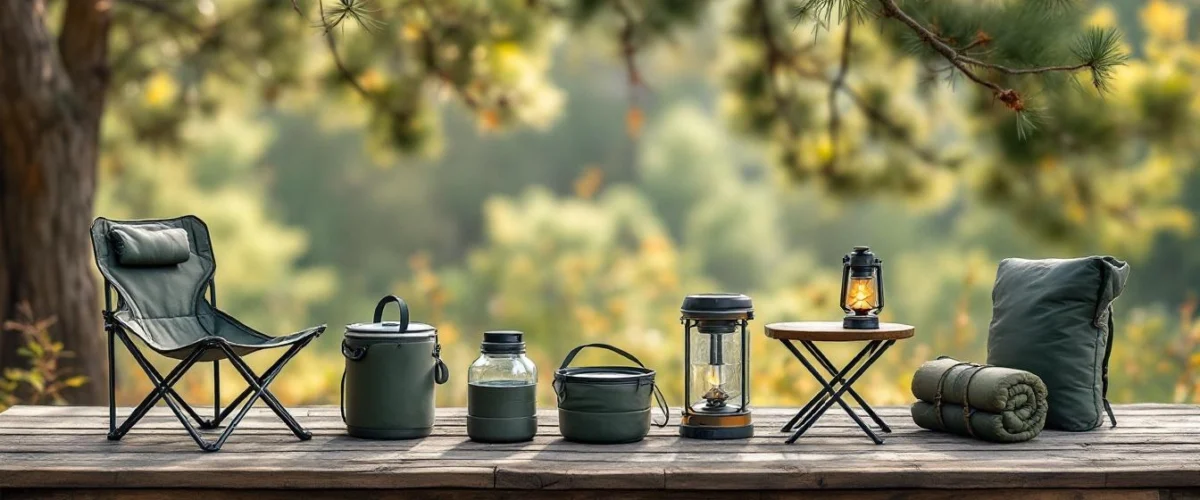
You load the car, close the trunk, and something won’t fit. Or you shoulder your pack and feel the extra weight pulling you backward before you’ve reached the trailhead. That’s where foldable camping gear changes the equation. Smart, compact equipment that collapses and does double duty means less bulk, fewer forgotten items, and a smoother setup once you reach camp. In this guide, you’ll find seven practical Multi-use camping gear ideas that save space without sacrificing comfort—plus the trade-offs to watch for, how to choose durable designs, and the common mistakes that waste money or fail when you need them most. For a broader roundup of smart upgrades, explore this curated list of multi-functional camping gear 2026: 7 stunning multi-use picks.
Table of Contents
- Why Choose Foldable Multi-Use Camping Gear?
- 1. Foldable Camping Chair That Converts to a Lounger or Storage Seat
- 2. Collapsible Cooking Kit That Nests into One Compact Unit
- 3. Foldable Solar Lantern + Power Bank Combo
- 4. Folding Table That Doubles as Meal Prep and Gear Station
- 5. Collapsible Water Container with Multi-Purpose Use
- 6. Foldable Sleeping Pad with Seating Function
- 7. Compact Multi-Use Camping Gear Storage System
- Quick Buyer Checklist for Foldable Camping Gear
Why Choose Foldable Multi-Use Camping Gear?
Not every trip demands ultralight backpacking gear, but almost every camper benefits from smarter use of space. Foldable designs shine when storage is tight—small SUVs, crowded campsites, or limited home storage between trips. Many of today’s multi-use camping gear solutions built for compact travel are designed specifically for these space-limited setups.
Space vs. Weight: What Actually Matters
Car camping? Packed size usually matters more than shaving ounces. Backpacking? Weight becomes critical. Before upgrading, measure your trunk width or your backpack’s usable interior height. Many campers guess—and end up buying gear that technically “folds” but still doesn’t fit where they need it.
Be aware of trade-offs. Ultra-compact frames sometimes lose stability. If you camp on uneven gravel or soft ground, prioritize wider feet and locking supports over the smallest folded size.
Cost Over Time: Buy Once or Replace Often?
Folding hinges, rivets, and stitched stress points are the first failure areas. Look for reinforced joints and replaceable parts. Cheap folding joints often crack mid-season, especially in cold weather. If you open and close it every trip, durability matters more than saving a few dollars upfront.
When Multi-use Camping Gear Is Not Ideal
Specialized trips—extreme cold, mountaineering, or extended backcountry travel—may require dedicated equipment. A multi-use design is convenient, but safety comes first. Review official camping safety guidance through the National Park Service camping resources when planning higher-risk outings.

1. Foldable Camping Chair That Converts to a Lounger or Storage Seat
A folding camp chair that reclines or includes an under-seat storage sling can replace both a relax-and-read lounger and a small gear bin.
What to Look For in Folding Frame Design
- Clearly stated weight capacity with reinforced cross-bracing.
- Locking mechanisms that click firmly into place.
- Wide, anti-sink feet for sand or soft grass.
Before buying, set it up on uneven ground in-store if possible. If it wobbles on tile, it’ll wobble at camp.
When a Dual-Use Chair Makes Sense
Small campsites, festival camping, and van life benefit most. One chair per person that doubles as storage means fewer loose items scattered overnight. It’s a practical example of how smart multi-functional camping gear can streamline your entire setup.
Common Failures and Fixes
Sagging fabric usually signals overstretching—stay within weight limits. Loose rivets can sometimes be tightened, but cracked joints typically mean replacement. Inspect before each trip.
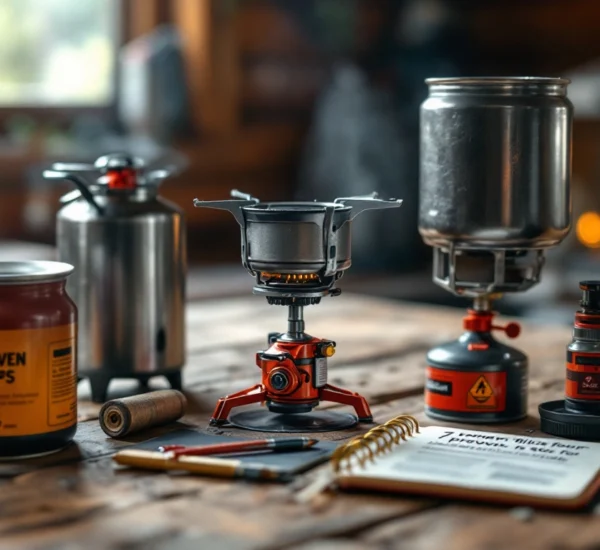
2. Collapsible Cooking Kit That Nests into One Compact Unit
A nesting cookware set—pot, pan, bowl, lid, utensils—reduces clutter and speeds up cleanup. Everything returns to one compact cylinder.
Silicone vs. Hard-Anodized Metal Components
Silicone components save space and compress well, but always confirm manufacturer heat ratings before open-flame use. Hard-anodized aluminum handles higher temperatures but doesn’t collapse. Many kits wisely combine both.
Real Campsite Workflow
Cook, wipe down, let cool, then nest. When wind picks up, fewer loose items means less chasing gear across the site. Check that the set fits your stove’s diameter and fuel type before relying on it. Compact nesting sets are often featured among top-rated space-saving multi-use gear recommendations for good reason.
Mistakes to Avoid
- Packing duplicate utensils.
- Ignoring lid compatibility with your primary pot.
- Forgetting a stable surface for hot cookware.
3. Foldable Solar Lantern + Power Bank Combo
This replaces two essentials: camp lighting and backup power.
Brightness, Battery Capacity, and Weather Resistance
Check lumen output for usable campsite light and confirm battery capacity for device charging. Look for weather resistance ratings and sealed ports. Test full charge time at home before depending on solar alone.
When This Multi-use Camping Gear Replaces Two Devices
For weekend trips, a lantern-power bank combo usually eliminates the need for a separate battery pack. In emergencies, it becomes both visibility and communication support.
Follow general camping safety guidance from KOA’s camping safety tips when planning lighting and power backup.
Safety Considerations
Avoid unknown battery brands without safety documentation. Store away from heat and never charge unattended inside tents.
4. Folding Table That Doubles as Meal Prep and Gear Station
A reliable foldable camping table gives you a clean cooking space and an organized gear station.
Weight Capacity and Surface Stability
Check hinge locks and crossbars. Set it up on uneven ground and press weight into the corners. Wobble now means frustration later—especially if you’re using a camp stove.
Smart Layout Setup at Camp
Divide your table into zones: one side for food prep, the other for lanterns or tools. Keeping dirty gear separate lowers cross-contamination risk.
Storage Size vs. Workspace Trade-Off
Measure folded length. If it cannot fit flat in your trunk or roof box, it adds stress instead of convenience.
5. Collapsible Water Container with Multi-Purpose Use
A collapsible water container does more than transport drinking water—it becomes your handwashing station, dish rinse bucket, and fire safety backup.
Safe Water Storage Guidelines
When filling from non-treated sources, follow safe water practices outlined by the CDC’s drinking water guidance. Use food-grade containers and secure lids. If unsure about the source, treat before drinking.
Uses Beyond Drinking
- Gravity-fed handwashing with a spigot.
- Dishwashing rinse station.
- Emergency fire suppression standby.
What to Check Before Filling
Inspect seams for stress lines. Test the spigot for leaks at home. A slow drip inside your vehicle makes a long drive miserable.
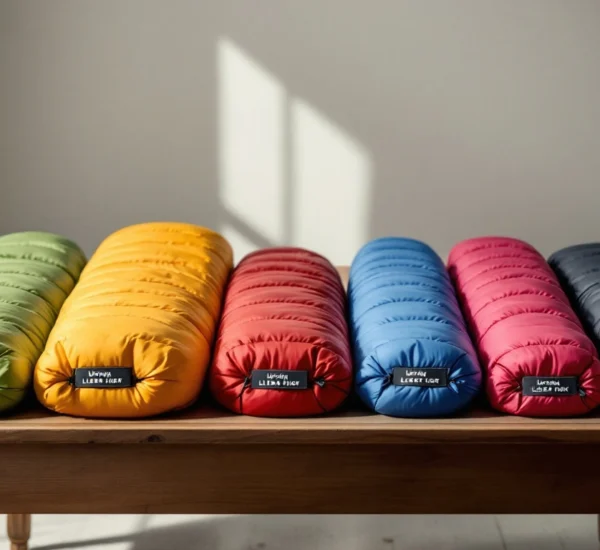
6. Foldable Sleeping Pad with Seating Function
A foldable sleeping pad that bends into a sit pad can replace a separate chair in minimalist setups.
Foam vs. Inflatable Foldable Designs
Foam pads are nearly indestructible and quick to deploy. Inflatable designs offer more comfort but need puncture care. Confirm manufacturer-stated R-values for insulation suitability.
Comfort vs. Packability
Side sleepers often need thicker pads. If your hip touches the ground during a test setup, upgrade thickness rather than gambling on better sleep.
When It Replaces a Camp Chair
Backpacking, bikepacking, or short weekend trips where pack space is tight.
7. Compact Multi-Use Camping Gear Storage System
An organized storage system prevents overpacking and speeds up setup.
Folding Crates vs. Compression Sacks
Car campers benefit from folding crates that stack neatly. Backpackers favor compression sacks that mold to pack shape.
Organization That Speeds Up Setup
Group by activity: cooking kit, sleep kit, hygiene kit. When you arrive late, you’ll know exactly which bag to grab.
Common Overpacking Problem
If an item has no second use, reconsider packing it. Multi-use camping gear reduces “just in case” clutter.
Quick Buyer Checklist for Foldable Camping Gear
- Check folding mechanisms for durability.
- Confirm packed dimensions and total weight.
- Verify material weather resistance.
- Test stability on uneven terrain.
- Ensure it truly replaces at least one other item.
- Review manufacturer safety specs before use.
Checklist
- Confirm campsite size and storage space.
- Match gear to trip length and season.
- Inspect hinges and stress points before every trip.
- Test gear at home once before field use.
- Clean and dry foldable components to prevent mold or rust.
Common Mistakes
- Buying solely for compactness without checking durability.
- Ignoring stated weight limits.
- Overestimating solar charging speeds.
- Skipping water safety verification.
- Choosing unstable tables for cooking stoves.
Frequently Asked Questions
What is the biggest advantage of foldable camping gear for small campsites?
It reduces clutter and setup time. Compact items free up table space and walking room, especially in tight campground pads.
Is Multi-use camping gear worth it for short weekend trips?
Yes—short trips benefit from faster packing and unpacking. Fewer items mean less chance of forgetting something essential.
How durable is foldable camping gear compared to traditional equipment?
High-quality models are very durable, but hinges and joints require inspection. Prioritize reinforced frames and reputable brands.
Can foldable camping gear handle heavy outdoor weather conditions?
Many items can manage wind and light rain, but always verify material ratings. Severe conditions may require specialized gear.
What should I check before buying Multi-use camping gear?
Check weight limits, hinge strength, weather resistance, packed dimensions, and whether it genuinely replaces another item.
Does foldable camping gear save enough space for backpacking trips?
Often yes, especially for items like collapsible cooking kits and seating pads. For ultralight trips, compare weight carefully before swapping traditional gear.
Conclusion
Smart camping isn’t about owning more gear—it’s about owning the right gear. The best foldable camping gear replaces bulky duplicates, packs down small, and stands up to real campsite use. Before your next trip, lay out your equipment and identify two bulky items you rarely use. Could one well-chosen piece of Multi-use camping gear take their place? Test at home, check durability points, and upgrade thoughtfully. A lighter load and cleaner campsite start with better decisions—not more stuff.