The first time you try packing light, it usually feels great—until that first cold night or missing tool reminds you what you left behind. Overcoming minimalist camping challenges isn’t about carrying less at all costs. It’s about making sharp decisions so you stay safe, sleep well, and enjoy the miles in front of you. Most Minimalist camping challenges come down to four things: cutting insulation too aggressively, misjudging weather, underestimating water access, and choosing campsites poorly. In this guide, you’ll learn seven practical fixes for 2026—real-world decision rules, gear trade-offs, and field habits that help you pack lighter without making your trip harder than it needs to be.
Table of Contents
- Rethink Your Packing System Before You Cut Gear
- Build a Sleep System That Balances Weight and Recovery
- Master Food and Water Planning With Fewer Supplies
- Prepare for Weather Without Overpacking
- Choose Campsites That Compensate for Minimal Gear
- Create a Safety Net Without Breaking Minimalism
- Develop a Personal Decision Rule for Future Trips
Rethink Your Packing System Before You Cut Gear
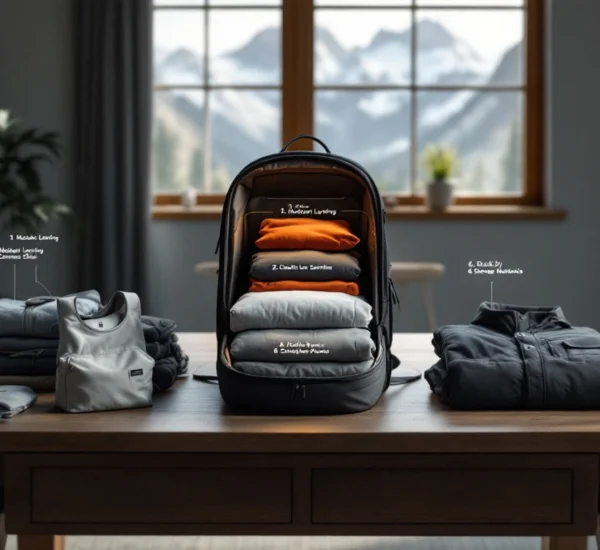
The biggest mistake I see? People start removing gear before they understand what they actually use. Fix the process first. Then trim weight with accuracy. If you’re new to intentional packing, how minimalist camping teaches life-changing lessons can help reframe how you think about what truly belongs in your pack.
Audit What You Actually Use
After your next trip, lay everything out at home.
- Tag items you used every day.
- Mark gear you never touched.
- Write down anything you wished you had.
This takes ten minutes and tells the truth better than any online packing list. Your hiking style, climate, and comfort threshold are unique.
Replace, Don’t Just Remove
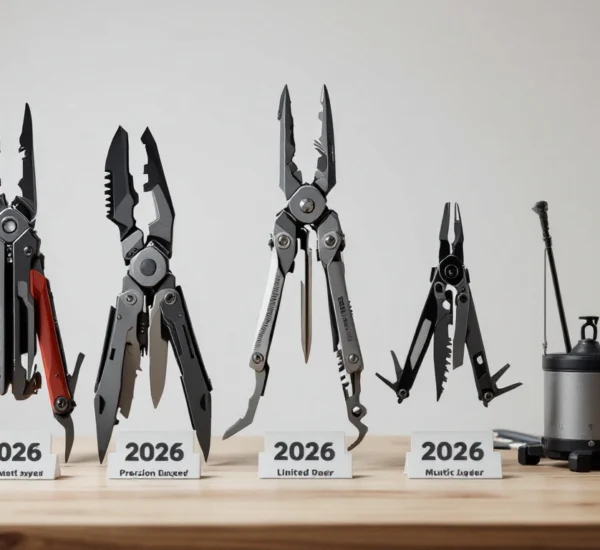
Instead of deleting gear outright, look for multi-use options. A wind-resistant rain shell can double as an evening warmth layer. A trekking pole can support a lightweight tarp. The goal isn’t fewer items—it’s smarter ones.
When you swap, check durability. If you’re hiking rough terrain or shoulder season, don’t sacrifice reliability for a minor weight savings.
Set a “No Regret” Core Kit
If losing an item would put safety at risk, it stays. Shelter, insulation, navigation, light, and basic first aid aren’t optional. Minimal means intentional—not vulnerable. This mindset mirrors the broader principles behind building resilience through minimalist camping, where discipline supports preparedness—not recklessness.
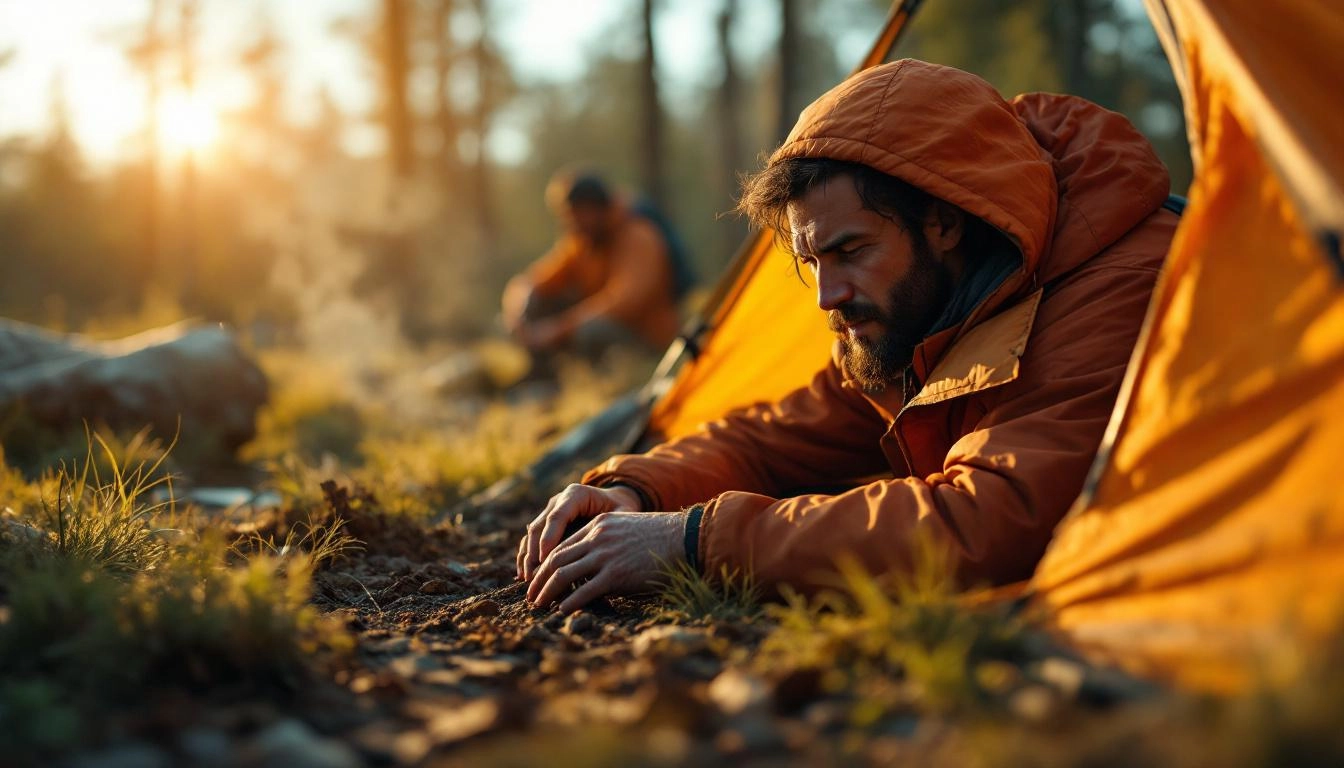
Build a Sleep System That Balances Weight and Recovery
If there’s one place people underestimate Minimalist camping challenges, it’s sleep. Poor recovery compounds fast, especially when you underestimate how intentional simplicity supports comfort as discussed in the deeper lessons of minimalist camping.
Understand Your Temperature Threshold
Check the official forecast 24 hours before departure using the NOAA National Weather Service forecast. Look at overnight lows—not just daytime highs.
Know yourself. Cold sleeper? Add insulation. Warm sleeper? You can push lighter ratings. Don’t rely on guesswork.
Pad vs. Bag Trade-Offs
People often upgrade to a lighter sleeping bag and ignore the pad. Big mistake. Ground insulation affects comfort more than most expect. If you wake up shivering from below, your pad is the weak link.
If you’re cutting weight, reduce extras first—never core insulation.
Field Test at Home Before Remote Trips
Set up in your backyard or a nearby campground. Sleep in expected conditions. If something feels borderline at home, imagine it after 12 trail miles.
Master Food and Water Planning With Fewer Supplies
Food planning is where packing light gets strategic.
Calorie Density Over Volume
Choose compact, energy-dense options. Nuts, nut butters, tortillas, hard cheeses, dehydrated meals. Check packaging for calorie-per-ounce details and compare.
If it takes a bulky cooking system for a single fancy dinner, reconsider.
Water Access Verification
Never assume a stream will be flowing. Confirm conditions through park resources or visitor centers. For U.S. public lands, review planning information at the National Park Service trip planning page.
Before leaving your last reliable source, ask yourself: “Is the next refill point guaranteed?” If the answer is uncertain, carry extra capacity.
Simple Meal Framework
Keep it predictable:
- One hot meal per day.
- One no-cook fallback option.
- Simple breakfast requiring minimal fuel.
If weather turns bad and you can’t cook comfortably, you still eat.
Prepare for Weather Without Overpacking
Weather shifts create some of the most frustrating minimalist mistakes.
Layering Strategy Instead of Extra Clothing
Use a three-layer system:
- Base layer to manage moisture.
- Insulating layer for warmth.
- Shell for wind and rain protection.
Add layers with purpose. Don’t pack duplicate comfort clothing “just in case.”
Rain and Wind Reality Check
Check forecast models the day before departure. If wind exposure is likely, prioritize a reliable shell over an extra shirt. Wind strips warmth fast—even mild temperatures can feel biting on exposed ridges.
Emergency Buffer Items
A lightweight emergency layer or bivy can serve as a critical buffer in deteriorating conditions. This balance between preparedness and simplicity reflects many of the core principles outlined in minimalist camping mindset shifts.
Choose Campsites That Compensate for Minimal Gear
Your campsite choice can either magnify problems—or solve them.
Natural Shelter Advantages
Look for tree cover that blocks dominant wind direction. Use terrain—small rises, rock features—for protection.
When you arrive, pause. Feel the wind. Watch how grass moves. Make your shelter work less.
Ground Conditions and Drainage
Avoid low spots where water pools. After rain, puddles tell the story. Walk the perimeter before pitching your tent. Five extra minutes here prevent a miserable night.
Follow Official Camping Rules
Fire regulations, food storage rules, and designated campsite requirements vary widely. Always verify locally before your trip. Start with Recreation.gov camping regulations or the specific agency managing your area.
For low-impact best practices, review principles from the Leave No Trace Center for Outdoor Ethics.
Create a Safety Net Without Breaking Minimalism
Minimalism should never erase margin.
The Non-Negotiable Safety Essentials
- Basic first aid kit tailored to your trip length.
- Reliable headlamp with fresh batteries.
- Map and compass (and knowledge to use them).
If electronics fail, you still need orientation and light.
Communication and Trip Planning
Leave a clear itinerary with a trusted contact. Include route, expected return time, and emergency contacts. This habit weighs nothing—and matters.
Redundancy Where It Matters
Carry one backup fire-starting method. One spare light source or battery. That’s enough redundancy for most trips without bloating your pack.
Develop a Personal Decision Rule for Future Trips
Experience builds clarity.
After-Trip Debrief Habit
Within 24 hours of returning:
- Note discomforts that affected performance.
- Identify true excess weight.
- Write one adjustment for next time.
Refine Your Definition of “Minimal”
Minimal doesn’t mean spartan. It means sufficient—where safety, sleep, and energy are protected.
When to Break the Rules
Shoulder seasons, remote backcountry, or leading a group justify extra buffer. Adjust for terrain and responsibility.
Checklist
- Audit and categorize current gear.
- Verify weather through official forecasts.
- Confirm local camping regulations.
- Test sleep system before long trips.
- Carry one justified backup for safety-critical items.
- Leave trip itinerary with a trusted contact.
- Conduct a 10-minute post-trip review.
Common Mistakes
- Cutting insulation first to save weight.
- Ignoring water resupply uncertainty.
- Failing to re-check weather forecasts.
- Confusing discomfort with discipline.
- Copying someone else’s gear list exactly.
- Not verifying official campsite rules.
Frequently Asked Questions
What’s the hardest part of overcoming minimalist camping challenges for beginners?
The hardest part is judging what to remove without affecting safety or recovery. Start by trimming convenience items—not insulation or navigation tools. Test gradually on shorter trips.
What are the most common Minimalist camping challenges for beginners?
The most common issues are poor sleep due to inadequate insulation, miscalculating water access, and underestimating weather changes. Each of these can be managed with better planning and realistic gear testing.
How do I start reducing gear safely?
Remove one or two non-critical items per trip. Evaluate the impact. Keep detailed notes. Avoid making multiple major changes at once.
Is minimalist camping safe in colder seasons?
It can be, but insulation and weather awareness become non-negotiable. Verify temperatures and expected conditions before departure and adjust accordingly.
How much gear can I realistically remove without sacrificing comfort?
Most people can eliminate redundant clothing, specialty gadgets, and backup “luxury” items. Core sleep, shelter, hydration, and safety equipment should remain stable.
Do I need special permits or rules when minimizing gear in parks?
Gear size doesn’t change permit requirements. Always confirm current rules and regulations with the official agency managing your destination before travel.
Conclusion
At its core, overcoming minimalist camping challenges is about thoughtful trade-offs—not chasing the lightest number on a scale. When you audit your gear honestly, protect your sleep system, verify weather and regulations, and keep a slim safety margin, your pack gets lighter without your trip getting harder. Start small. Apply two or three of these strategies on your next short outing. Then refine. The process of overcoming minimalist camping challenges is gradual—and the reward is a setup that feels efficient, capable, and ready for wherever the trail leads next.