Your first minimalist trip feels bold. You lay out your gear, start trimming “just one more” item, and convince yourself you won’t need the extra layer, backup light, or full first-aid kit. Then the temperature drops after sunset and you’re lying awake, cold and uncomfortable. Many mistakes of first-time minimalist camper experiences don’t come from bad intentions—they come from overconfidence and misunderstanding what Minimalist camping challenges really involve. Going light isn’t about proving toughness. It’s about balance, judgment, and knowing where you can cut weight without cutting safety. In this guide, you’ll learn seven common challenges beginners underestimate, how to fix them, and simple decision rules you can apply before your next weekend trip—especially if you’re building your gear around an ultralight camping checklist with 10 proven minimalist camping essentials.
Table of Contents
- Understanding Minimalist Camping Challenges Before You Pack
- Mistake #1: Confusing “Light” With “Unprepared”
- Mistake #2: Ignoring Weather and Site Conditions
- Mistake #3: Over-Simplifying Shelter and Sleep Systems
- Mistake #4: Cutting Too Deep on Food and Water Planning
- Mistake #5: Skipping Safety Basics in the Name of Minimalism
- Mistake #6: Not Testing Gear Before the Trip
- Mistake #7: Romanticizing Discomfort Instead of Managing It
Understanding Minimalist Camping Challenges Before You Pack
Minimalist camping can be deeply satisfying. A lighter pack, fewer distractions, and a sharper focus on your surroundings. But going light changes your margin for error.
What Minimalist camping challenges really mean (and don’t mean)
Minimalist camping challenges don’t mean suffering on purpose. They mean making deliberate choices. Intentional simplicity is different from reckless underpacking.
Ask yourself: If this fails at 2 a.m., what’s my backup? No backup for warmth? That’s risky. No second mug? That’s fine.
The trade-offs: weight vs. comfort vs. safety
Every item falls somewhere on three scales: safety, comfort, and convenience. Cut duplicates, not essentials. Extra socks on a wet trip? Smart. A spare stove “just in case”? Probably overkill for a short park stay.
Lay everything out. Remove items only if you can clearly explain why you won’t need them. Comparing your setup against a detailed minimalist gear checklist for lightweight camping can help you trim responsibly instead of randomly.
Mistake #1: Confusing “Light” With “Unprepared”
This is one of the most common minimalist camping mistakes. Shaving weight feels productive—but sometimes you’re just shaving margin.
Essential vs. optional gear: how to decide
Sort gear into three tiers:
- Critical: Shelter, insulation, water treatment, basic first aid, reliable light.
- Support: Cooking kit, extra clothing layers.
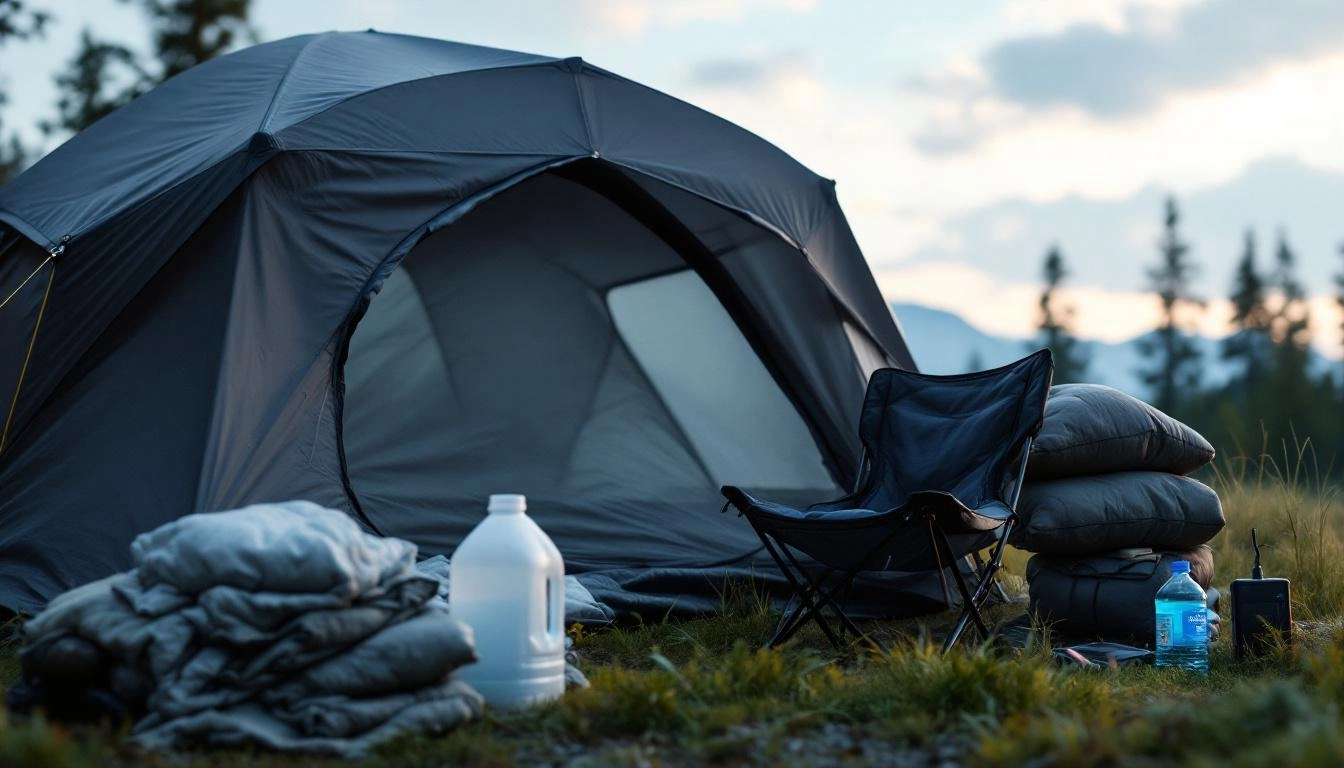
- Comfort: Camp chair, pillow, extra gadgets.
Trim from the comfort tier first. If conditions change suddenly, critical gear keeps you safe. A structured ultralight backpacking essentials list helps clarify what truly belongs in the critical category.
The first-aid and emergency kit mistake
Many beginners shrink their first-aid kit to almost nothing. That backfires quickly with blisters, small cuts, or minor burns. Review basic recommendations from the American Red Cross first aid guidance and pack what’s reasonable for your trip length.
Minimal doesn’t mean careless. It means efficient.
Mistake #2: Ignoring Weather and Site Conditions
The forecast looks clear. You pack light. Then wind sweeps across an exposed campsite and suddenly your tarp setup feels fragile.
Checking terrain, wind exposure, and ground type
Before you leave, study campground photos and terrain notes. Rocky ground may require a thicker sleeping pad. Platforms may limit staking options. Many park websites, including Parks Canada’s camping guidance, outline site expectations and regulations.
If wind exposure looks likely, pack extra guylines or stronger stakes.
Over-relying on forecasts
Pack for temperatures slightly colder than predicted. If rain is even possible, bring reliable rain protection. Weather shifts fast, especially near mountains or lakes.
Mistake #3: Over-Simplifying Shelter and Sleep Systems
New minimalists often downsize shelters too aggressively.
Tarp vs. tent vs. bivy: beginner reality check
Tarps are light but require skill and offer limited bug protection. Bivy sacks are compact but can trap condensation. A lightweight tent adds weight but improves bug control and setup simplicity.
If insects are thick or weather unstable, a beginner-friendly tent often prevents long, damp nights.
Sleep system layering mistakes
If you’re cold, it’s usually from below. Ground insulation matters more than piling blankets on top. Use an appropriate sleeping pad for expected conditions. If the ground feels cold through your pad during a backyard test, upgrade it before the trip and verify it aligns with your broader lightweight camping gear strategy.
Mistake #4: Cutting Too Deep on Food and Water Planning
Food is heavy. Water is heavier. So beginners trim both.
Underestimating calories on active days
Long hikes increase energy needs. Active days burn more than you expect. Bring calorie-dense, easy-to-eat foods. If you’re moving for hours, under-fueling affects judgment.
Water source assumptions
Never assume water is available year-round. Late summer dries small streams. Confirm availability with the park office.
Use proper treatment. Review the CDC’s backcountry water treatment options before your trip. If your primary filter fails, chemical backup tablets weigh very little and can save the day.
Mistake #5: Skipping Safety Basics in the Name of Minimalism
Some of the most serious ultralight camping errors come from relying too heavily on convenience.
Navigation shortcuts (phone-only mindset)
Phones die. Cold drains batteries quickly. Reception fails in valleys. Carry a paper map or offline backup and know how to use it.
Fire rules and local regulations
Fire restrictions change frequently. Check official park pages before departure, such as the National Park Service camping safety guidance. Fines and wildfire risks aren’t worth shaving a few ounces of stove fuel.
Mistake #6: Not Testing Gear Before the Trip
Brand-new gear looks great online. It behaves differently in wind.
At-home and backyard trial runs
Set up your shelter in the yard. Boil water with your stove. Sleep outside one night if possible. If your tarp flaps loudly at 10 p.m., adjust before you’re deep in the park.
Time-to-set-up reality
If setup takes 20–30 minutes at home, expect longer in fading light. Practice makes minimalist setups far less stressful.
Mistake #7: Romanticizing Discomfort Instead of Managing It
The “tough it out” mindset is appealing. It rarely works.
The “tough it out” mindset trap
Poor sleep leads to slower decisions. Hunger affects patience. Small discomforts compound.
Smarter minimalism: comfort per ounce
Upgrade what meaningfully improves warmth, dryness, or sleep quality. A slightly heavier sleeping pad that ensures solid rest is worth more than saving 200 grams.
Checklist
- Rank gear by: safety / shelter / water / food / clothing / comfort.
- Confirm weather forecast and park alerts 48 hours before departure.
- Test shelter and stove at home.
- Verify water availability and treatment method.
- Pack documented emergency essentials.
- Remove unnecessary duplicates—not essentials.
- Write a simple trip plan and share it with someone.
Common Mistakes
- Cutting insulation before cutting luxury gear.
- Assuming water will be available without checking.
- Ignoring campsite surface type.
- Skipping backup navigation.
- Trying new gear for the first time in bad weather.
Frequently Asked Questions
What are the most common mistakes of first-time minimalist camper on a weekend trip?
Over-cutting insulation, under-packing food, relying only on a phone for navigation, and failing to test gear beforehand. Most weekend mistakes come from trimming essentials instead of comfort items.
Are Minimalist camping challenges mostly about gear or mindset?
Both. The gear matters, but judgment matters more. Minimalist camping challenges usually show up when mindset pushes you to prove something rather than prepare appropriately.
How do I know what not to pack for a minimalist camping trip?
After ranking gear by safety and necessity, remove duplicates and luxury items first. If removing something noticeably increases risk, keep it.
Is minimalist camping safe for beginners?
Yes—if you start small. Choose a well-serviced campground, check regulations, and keep your first trip short and close to home.
How can I avoid underpacking without carrying too much weight?
Weigh items individually. Focus on multi-use gear. Keep a minimalist camping gear checklist and refine it after each trip.
Do parks have special rules that affect Minimalist camping challenges?
Yes. Fire bans, wildlife storage regulations, and campsite restrictions all shape what you can safely pack—or leave behind. Always check official guidance before departure.
What’s the biggest comfort mistake beginners regret after their first minimalist trip?
Ignoring sleep quality. A poor sleeping pad or inadequate warmth leads to a rough night, which affects the entire next day.
Conclusion
The mistakes of first-time minimalist camper are rarely dramatic—they’re small decisions that stack up. Minimalism works when it’s thoughtful. Start with short trips close to home. Refine your gear gradually. Review the checklist above before your next outing and adjust based on real experience. When you approach Minimalist camping challenges with preparation instead of pride, you’ll carry less weight—and enjoy the trip more.