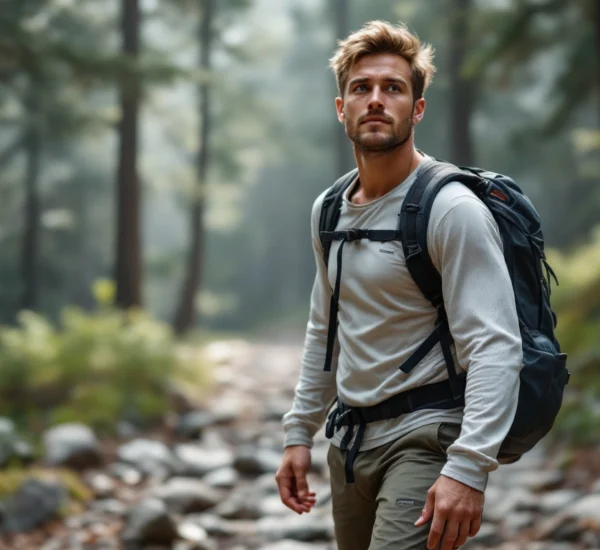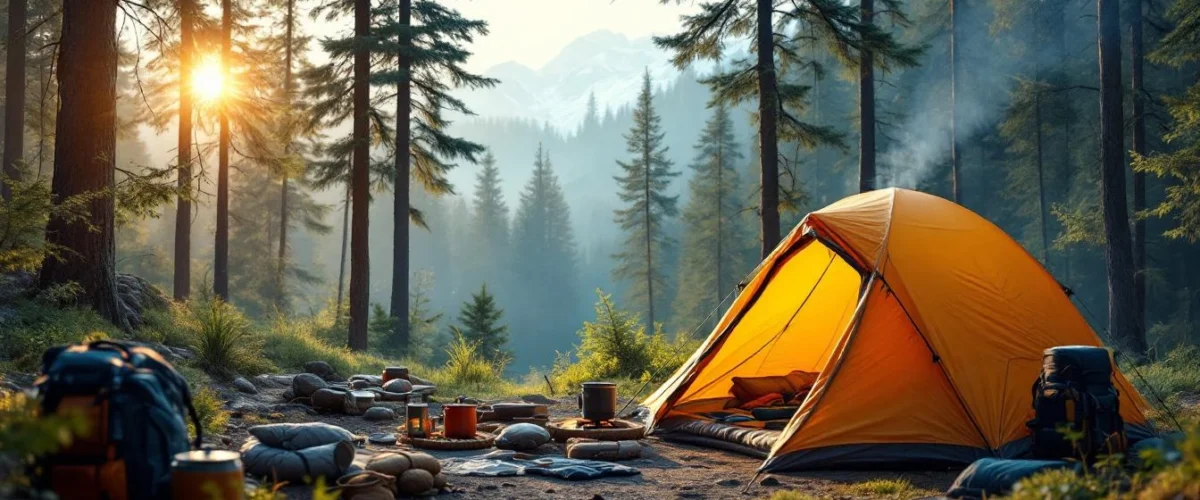
The climb feels different when your pack finally matches the trail. Instead of grinding every step, you settle into a steady rhythm, breathing easier and looking around instead of at your boots. That moment is where most people first understand the real ultralight camping advantages. Ultralight doesn’t mean reckless or uncomfortable—it means choosing what actually earns its place in your pack. In this guide, you’ll learn the 7 benefits hikers notice most once they cut pack weight, along with the trade-offs that matter for safety, comfort, and cost. We’ll keep it practical: how ultralight changes your body on climbs, your camp routine at night, and your decisions when weather or terrain turn serious.
Table of Contents
- Move Faster With Less Fatigue
- Enjoy Longer Days and Bigger Miles
- Reduced Strain on Joints and Body
- Greater Travel Flexibility and Spontaneity
- Simpler Camps and Faster Setup
- Lower Environmental Impact
- Clearer Focus on the Outdoor Experience
Move Faster With Less Fatigue
One of the most immediate benefits of ultralight backpacking shows up on the first long climb of the day. Less weight changes how your body moves and how long you can maintain a comfortable pace.
Why lighter packs change how your body feels on climbs
With a lighter load, your posture naturally straightens. Breathing becomes more rhythmic, and foot placement feels deliberate instead of forced. On steep grades, notice how often you stop when carrying heavier kits versus lighter ones. Fewer “hands on knees” pauses usually follow.
Trade-offs—speed vs. comfort margins
Going lighter can mean thinner shelter fabrics, slimmer sleeping pads, or fewer spare layers. In calm weather, that’s barely noticeable. When wind picks up or temperatures drop, the margin for error shrinks. If a storm builds, moving faster helps—but only if your system still keeps you warm and dry.
How to decide if weight savings matter for your terrain
Rolling forest trails are forgiving. Rugged alpine routes amplify every extra pound. If most of your trips involve elevation gain, unstable footing, or long climbs, weight savings deliver a bigger payoff.
Enjoy Longer Days and Bigger Miles
Lightening your pack doesn’t just help on climbs—it reshapes your entire day, reinforcing the practical appeal of a minimalist camping approach on the trail.
More daylight left at camp
Arriving earlier means time to dry socks, rinse a shirt in a stream, or wander a side trail without rushing. Those quiet evening hours often become the highlight of the trip.
How lighter loads affect pacing and breaks
Pay attention to how often you stop. With a lighter pack, breaks become intentional rather than mandatory. Hydration stops shorten. You move because you want to, not because your shoulders demand it.
Common mistake—planning unrealistic mileages
A lighter pack tempts people to overshoot. The fix is simple: add distance gradually. Use shakedown hikes close to home to learn what sustainable miles feel like before committing to longer routes.
Reduced Strain on Joints and Body
The body notices weight most on descents, where joints absorb constant impact.
Knees, hips, and ankles under load
Downhill with a heavy pack often means shorter steps and guarded movement. With less weight, your stride opens up. Many hikers report fewer end-of-day aches once pack weight drops.
Injury prevention realities
Ultralight helps, but it doesn’t replace conditioning. Strong hips, balanced calves, and stable ankles still matter. Think of reduced weight as lowering the overall stress—not eliminating it.
When ultralight can increase strain
Minimal cushioning footwear on sharp, rocky terrain can fatigue feet faster. If your route is rough, a slightly heavier shoe may be the smarter call.
Greater Travel Flexibility and Spontaneity
Lighter kits make plans more adaptable.
Easier permit routes and campsite choices
Some areas limit campsite density or restrict designated zones. Smaller setups fit more locations with less impact. Always check regulations with local land managers like the National Park Service.
Adapting plans to weather changes
When weather shifts, ultralight systems let you add or subtract a layer without tipping the scale. If storms roll in, prioritize wind protection and insulation over spare clothing.
Transportation perks—planes, buses, and hitching rides
Compact kits fit overhead bins more easily and draw less attention when hopping rides to trailheads.
Simpler Camps and Faster Setup
End-of-day exhaustion is real. Simple systems shine here, especially when rooted in the core principles of ultralight packing.
Less gear, fewer decisions at the end of the day
Time from pack-off to resting shortens. Fewer pieces mean fewer mistakes—especially when light fades or rain starts.
Setup speed in bad conditions
When wind and rain arrive together, fast shelter setup matters. Practice pitching your shelter until you can do it without thinking.
Mistake to avoid—cutting “comfort essentials” too aggressively
Don’t remove items blindly. Keep what supports sleep, warmth, and recovery. Comfort equals consistency over multiple days.
Lower Environmental Impact
Ultralight and ethics often align, but not automatically.
Smaller footprint on trails and campsites
Smaller shelters and limited gear reduce campsite sprawl. This fits squarely with Leave No Trace principles.
Reduced fuel and resource use
Simple cooking systems burn less fuel and encourage careful planning.
Where ultralight can conflict with durability ethics
Fragile gear replaced often can increase waste. Choose well-made items and repair them when possible, a balance emphasized in REI’s outdoor skills resources.
Clearer Focus on the Outdoor Experience
Stripping excess sharpens attention.
Mental benefits of carrying less
With fewer chores, your mind shifts outward. You notice weather patterns, animal tracks, distant peaks.
Building confidence and skill over time
Ultralight rewards planning and practice. Each trip teaches what matters—and what doesn’t.
Who benefits most—and who shouldn’t rush ultralight
Experienced backpackers in moderate climates benefit quickly. Beginners or those heading into extreme weather should transition gradually.
Checklist
- Test all gear locally before committing to remote trips.
- Check forecast ranges, not single-day predictions.
- Confirm calorie density and easy-access snacks.
- On trail: reassess warmth, hydration access, and foot comfort.
- Post-trip: note what felt unnecessary and what felt risky.
Common Mistakes
- Going ultralight without testing gear close to home.
- Cutting safety items without understanding conditions.
- Assuming lighter always means cheaper.
- Copying gear lists that don’t match your climate or skills.
Frequently Asked Questions
What are the biggest ultralight camping advantages for beginners?
Less fatigue, easier mileage, and simpler routines. Beginners should still keep conservative safety margins.
What are the real Benefits of ultralight backpacking compared to traditional backpacking?
The benefits include efficiency, reduced physical strain, and more flexible days—but with narrower comfort margins.
Is ultralight camping safe in cold or wet conditions?
It can be, if insulation, shelter, and weather planning remain priorities.
How lightweight is considered “ultralight,” and does it vary by trip?
Yes. Conditions, duration, and terrain all affect what makes sense.
Does ultralight camping save money in the long run?
Sometimes. Buying fewer items helps, but quality lightweight gear can cost more upfront.
Who should avoid ultralight backpacking at first?
Those new to outdoor travel or heading into extreme conditions should move slowly and build skills first.
Conclusion
The seven benefits outlined here show why so many hikers move steadily toward lighter kits. The advantages of minimalist ultralight camping are real—faster movement, longer days, reduced strain, and a clearer connection to the trail—but they only pay off when matched with experience and judgment. Start small. Swap one item, test it on a low-risk overnight, and build confidence trip by trip. That careful progression is where ultralight truly shines.