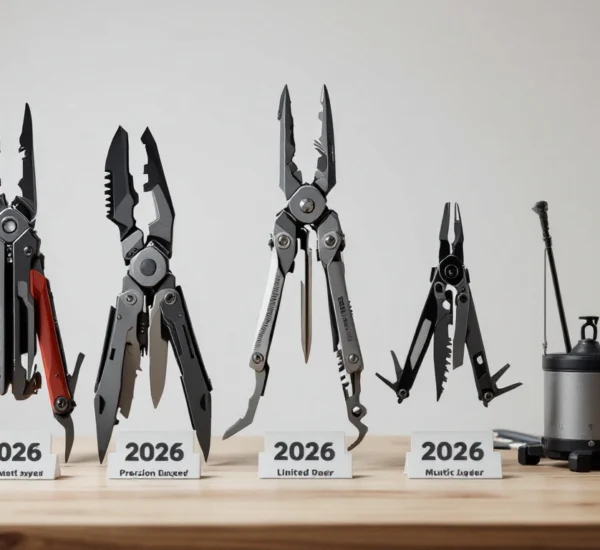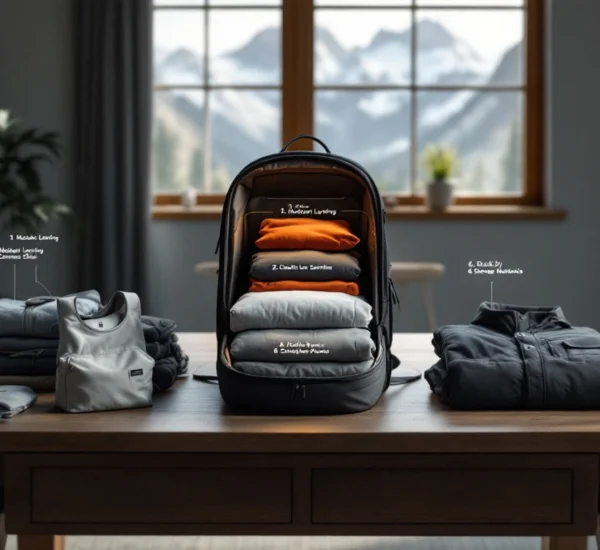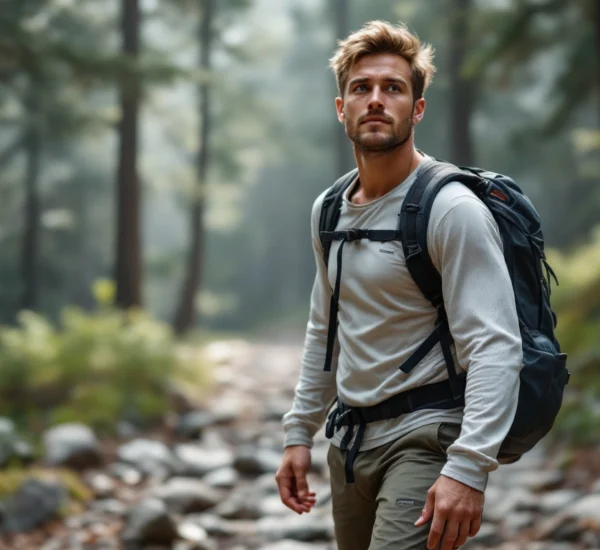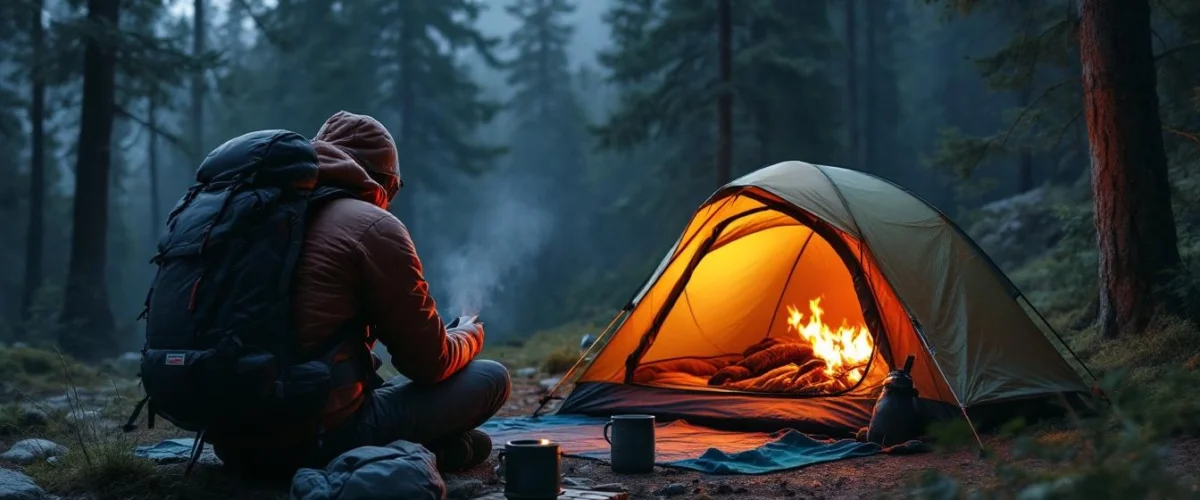
The first mile with a heavy pack tells the truth fast. Shoulders ache, knees complain, and by camp you’re too tired to enjoy the place you worked so hard to reach. That’s where minimalism camping advantages show up in real life—not as online hype, but as quieter steps, clearer decisions, and more energy at the end of the day. The Benefits of ultralight backpacking aren’t about suffering or bragging rights. They’re about choosing what actually earns its weight, understanding trade-offs, and building a kit that supports how you hike. In this guide, you’ll learn why pack weight matters over miles, where ultralight shines (and where it doesn’t), and how to move lighter without cutting safety or comfort.
Table of Contents
- Why minimalism camping advantages start with pack weight
- 7 smart Benefits of ultralight backpacking in real trips
- Gear choices that actually make a difference
- Safety, weather, and leave-no-trace with less gear
- Costs, seasons, and trip types where minimalism shines
- How to transition to minimalist camping without regret
Why minimalism camping advantages start with pack weight
Pack weight doesn’t just affect your pace; it shapes every decision you make on trail. A lighter load changes how far you’re willing to go, how late you hike, and how you feel when plans shift.
What “ultralight” really means (and what it doesn’t)
Ultralight isn’t a contest. It doesn’t require fragile gear or skipping essentials. At its core, it’s about base weight—the gear you carry minus food and water—and how that base supports comfort and safety. Internet lists can push extremes. Ignore those. Your benchmark is this: you arrive at camp with enough energy to cook, stretch, and enjoy the evening.
Energy savings over miles, not minutes
You’ll feel the difference by day two or three. Less weight means less joint stress and faster recovery overnight. A simple check at camp: if you still want to wander to a viewpoint or adjust plans for tomorrow, your kit is working.
Decision rule: if it doesn’t earn its weight, it doesn’t go
Before packing, pick up each item and ask, “When will I use this?” If the answer is vague, leave it behind. If weather turns wet, rain protection earns its place. If bugs are forecast, a headnet earns its place. Everything else has to justify the carry.
7 smart Benefits of ultralight backpacking in real trips
- Comfort through simplicity. Fewer items mean fewer chores at camp. Setup is quick, breakdown is faster, and you spend less time hunting for gear. The trade-off: you may miss a luxury item. Choose the one you value most.
- Longer days, shorter recovery. Lighter loads are easier on knees and ankles. Mornings feel less stiff, which matters on multi-day routes.
- Flexibility when plans change. Weather detours and bonus miles become options instead of stressors. Moving faster gives you more choices.
- Mental clarity at camp. With fewer systems to manage, decision fatigue drops. Shelter goes up, dinner starts, and you relax.
- Access to lighter-duty campsites. Smaller footprints fit more places—but always confirm site rules before assuming what’s allowed.
- Better food planning, less waste. Ultralight pushes calorie density. You pack what you’ll eat, not “just in case” extras.
- Improved safety margins. Speed equals options—when storms build, being able to move efficiently can matter. The line: never cut insulation or storm protection below forecasted needs.
Gear choices that actually make a difference
Big three first: pack, shelter, sleep system
Start here. A lighter pack carries better with less gear inside. Match your shelter and sleep system to expected night lows and bug pressure. If nights flirt with freezing, don’t gamble—choose insulation that lets you sleep.
Clothing systems over backups
Think in layers. One insulating piece, one shell, one base. Avoid duplicates. Test combinations at home; if two items serve the same purpose, pick the better one.
Kitchen minimalism
No-cook meals work in warm seasons. In colder weather, a simple stove can be worth its weight for hot calories. Season matters.
Mistakes and fixes
Common slip: cutting rain protection too far. Fix it with a lightweight shell that lives in the top pocket. You’ll use it.
Safety, weather, and leave-no-trace with less gear
Weather realism
Check official forecasts before you go and again at trailhead if possible. Mountain weather stacks variables; plan margins accordingly. The national weather forecast tools are a solid baseline, and local ranger guidance adds context.
Navigation and comms
Carry primary navigation and one backup. Phone maps plus a paper map work without overpacking. For remote trips, review backcountry safety guidance from the National Park Service backcountry resources.
Leave No Trace with minimal kits
Minimal doesn’t mean skipping ethics. You still need proper waste management and campsite discipline. Revisit the Leave No Trace principles before assuming lighter equals lower impact.
Costs, seasons, and trip types where minimalism shines
Budget pathways
Skills save money. Learning to plan food, manage layers, and pitch shelter well reduces the need for expensive gear. Lighten technique before buying replacements.
Best seasons and terrains
Summer and early shoulder seasons are forgiving. In volatile spring or late fall conditions, keep extra insulation and storm protection. Check land rules through the U.S. Forest Service know-before-you-go guidance.
Who should wait
Brand-new backpackers in severe weather, or family groups with shared gear needs, should learn fundamentals first. Minimalism comes after confidence.
How to transition to minimalist camping without regret
Shakedown hikes and backyard nights
Test gear close to home. If something fails, the fix is easy. Keep notes.
One-change-at-a-time rule
Change one major item per trip. That isolates problems and builds trust in your setup.
Post-trip review
After each trip, ask what you didn’t use and what you wished for. That list guides the next refinement.
Checklist
- Pre-trip weight audit (base vs. consumables)
- Weather verification from official forecasts
- Redundancy check for safety-critical items only
- Food calorie density confirmed
- Shakedown completed
Common Mistakes
- Going ultralight before learning local weather patterns
- Cutting insulation too aggressively
- Copying gear lists without terrain or season context
- Skipping practice nights
Frequently Asked Questions
What are the biggest minimalism camping advantages for beginners?
Less fatigue, fewer decisions at camp, and quicker recovery between days—so you can focus on learning skills rather than managing gear.
Do the Benefits of ultralight backpacking outweigh comfort losses?
Often, yes—if you keep sleep and weather protection solid. Comfort shifts from “stuff” to efficiency and rest.
Is minimalist camping safe in unpredictable weather?
It can be, if you size your insulation and shelter to forecasts and keep margins. When forecasts worsen, add weight back in.
How light is “too light” for first-time backpackers?
If you’re anxious about basic needs—warmth, rain, navigation—you’ve gone too far. Confidence matters more than numbers.
Can minimalism camping advantages save money over time?
Yes. Planning skills reduce impulse gear buys, and you replace fewer items once your system is dialed.
What trips are worst for ultralight approaches?
Severe winter routes, highly unpredictable weather windows, or trips requiring specialized safety gear.
Conclusion
When done well, the real payoff of minimalism camping advantages is freedom—freedom to move, adapt, and enjoy the places you travel through. Keep the trade-offs clear, test changes close to home, and let experience—not trends—set your limits. Plan one shakedown trip this month, change a single piece of your kit, and see how it affects the way you hike.