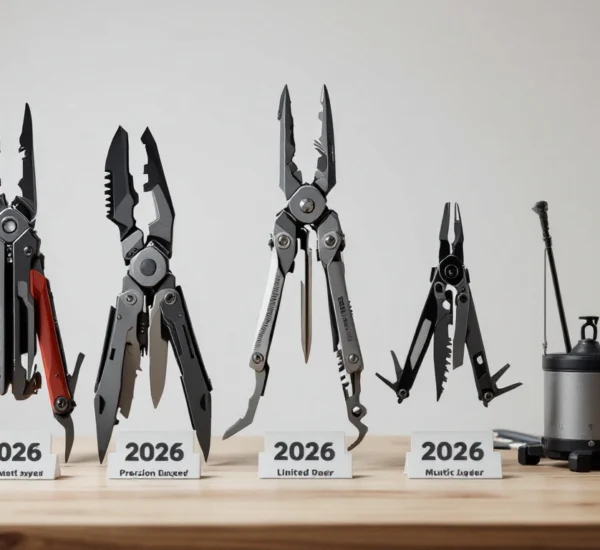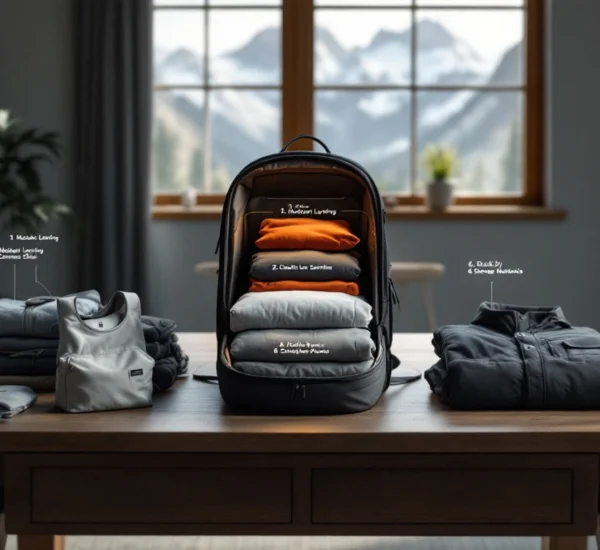
Your hips ache by day two. Shoulder straps feel like cords cutting circulation. Miles slow down, not because the trail is hard, but because your pack is. If that sounds familiar, you’ve probably wondered why go ultralight backpacking instead of just toughing it out. This guide breaks it down without hype. You’ll see the real Benefits of ultralight backpacking—how lighter systems actually change fatigue, injury risk, daily mileage, and decision-making on the trail. You’ll also see the trade‑offs: comfort choices, cost questions, and when ultralight is the wrong call. By the end, you’ll know whether ultralight fits your body, your terrain, and your 2026 trips—and how to test it without blowing up your whole kit.
Table of Contents
- Move Farther With Less Fatigue
- Reduced Injury Risk and Faster Recovery
- More Miles or More Joy: Your Choice
- Simpler Systems Mean Fewer Failures
- Adapt Faster to Weather and Terrain
- The Real Costs and Savings of Ultralight
- Less Weight, Lower Impact on Trails
Move Farther With Less Fatigue: why go ultralight backpacking
Weight shows up everywhere—on climbs, during creek crossings, and at camp when you still have chores to do. Cutting pack weight doesn’t magically remove effort, but it changes how that effort feels hour after hour.
What weight reduction actually changes on-trail
Compare a 10‑mile day to a 20‑mile day with a lighter load. The first still feels like hiking. The second doesn’t turn into a grind halfway through. Your stride stays cleaner on climbs, and you’re less tempted to stop just to rest your shoulders.
When lighter weight matters most
Long days, sustained elevation gain, and heat stack the deck in favor of ultralight. If your route has repeated climbs or you’re pushing sun‑up to sun‑down, dropping pounds pays off fast.
Trade-off check
You may give up redundancy or thick padding. That’s fine on familiar terrain with stable forecasts. It’s risky if you rely on comfort to manage pain or you expect unpredictable weather.
Reduced Injury Risk and Faster Recovery
Lighter packs don’t make you invincible, but they reduce cumulative strain—the kind that flares knees on day three or lights up hot spots that never quite heal.
Joint, foot, and shoulder strain realities
Pay attention after back‑to‑back days. Are your knees stiff on the first mile? Are shoulder nerves tingling? Less weight reduces compressive load and repetitive stress, especially on descents.
Recovery between trips
Ask a simple question after you get home: how soon could you hike again? Faster recovery is one of the quiet benefits most hikers notice once they go lighter.
Safety note
Lighter doesn’t mean careless. Footwear, pacing, and nutrition still matter. If your feet are unhappy, fix that first.
More Miles or More Joy: Your Choice
Ultralight isn’t about chasing mileage records. It’s about options. When you’re not hauling excess, you decide how the day unfolds.
Mileage flexibility
Some days you stop early because the lake looks inviting. Other days you push a few extra miles to catch sunset on a ridge. You’re choosing, not reacting.
Mental load reduction
Fewer items means fewer decisions. Packing up is faster. Finding gear is easier. Small frictions disappear.
Who this benefits most
Solo hikers, aging backpackers, and anyone squeezing trips into tight schedules tend to feel the payoff quickly.
Simpler Systems Mean Fewer Failures
Ultralight works best as a system, not a pile of expensive parts.
Gear systems vs gear piles
Think fewer buckles, straps, and “just in case” items. One shelter, one insulation strategy, one cooking approach. When something breaks, there’s less cascading failure.
Common ultralight system mistakes
Cutting insulation too far is the classic error. Cold nights sap energy and judgment. Weight saved at the expense of warmth comes back to bite.
Fixes
Keep warmth and rain protection robust. Trim luxury items last.
Adapt Faster to Weather and Terrain
Speed isn’t the goal, but efficiency buys you choices when the sky turns or the trail gets messy.
Faster travel = more weather options
If afternoon storms are likely, moving efficiently lets you clear exposed sections earlier. That margin matters.
Terrain adaptability
On rock, mud, and steep switchbacks, lighter packs improve balance. Missteps hurt less and recoveries are quicker.
Decision check
Shoulder seasons and remote routes demand caution. If forecasts are uncertain and bailout options are few, keep a margin.
The Real Costs and Savings of Ultralight
Ultralight doesn’t have to mean reckless spending.
Upfront gear cost vs long-term value
Some materials cost more upfront. Spread purchases over time and prioritize items that reduce the most weight without compromising safety for better long-term value from going lighter.
Budget-friendly transitions
Start by reducing pack and shelter weight. Don’t replace everything at once. A shakedown trip will tell you what actually needs changing.
Mistakes to avoid
Buying light gear without testing fit or durability leads to regret.
Less Weight, Lower Impact on Trails
Lighter packs don’t excuse bad behavior, but they can support better movement.
Footfall and erosion considerations
With less stumbling, steps are more controlled. That matters on soft soils.
Leave No Trace alignment
Smaller kits often mean smaller camps. Follow established guidance on minimizing impact, as outlined by Leave No Trace principles.
Reality check
Weight is one factor. Campsite choice and travel habits matter just as much.
Checklist
- Base weight calculated and written down.
- Multi-use items identified.
- Weather range confirmed for the route.
- Bailout points planned despite lighter kit.
- One shakedown trip completed before a long trek.
Common Mistakes
- Chasing the lightest number instead of balanced comfort.
- Skipping testing and heading straight into multi-day trips.
- Underestimating insulation or rain protection.
- Copying someone else’s kit without matching conditions.
Frequently Asked Questions
Why go ultralight backpacking instead of traditional backpacking?
Because it increases options. You recover faster, manage longer days more comfortably, and make clearer decisions when conditions change.
What are the Benefits of ultralight backpacking for beginners?
Beginners often enjoy fewer aches and quicker learning. Start conservatively, keep safety margins, and build confidence through testing.
How light is “ultralight” in real-world terms?
Focus on reducing base weight meaningfully rather than hitting a label. Comfort and safety come first.
Is ultralight backpacking safe for remote or alpine routes?
It can be, with experience and conservative choices. Know the route, weather patterns, and exit options. The National Park Service backpacking guidance is a solid baseline.
Does ultralight backpacking actually save money long-term?
Often yes, when purchases are deliberate. Fewer items and less replacement can balance initial costs.
Can you go ultralight without replacing all your gear?
Absolutely. Start with pack contents, not new purchases. The REI ultralight backpacking primer offers practical starting points.
What trips are not ideal for ultralight setups?
Trips with extreme cold, uncertain weather, or limited bailouts may warrant sturdier systems.
Conclusion
Ultralight backpacking isn’t a badge—it’s a tool. The standout benefits show up as less fatigue, quicker recovery, and better choices when the trail throws surprises your way. If you’ve been asking why go ultralight backpacking, don’t overhaul everything at once. Audit your current pack, cut one obvious excess, and take it on a short trip. Let your body and your judgment decide the next step.