Planning your first camping trip often feels overwhelming—too many gear options, conflicting advice, and the fear of forgetting something important. This minimalist camping guide for beginners offers a clear, practical path forward. Instead of juggling dozens of items, you’ll learn how to camp comfortably with just the essentials. This approach aligns with the growing interest in Minimalist camping for beginners, especially as more people look for low-cost, low-stress outdoor experiences in 2026. Below, you’ll find seven easy tips covering essentials, meals, campsite choices, packing, safety, routines, and skill-building so your first trip feels simple, safe, and enjoyable.
Table of Contents
- Why Minimalist Camping Matters
- Tip 1 – Start With Only the Essential Gear
- Tip 2 – Plan Simple Meals
- Tip 3 – Choose Easy, Minimal-Setup Campsites
- Tip 4 – Pack Light and Smart
- Tip 5 – Prioritize Safety in a Minimalist Setup
- Tip 6 – Keep Your Camp Routine Streamlined
- Tip 7 – Build Skills First, Add Gear Later
- Checklist
- Common Mistakes
- FAQs
- Conclusion + CTA
- SEO Optimizations
- Authoritative Sources
Why Minimalist Camping Matters
Minimalist camping is rising fast among new campers who want a simple, budget-friendly way to get outside. It reduces decision fatigue, prevents overpacking, and keeps your focus on the experience—not the gear. This section explains why starting small helps you learn faster and stay safer.
Benefits for first-time campers
Less gear means fewer things to forget, manage, or break. Costs stay low, setup becomes quicker, and you can practice core skills without relying on complex equipment. Many beginners report feeling more relaxed when their camp setup fits in one backpack or trunk.
How Minimalist camping for beginners improves safety and focus
By carrying only essentials, you learn to check weather, terrain, and navigation basics instead of depending on gear solutions. This develops practical outdoor judgment—which is more important than owning advanced equipment.
Where the minimalist camping guide for beginners fits in 2026 trends
In 2026, many parks encourage low-impact camping and simpler setups. Lightweight materials have improved, making beginner-friendly minimalist kits easier and more affordable. Pair this approach with Leave No Trace principles for responsible travel. See guidance from Leave No Trace.
For more intro basics, see [Internal Link: Camping basics 101].
Tip 1 – Start With Only the Essential Gear
This tip is your foundation: the right few items carry you farther than a trunk full of gear you don’t know how to use.
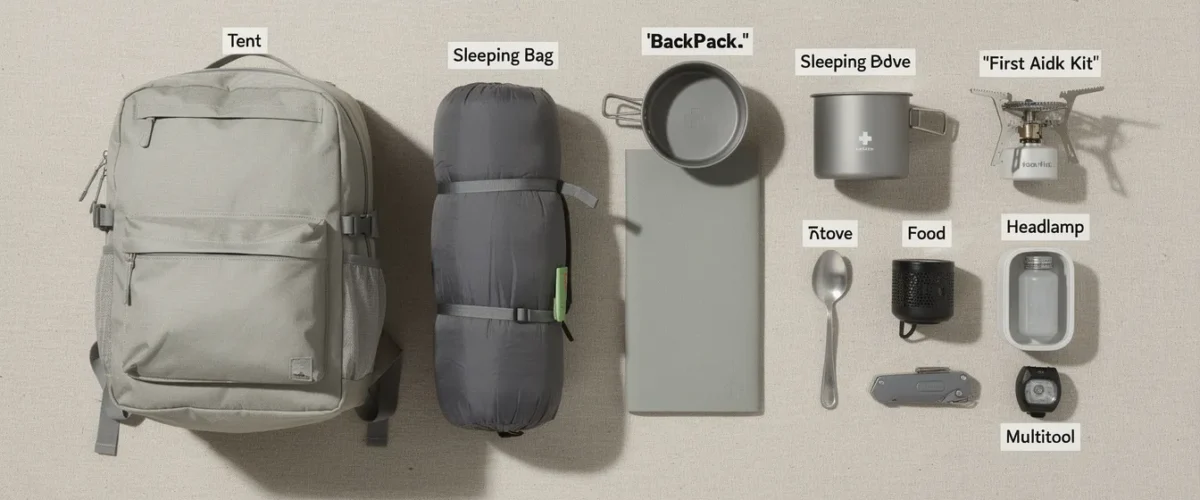
The 10-item beginner-friendly essentials list
Start with:
- Lightweight tent or bivy
- Sleeping bag rated for expected temperature
- Sleeping pad
- Headlamp
- Water bottle and purification method
- Simple cook system (small stove + lighter)
- Trail snacks and easy meals
- Weather-appropriate clothing
- Navigation basics (map or offline app)
- Small first-aid kit
Budget tips and gear you can skip as a beginner
Avoid camp furniture, multiple pots, heavy lanterns, and duplicate layers. Borrow or rent items whenever possible to test what you actually like before buying.
Lightweight options for 2026
New ultralight tents and compact stoves are more affordable this year. Beginners can confidently choose budget-friendly lightweight options without sacrificing performance. Explore detailed recommendations at REI’s gear guides.
Tip 2 – Plan Simple Meals
Food shouldn’t stress you out. Simple is safer, easier, and more predictable—exactly what beginners need.
2–3 ingredient meals for new campers
Consider oats with fruit, tortillas with peanut butter, or instant rice with vegetable packets. These meals cook quickly and require minimal fuel.
Minimal cookware setup
One small pot, one spoon, and a mug usually cover everything. Avoid multi-pan kits until you’ve camped a few times.
Food storage and safety rules
Store food in sealed containers, use bear lockers where required, and avoid leaving crumbs around your site. Learn more through [Internal Link: Camp cooking basics].
Tip 3 – Choose Easy, Minimal-Setup Campsites
Where you camp matters more than what you bring. Beginner-friendly sites reduce the need for gear and keep you safe.
What makes a site beginner-friendly
Look for flat ground, access to water, nearby restrooms, and clear rules. These features dramatically simplify your trip.
Drive-in vs. walk-in sites in 2026
Drive-in sites are best for beginners. Walk-in sites are fine too—just choose ones under 5 minutes from the parking area.
Local regulations and reservation tips
Reserve ahead during peak seasons and always review park-specific rules. A reliable source is Parks Canada.
Tip 4 – Pack Light and Smart
Packing light is not about deprivation—it’s about feeling free and moving efficiently.
How to avoid overpacking traps
Lay out your gear, remove duplicates, and do a short backyard test. If you didn’t use something, don’t take it unless it’s safety-related.
Tested 2026 packing template for beginners
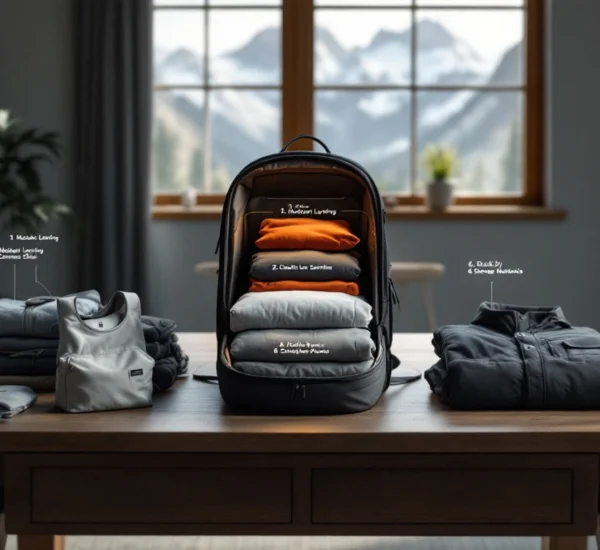
Prioritize: sleep system → clothing → food → water → safety → personal items. This ensures you don’t forget essentials.
Organizing gear for quick setup
Use small stuff sacks to separate sleep, cook, and clothing items. This makes camp setup faster and reduces nighttime fumbling. See [Internal Link: Packing lists].
Tip 5 – Prioritize Safety in a Minimalist Setup
Minimalist camping works only when you keep a strong safety foundation.
Weather, wildlife, and navigation basics
Check forecasts daily, understand regional wildlife, and avoid relying solely on GPS apps. Bring a map or offline backup.
Safety gear you should never skip
Always pack a first-aid kit, headlamp, emergency blanket, and water purification. These weigh little but matter a lot.
Emergency planning for first-timers
Share your itinerary with someone at home and stick to established trails. Review guidance from NPS safety resources.
Tip 6 – Keep Your Camp Routine Streamlined
A simple routine saves energy and reduces mistakes at camp.
Simple tents, simple workflows
Practice pitching your tent at home. Choose a model with minimal poles and stable design.
Morning/evening routines for minimal fuss
- Morning: pack sleeping gear, boil water, check weather
- Evening: set up tent before dark, prepare water, secure food
Quick cleanup habits
Wipe cookware immediately, pack trash in sealed bags, and scan for stray items before leaving. See [Internal Link: Campsite setup guide].
Tip 7 – Build Skills First, Add Gear Later
Skills make your trips safer and more enjoyable than expensive gear ever will.
Skills that matter most for beginners
Focus on navigation, knot-tying, camp setup, and basic weather reading. These form a strong foundation.
Which gear to upgrade once you gain confidence
Upgrade your sleeping bag, backpack, and shelter first. Those improvements boost comfort without complicating your setup.
When going more minimalist becomes unsafe
If you’re facing unpredictable weather, high elevations, or remote terrain, rely on proven, durable gear. Skill alone isn’t enough in riskier environments. Consider training programs from Outward Bound.
Checklist
- Pack only essentials (10 items)
- Keep meals simple
- Choose beginner-friendly campsites
- Include key safety gear
- Use lightweight organization
- Focus on skills first
- Confirm weather, reservations, and local regulations
Common Mistakes
- Overpacking heavy gear
- Choosing complex campsites
- Not testing gear at home first
- Poor food storage
- Ignoring weather forecasts
Frequently Asked Questions
What is the best minimalist camping guide for beginners approach in 2026?
The best approach focuses on essentials, simple meals, safe campsite choices, and practical skills over gear accumulation.
How does Minimalist camping for beginners differ from regular camping?
Minimalist camping requires fewer items, emphasizes skill-building, and aims for low-impact, low-cost trips.
What gear do first-time minimalist campers actually need?
Start with a tent, sleep system, headlamp, basic stove, water purification, simple food, weather clothing, navigation tools, and a small first-aid kit.
Are minimalist campsites safe for beginners?
Yes—if you choose established drive-in or short walk-in sites and follow local safety rules.
How much should beginners budget for a minimalist camping trip?
Most beginners spend between $150–$300 when renting or buying only essentials.
Can families use minimalist camping methods?
Absolutely. The approach works for families as long as safety gear and weather-appropriate clothing are included.
What mistakes do new minimalist campers make most?
Overpacking, skipping safety gear, choosing the wrong campsite, and not practicing with equipment beforehand.
Conclusion
Starting simple helps you stay safe, save money, and enjoy the outdoors with confidence. These seven tips give you a clear foundation for camping without overwhelm. As you build skills, you can adjust your setup and explore more advanced terrain at your own pace. If you found this minimalist camping guide for beginners helpful, explore our internal guides, download packing templates, or start planning your first minimalist trip today.
SEO Optimizations
This article includes the focus and primary keywords naturally, follows Rank Math’s guidelines, provides internal and external links, and offers practical safety-focused advice for strong E-E-A-T alignment.