Table of Contents
- Why Ultralight Matters in 2026
- Core Ultralight Camping Principles
- Essential Gear for Your 2026 Ultralight Camping Checklist
- 10 Smart Ultralight Camping Tips for 2026
- Weight-Saving Strategies for Different Seasons
- Trail Safety & Environmental Considerations
- Checklist
- Common Mistakes
- Frequently Asked Questions
- Conclusion
Why Ultralight Matters in 2026
The shift toward lighter, more efficient gear has accelerated in 2026, making it easier than ever to reduce your load without sacrificing safety. But ultralight is about more than trimming grams; it’s about improving your experience through better energy use, smarter choices, and gear that does more with less.
Market shifts and lighter 2026 gear trends
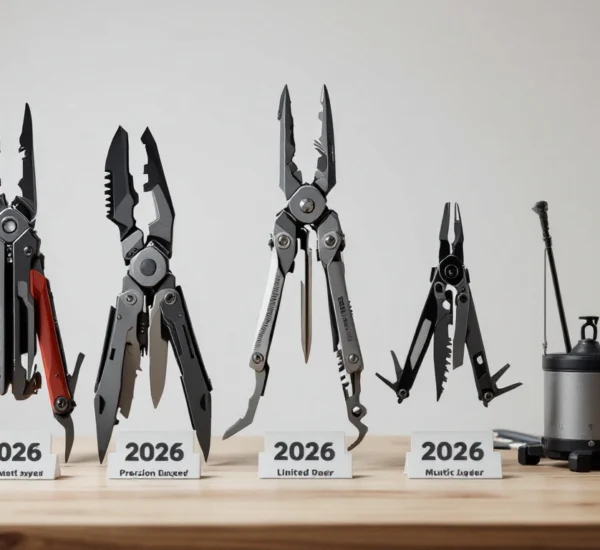
Manufacturers have sharpened their focus on advanced fabrics, stronger stitching, and multifunctional components. From high-tenacity trekking-pole shelters to improved synthetic-insulation quilts, 2026 models often cut 10–20% of last year’s weight.
How weight affects daily mileage and energy
Every pound saved compounds quickly over long days. A lighter pack means smoother ascents, steadier pacing, and less joint fatigue — especially helpful on multi-day routes. Reducing base weight is one of the simplest ways to increase comfort without training harder.
When going ultralight is not the right choice
There are limits. Harsh winter conditions, remote backcountry, or high-wind regions may require more robust shelter, insulation, and navigation gear. Cutting weight should never compromise safety.
Beginner camping basics guide | NPS backcountry safety guidelines
Core Ultralight Camping Principles
Before choosing gear, understanding core ultralight principles helps you pack intentionally — not minimally.
The “Big Three” (shelter, sleep system, pack) explained
These items make up most of your base weight. Reducing them has the biggest payoff. Many hikers now aim for a combined weight of 6–9 pounds using lightweight packs, quilts, and trekking-pole shelters.
Single-use vs multi-use gear strategy
Items that serve multiple functions — like a poncho that doubles as a shelter door or a pot that functions as a bowl — save space and weight.
Understanding base weight vs total weight
Base weight includes everything except consumables. It’s the best benchmark for comparing setups and improving efficiency year after year.
Essential Gear for Your 2026 Ultralight Camping Checklist
Here’s how to build a reliable, trail-tested kit using the latest 2026 upgrades.
Shelter upgrades: trekking-pole tents and tarps
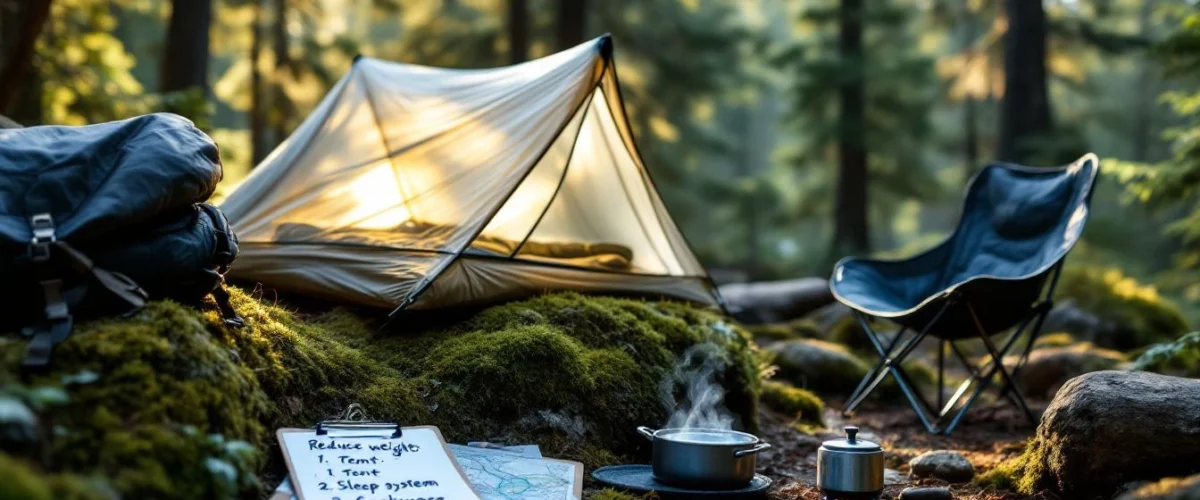
Modern trekking-pole shelters weigh under two pounds while maintaining weather resistance. Tarps offer even lighter alternatives for experienced hikers in mild conditions.
Sleep system optimization: quilts, pads, R-values
Quilts save weight by removing unnecessary underside insulation. Pair them with an R-value-appropriate pad for your expected nighttime lows to stay warm without overpacking.
Trail nutrition: calorie density and packing efficiency
For 2026, dehydrated meals improved in calorie density, giving you more energy per ounce. Nut butters, bars, and couscous remain excellent weight-to-calorie options.
Lightweight tents comparison guide | REI gear education center
10 Smart Ultralight Camping Tips for 2026
These Ultralight camping tips use updated best practices and real-world field testing.
Tip 1–3: Cutting base weight with 2026 gear innovations
Adopt lighter shelter materials, choose frameless or hybrid packs, and upgrade to ultralight titanium cookware where appropriate. These are the biggest weight savers for most hikers.
Tip 4–6: Clothing layers that reduce bulk
Use high-efficiency synthetic layers that dry fast and compress smaller. Carry only essential items: base layer, insulation, shell, socks, and one camp layer.
Tip 7–10: Organization, packing method, and field repairs
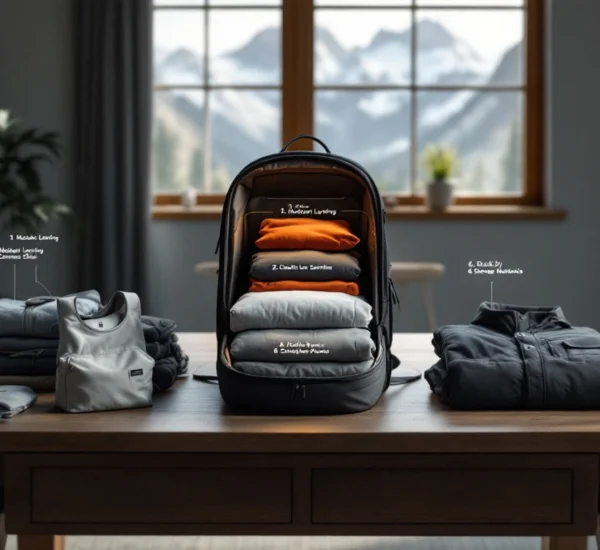
Pack items in logical zones (sleep, clothing, food) and use small repair essentials like tape strips, cord, and a patch kit. Organized packing reduces the likelihood of carrying redundant gear.
Gear maintenance and repair guide
Weight-Saving Strategies for Different Seasons
Seasonal adjustments ensure you save weight without risking comfort or safety.
Summer essentials vs dispensable items
Hot weather lets you drop heavy insulation and some cooking gear if you rely on stoveless meals.
Shoulder-season safety gear you shouldn’t drop
Colder nights demand stronger insulation, windproof layers, and a higher R-value pad.
Winter ultralight reality check
Extremely cold environments require robust insulation, reliable heat sources, and extra navigation tools. Ultralight is possible but should be approached cautiously.
Parks Canada seasonal backcountry guidance
Trail Safety & Environmental Considerations
Staying safe and protecting the landscape matters as much as reducing pack weight.
Navigation backups: maps and offline apps
Carry at least one non-digital backup like a printed map in case of battery failure or signal loss.
Wildlife protocols and food storage
Use odor-proof bags or appropriate canisters in bear country to protect yourself and local wildlife.
Leave No Trace for ultralight travelers
Traveling lighter doesn’t mean compromising your environmental impact. Pack out all waste, follow trail rules, and minimize fire use.
Leave No Trace principles for hikers
Checklist
- Shelter: trekking-pole tent or tarp, stakes, groundsheet
- Sleep system: quilt, pad (R-value appropriate), pillow option
- Pack: 35–45L ultralight pack (1–2 lbs)
- Clothing: base layer, insulation, shell, hiking socks, camp socks
- Water: filter or tablets, 1–2 soft bottles
- Food: 2,500–3,500 calories/day, high-density snacks
- Cooking: small stove (optional), pot, lighter, windscreen
- Safety: first aid, navigation tools, repair kit
- Seasonal add-ons: extra insulation, microspikes, sun protection
Common Mistakes
- Choosing low-cost gear over durable, trail-proven options
- Underestimating weather and packing too little insulation
- Carrying redundant items “just in case”
- Skipping the pre-trip gear test
- Removing essential safety gear to save weight
Frequently Asked Questions
What should an ultralight camping checklist include for a 2026 trip?
A balanced ultralight camping checklist includes shelter, sleep system, pack, clothing layers, water treatment, lightweight food, a compact first-aid kit, and reliable navigation tools. Seasonal conditions may require extra gear.
What are the best Ultralight camping tips for beginners?
Focus on the Big Three, reduce duplicates, and test your gear before the trip. Start with modest weight goals and refine your setup across several outings.
How much should an ultralight base weight be in 2026?
Most hikers aim for a 10–12 lb base weight. Experienced ultralight backpackers often reach 7–9 lbs safely.
Do I need a stove for ultralight camping?
No. Many hikers go stoveless using cold-soak meals, but cold climates or long-mileage trips may still benefit from hot food.
Is ultralight camping safe for multi-day mountain routes?
Yes — as long as you maintain proper insulation, navigation backups, and weather-resistant shelter.
What 2026 gear upgrades offer the biggest weight savings?
Trekking-pole shelters, lighter hybrid-frame packs, modern quilts, and improved titanium cookware provide the best returns.
How do I balance ultralight packing with bad-weather safety?
Choose gear that performs reliably in your expected conditions and don’t cut critical layers or navigation tools.
Conclusion
Building a smart, 2026-ready ultralight camping checklist helps you hike farther, stay safer, and travel with a lighter footprint. Focus on upgrading your Big Three, choose multifunctional items, and follow the 10 smart tips outlined here to reduce weight without sacrificing comfort. With a thoughtful approach and real-world testing, you can refine your setup into a reliable, minimalist system that performs well across seasons. Use this ultralight camping checklist as your starting point, and explore our related gear guides to keep improving your setup all year.